|
시장보고서
상품코드
1930531
보조동력장치(APU) 시장(2026-2036년)Global Auxiliary Power Unit Market 2026-2036 |
||||||

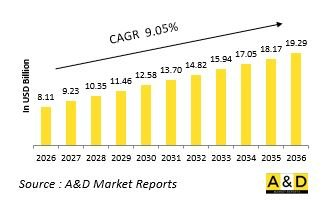
세계의 보조동력장치(APU) 시장 규모는 2026년에 추정 81억 1,000만 달러이며, 2036년까지 192억 9,000만 달러에 달할 것으로 예측되며, 2026-2036년 예측 기간 동안 CAGR로 9.05%의 성장이 전망됩니다.
소개
보조동력장치(APU)는 주 엔진이 정지 중이거나 제한된 출력으로 작동할 때 중요한 시스템에 독립적인 기내 전력을 공급함으로써 현대 항공우주 및 방위 플랫폼에서 매우 중요한 역할을 하고 있습니다. 이러한 시스템은 군용 항공기, 헬리콥터, 장갑차, 해군 함정, 특정 무인 플랫폼에 필수적이며, 항공전자, 환경 제어 시스템, 작전용 전자 장비, 통신 시스템의 안정적인 작동을 가능하게 합니다. 방위 플랫폼의 복잡성이 증가함에 따라, 특히 지상 작전, 대기 작전, 전진 배치 중 작전 준비 태세를 실현하는 수단으로서 보조동력장치(APU)의 중요성이 커지고 있습니다. 군대는 외부 전원에 대한 의존도를 줄이고 가혹한 환경에서의 자율성을 향상시키기 위해 이러한 시스템에 대한 의존도가 점점 더 높아지고 있습니다. 현대의 국방 전략은 신속한 전개와 지속적 작전을 중시하고 있으며, 소형의 효율적이고 신뢰할 수 있는 보조 동력 솔루션에 대한 필요성이 더욱 커지고 있습니다. 플랫폼이 더 많은 전자 센서 기반 시스템을 통합함에 따라 보조동력장치(APU)는 작전의 안정성과 생존성에 필수적인 요소로 자리 잡고 있습니다. 그 역할은 단순한 편의성을 넘어 육-공-해상의 영역에서의 작전 효율성과 작전 유연성에 직접적인 영향을 미치는 중요한 기능을 뒷받침하고 있습니다.
보조동력장치(APU)에 미치는 기술의 영향
기술의 발전은 효율성, 신뢰성, 환경 성능에 대한 기대치가 높아짐에 따라 보조동력장치(APU)를 재구성하고 있습니다. 터빈 설계와 에너지 변환 효율의 혁신을 통해 안정적인 출력을 유지하면서 연료 소비를 줄였습니다. 재료 공학의 발전으로 보조동력장치(APU)는 더 높은 온도 환경에서 작동할 수 있고, 내구성이 향상되었으며, 유지보수 요구사항이 감소했습니다. 디지털 제어 시스템을 통해 보다 정밀한 전력 관리, 실시간 모니터링, 예지보전이 가능해져 운영 가용성이 향상되었습니다. 특히 민감한 환경이나 은밀한 환경에서 운영되는 플랫폼에서는 소음 저감 기술과 우수한 배기 처리 시스템의 중요성이 더욱 커지고 있습니다. 전동화 추세는 보조동력장치(APU) 개발에도 영향을 미치고 있으며, 차세대 플랫폼을 지원하는 하이브리드 및 전기 보조 구성이 등장하고 있습니다. 컴팩트한 디자인 접근 방식은 시스템 무게와 공간 요구 사항을 줄이고 전체 플랫폼의 효율성을 향상시키는 데 기여합니다. 플랫폼 건강관리 시스템과의 통합을 통해 보조동력장치(APU)와 주 시스템 간의 연계가 강화되어 라이프사이클 성능이 향상됩니다. 이러한 기술 개발로 보조동력장치(APU)는 국방 플랫폼의 운영 효율성과 지속가능성에 중요한 기여를 하는 존재가 되었습니다.
보조동력장치(APU)의 주요 촉진요인
첨단 보조동력장치(APU)에 대한 수요는 여러 가지 운영 및 전략적 요인에 의해 촉진되고 있습니다. 전자기기를 많이 사용하는 작전 시스템에 대한 의존도가 높아지면서 안정적인 독립 전력 공급이 요구되고 있습니다. 군대는 후방 지원의 부하 경감을 우선시하고 있으며, 오지 및 전선 지역에서의 작전 시 발전 기능 탑재가 필수적입니다. 항공기 및 지상 시스템의 플랫폼 현대화 프로그램은 효율성 향상과 수명주기 비용 절감을 위한 업그레이드된 보조 동력 솔루션의 기회를 창출하고 있습니다. 작전 간 소요시간 단축의 필요성은 신뢰할 수 있는 보조 동력 시스템의 중요성을 더욱 강조하고 있습니다. 환경과 규제에 대한 고려도 개발의 우선순위를 형성하고 있으며, 배출량 감소와 음향 특성 감소를 촉진하고 있습니다. 무인 운영이 가능한 플랫폼의 성장은 소형 자율 발전 솔루션에 대한 수요를 증가시키고 있습니다. 또한, 군대는 작전적 탄력성을 강화하기 위해 플랫폼의 독립성과 작전 연속성을 강화하는 시스템에 대한 투자를 추진하고 있습니다. 이러한 촉진요인으로 인해 방위 산업 전반에 걸쳐 보조동력장치(APU)의 지속적인 중요성이 보장됩니다.
세계의 보조동력장치(APU) 시장에 대해 조사 분석했으며, 시장에 영향을 미치는 기술, 향후 10년간의 예측, 지역별 동향 등의 정보를 전해드립니다.
목차
보조동력장치(APU) 시장 정의
보조동력장치(APU) 시장 세분화
지역별
항공기 유형별
항공기 사이즈별
10년간 시장 전망
보조동력장치(APU) 시장 기술
세계의 보조동력장치(APU) 시장 예측
지역 시장 동향과 예측
북미
촉진요인, 억제요인, 과제
PEST
시장 예측과 시나리오 분석
주요 기업
공급업체 Tier 상황
기업 벤치마크
유럽
중동
아시아태평양
남미
국가 분석
미국
방위 프로그램
최신 뉴스
특허
이 시장의 현재 기술 성숙도
시장 예측과 시나리오 분석
캐나다
이탈리아
프랑스
독일
네덜란드
벨기에
스페인
스웨덴
그리스
호주
남아프리카공화국
인도
중국
러시아
한국
일본
말레이시아
싱가포르
브라질
기회 매트릭스
전문가의 의견
결론
Aviation and Defense Market Reports에 대해
KSM 26.02.24The Global Auxiliary Power Unit market is estimated at USD 8.11 billion in 2026, projected to grow to USD 19.29 billion by 2036 at a Compound Annual Growth Rate (CAGR) of 9.05% over the forecast period 2026-2036.
Introduction
Auxiliary power units play a vital role in modern aerospace and defense platforms by providing independent onboard power for critical systems when primary engines are inactive or operating under limited capacity. These systems are essential across military aircraft, helicopters, armored vehicles, naval vessels, and certain unmanned platforms, enabling reliable operation of avionics, environmental controls, mission electronics, and communication systems. The growing complexity of defense platforms has elevated the importance of auxiliary power units as enablers of operational readiness, particularly during ground operations, standby missions, and forward deployments. Armed forces increasingly rely on these systems to reduce dependency on external power sources and improve autonomy in austere environments. Modern defense strategies emphasize rapid deployment and sustained operations, which further reinforces the need for compact, efficient, and highly reliable auxiliary power solutions. As platforms incorporate more electronic and sensor-based systems, auxiliary power units are becoming integral to mission assurance and survivability. Their role extends beyond convenience, supporting critical functions that directly impact mission effectiveness and operational flexibility across land, air, and sea domains.
Technology Impact in Auxiliary Power Units
Technological advancements are reshaping auxiliary power units to meet rising efficiency, reliability, and environmental performance expectations. Innovations in turbine design and energy conversion efficiency have reduced fuel consumption while maintaining consistent power output. Advances in materials engineering allow auxiliary power units to operate at higher temperatures with improved durability and reduced maintenance requirements. Digital control systems enable more precise power management, real-time monitoring, and predictive maintenance, enhancing operational availability. Noise reduction technologies and improved exhaust treatment systems are increasingly important, particularly for platforms operating in sensitive or covert environments. Electrification trends are also influencing auxiliary power unit development, with hybrid and electric-assisted configurations emerging to support next-generation platforms. Compact design approaches help reduce system weight and space requirements, contributing to overall platform efficiency. Integration with platform health management systems allows better coordination between auxiliary power units and primary systems, improving lifecycle performance. These technological developments position auxiliary power units as critical contributors to operational efficiency and sustainability in defense platforms.
Key Drivers in Auxiliary Power Units
The demand for advanced auxiliary power units is driven by multiple operational and strategic factors. Increasing reliance on electronically intensive mission systems requires consistent and independent power availability. Military forces prioritize reduced logistical footprints, making onboard power generation essential for operations in remote or forward areas. Platform modernization programs across aviation and ground systems are creating opportunities for upgraded auxiliary power solutions that offer improved efficiency and lower lifecycle costs. The need for rapid turnaround times between missions further emphasizes the importance of reliable auxiliary power systems. Environmental and regulatory considerations are also shaping development priorities, encouraging lower emissions and reduced acoustic signatures. Growth in unmanned and optionally manned platforms increases demand for compact and autonomous power generation solutions. Additionally, armed forces seek greater operational resilience, driving investment in systems that enhance platform independence and mission continuity. Together, these drivers ensure sustained relevance for auxiliary power units across defense applications.
Regional Trends in Auxiliary Power Units
Regional defense priorities influence the development and deployment of auxiliary power units worldwide. North America emphasizes advanced digital control and efficiency improvements aligned with next-generation aircraft programs. European defense organizations focus on environmentally responsible designs and interoperability across multinational platforms. Asia-Pacific countries prioritize auxiliary power units that support expanding air fleets and diverse operating environments. Middle Eastern forces emphasize durability and thermal resilience to support operations in extreme climates. African defense modernization efforts focus on reliability and ease of maintenance to ensure sustained operational readiness. Across regions, there is a growing emphasis on local assembly, maintenance capabilities, and technology partnerships to strengthen supply chain security. These regional trends reflect how auxiliary power unit development aligns with broader defense modernization and operational strategies.
Key Defense Auxiliary Power Unit Program:
In September 2025, RTX's Pratt & Whitney partnered with Czech manufacturer PBS Group to develop next-generation auxiliary power units for military and commercial aircraft. The collaboration focuses on enhanced performance, fuel efficiency, and reduced emissions for future aviation platforms. Separately, Pratt & Whitney secured a 15-year maintenance agreement with Singapore Airlines for APS5000 APU fleet support, ensuring optimal operational readiness through customized servicing solutions. These contracts reflect growing defense and commercial aviation demand for advanced, reliable power generation systems during ground operations and emergency scenarios.
Table of Contents
Auxiliary Power Unit Market - Table of Contents
Auxiliary Power Unit Market Definition
Auxiliary Power Unit Market Segmentation
By Region
By Aircraft Type
By Aircraft Size
10 Year Market Outlook
The 10-year market outlook would give a detailed overview of changing dynamics, technology adoption overviews and the overall market attractiveness is covered in this chapter.
Auxiliary Power Unit Market Technologies
This segment covers the top 10 technologies that is expected to impact this market and the possible implications these technologies would have on the overall market.
Global Auxiliary Power Unit Market Forecast
The 10-year market forecast of this market is covered in detailed across the segments which are mentioned above.
Regional Market Trends & Forecast
The regional market trends, drivers, restraints and Challenges of this market, the Political, Economic, Social and Technology aspects are covered in this segment. The market forecast and scenario analysis across regions are also covered in detailed in this segment. The last part of the regional analysis includes profiling of the key companies, supplier landscape and company benchmarking.
North America
Drivers, Restraints and Challenges
PEST
Market Forecast & Scenario Analysis
Key Companies
Supplier Tier Landscape
Company Benchmarking
Europe
Middle East
APAC
South America
Country Analysis
This chapter deals with the key defense programs in this market, it also covers the latest news and patents which have been filed in this market. Country level 10 year market forecast and scenario analysis are also covered in this chapter.
US
Defense Programs
Latest News
Patents
Current levels of technology maturation in this market
Market Forecast & Scenario Analysis
Canada
Italy
France
Germany
Netherlands
Belgium
Spain
Sweden
Greece
Australia
South Africa
India
China
Russia
South Korea
Japan
Malaysia
Singapore
Brazil
Opportunity Matrix
The opportunity matrix helps the readers understand the high opportunity segments in this market.
Expert Opinions
Hear from our experts their opinion of the possible outlook for this market.