

|
시장보고서
상품코드
2030192
방위용 멀티로터 드론 시장(2026-2036년)Global Defense Multirotor Drone Market 2026-2036 |
||||||

세계의 방위용 멀티로터 드론 시장
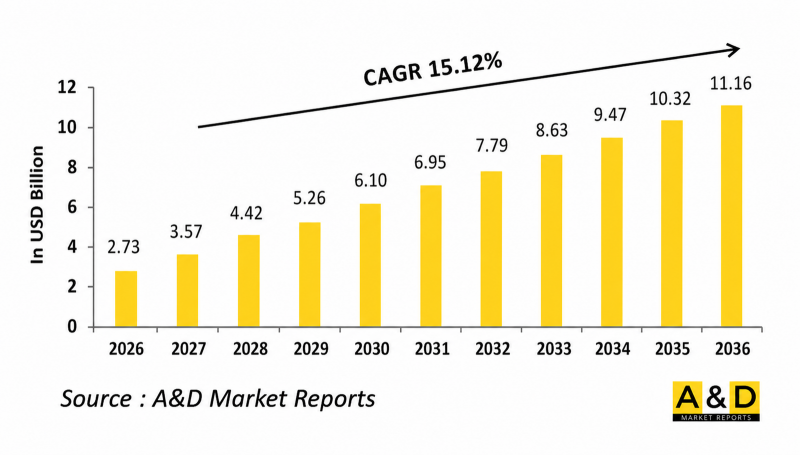
세계의 방위용 멀티로터 드론 시장 규모는 2026년에 27억 3,000만 달러로 추계되고 있으며, 2026-2036년의 예측 기간에 CAGR 15.12%로 성장하며, 2036년에는 111억 6,000만 달러에 달할 것으로 전망되고 있습니다.
1. 소개
세계의 국방용 멀티로터 드론 시장은 무인항공시스템(UAS) 분야 중 빠르게 진화하고 있는 분야로, 수직 이착륙과 기동성을 위해 여러 개의 로터를 사용하는 드론이 특징입니다. 이러한 드론은 기동성과 협소하고 복잡한 환경에서의 운용 능력으로 인해 정보 수집, 감시, 정찰, 전술 작전에 널리 활용되고 있습니다. 특히 단거리 임무, 시가전 시나리오, 실시간 상황 파악에서 높은 평가를 받고 있습니다. 안정적인 호버링과 정밀한 이동이 가능한 설계로 군사 작전의 감시, 목표물 포착, 지원 임무에 적합합니다.
국방 전략에서 무인 시스템 채택이 확대됨에 따라 기존 유인 플랫폼에 대한 비용 효율적이고 유연한 대안으로 멀티로터 드론에 대한 수요가 가속화되고 있습니다. 전 세계 방위 기관은 임무의 효율성을 높이고 인원에 대한 위험을 줄이기 위해 이러한 드론을 작전 체계에 점점 더 많이 통합하고 있습니다. 기술의 발전과 함께 멀티로터 드론은 더 높은 성능과 자율성을 갖추고 있으며, 현대 전쟁 전략에 없어서는 안 될 필수 요소로 자리 잡고 있습니다.
2. 글로벌 국방용 멀티로터 드론 시장에서 기술의 영향력
기술의 발전으로 국방 분야에서 멀티로터 드론의 능력이 크게 향상되고 있습니다. AI와 머신러닝을 통해 자율항법, 장애물 회피, 실시간 의사결정이 가능해져 인간 운전자에 대한 의존도가 낮아지고 있습니다. 또한 고해상도 카메라, 열화상 카메라, 레이더 시스템 등 첨단 센서의 통합으로 감시 및 정찰 능력이 향상되었습니다.
배터리 기술과 추진 시스템의 개선으로 비행 지속 시간과 적재 능력이 향상되고, 드론은 더 높은 수준의 장비를 탑재할 수 있게 되었습니다. 보안 데이터 링크, 위성통신 등의 통신 기술을 통해 실시간 데이터 전송과 여러 플랫폼에 걸친 연계 작전이 가능해졌습니다. 군집 제어 기술도 새로운 혁신 중 하나이며, 여러 대의 드론이 협력하여 복잡한 임무 목표를 달성할 수 있습니다.
또한 스텔스 설계와 소재의 발전으로 적대적인 환경에서의 생존성이 향상되고 있습니다. 이러한 기술 발전으로 멀티로터 드론은 단순한 정찰 툴에서 효율성과 정확성을 높이고 다양한 방어 작전을 지원할 수 있는 다기능 자산으로 변모하고 있습니다.
3. 글로벌 국방용 멀티로터 드론 시장의 주요 추진 요인
국방용 멀티로터 드론 시장의 성장은 현대 군사 작전에서 무인 시스템의 채택이 확대됨에 따라 주도되고 있습니다. 주요 촉진요인 중 하나는 상황 인식 능력 강화에 대한 니즈입니다. 드론은 인력을 위험에 빠뜨리지 않고 실시간 정보를 제공합니다. 도시 지역이나 험한 지형을 포함한 열악한 환경에서도 운용할 수 있는 능력은 전술적 임무에서 매우 높은 가치를 제공합니다.
국방 예산의 증가와 첨단 군사 기술에 대한 투자도 시장 확대에 기여하고 있습니다. 각국 정부는 국방력 강화를 위해 무인 시스템 개발 및 조달에 우선순위를 두고 있습니다. 기존 유인항공기에 비해 멀티로터 드론의 비용 효율성이 높다는 점도 그 보급을 더욱 부추기고 있습니다.
또 다른 주요 촉진요인은 운영 효율을 높이고 사람의 개입을 줄이는 자율 및 반자율 시스템에 대한 수요가 증가하고 있다는 점입니다. 센서, 통신 시스템, 데이터 분석의 기술 발전으로 드론의 성능이 향상되고 그 용도가 확대되고 있습니다. 또한 네트워크 중심의 전쟁 전략에 드론이 통합됨에 따라 드론은 협동 군사 작전에서 점점 더 중요해지고 있습니다. 이러한 요인들이 복합적으로 작용하여 국방용 멀티로터 드론 시장의 지속적인 성장을 촉진하고 있습니다.
4. 세계 방산용 멀티로터 드론 시장의 지역별 동향
국방용 멀티로터 드론 시장의 지역별 동향은 기술 발전 정도, 국방비, 전략적 우선순위의 차이를 반영합니다. 북미는 연구개발에 대한 적극적인 투자, 첨단 국방 인프라, 무인 시스템의 광범위한 도입으로 시장을 선도하고 있습니다. 이 지역에서는 드론을 복잡한 군사 작전에 통합하고 자율 능력을 강화하는 데 지속적으로 초점을 맞추고 있습니다.
유럽도 중요한 기여자이며, 각국은 국방 시스템 현대화와 감시 및 국경 보안에 드론의 활용 확대에 중점을 두고 있습니다. 공동 방위 구상과 기술 혁신이 이 지역의 시장 성장을 지원하고 있습니다.
아시아태평양에서는 국방비 증가, 지역 안보 우려, 국산 드론 제조에 대한 관심 증가를 배경으로 급속한 확대가 이루어지고 있습니다. 이 지역 국가들은 군사력을 강화하기 위해 드론 기술에 적극적으로 투자하고 있습니다.
중동에서는 특히 분쟁이 발생하기 쉬운 지역에서 감시 및 치안 유지 활동을 위해 멀티로터형 드론이 도입되고 있습니다. 라틴아메리카와 아프리카에서는 국경 감시와 국내 치안에 중점을 두고 점차 도입이 확대되고 있습니다. 각 지역의 동향은 국방 분야에서 무인화 및 자율화로의 전환이 전 세계에서 진행되고 있음을 보여줍니다.
세계의 국방용 멀티로터 드론(Multi-Rotor Drone) 시장을 조사했으며, 주요 동향, 시장 영향요인, 주요 기술 및 그 영향력, 주요 지역 및 국가별 동향, 시장 기회 분석 등의 정보를 전해드립니다.
목차
국방용 멀티로터 드론 시장 : 목차
국방용 멀티로터 드론 시장 : 보고서의 정의
국방용 멀티로터 드론 시장 : 세분화
국방용 멀티로터 드론 시장 : 향후 10년간의 분석
국방용 멀티로터 드론 시장 : 세계 시장 전망
방산용 멀티로터 드론 시장 : 지역별 동향 및 전망
시장 예측 및 시나리오 분석
방산용 멀티로터 드론 시장 : 국가별 분석
시장 예측 및 시나리오 분석
국방용 멀티로터 드론 시장 : 기회 매트릭스
결론
KSA 26.05.21Global Defense Multirotor Drone Market
The Global Defense Multirotor Drone Market is estimated at USD 2.73 billion in 2026, projected to grow to USD 11.16 billion by 2036 at a Compound Annual Growth Rate (CAGR) of 15.12% over the forecast period 2026-2036.
1. Introduction
The Global Defense Multirotor Drone Market is a rapidly evolving segment within the broader unmanned aerial systems landscape, characterized by drones that utilize multiple rotors for vertical takeoff, landing, and maneuverability. These drones are widely used for intelligence, surveillance, reconnaissance, and tactical operations due to their agility and ability to operate in confined or complex environments. Multirotor drones are particularly valued for short-range missions, urban warfare scenarios, and real-time situational awareness. Their design allows stable hovering and precise movement, making them suitable for monitoring, target acquisition, and support roles in military operations.
The growing adoption of unmanned systems in defense strategies has accelerated demand for multirotor drones, as they offer cost-effective and flexible alternatives to traditional manned platforms. Defense forces worldwide are increasingly integrating these drones into their operational frameworks to enhance mission efficiency and reduce risk to personnel. As technology continues to advance, multirotor drones are becoming more capable, autonomous, and integral to modern warfare strategies.
2. Technology Impact in Global Defense Multirotor Drone Market
Technological advancements are significantly enhancing the capabilities of multirotor drones in defense applications. Artificial intelligence and machine learning enable autonomous navigation, obstacle avoidance, and real-time decision-making, reducing reliance on human operators. Advanced sensor integration, including high-resolution cameras, thermal imaging, and radar systems, improves surveillance and reconnaissance capabilities.
Improvements in battery technology and propulsion systems are extending flight endurance and payload capacity, allowing drones to carry more sophisticated equipment. Communication technologies, such as secure data links and satellite connectivity, enable real-time data transmission and coordinated operations across multiple platforms. Swarm technology is another emerging innovation, where multiple drones operate collaboratively to achieve complex mission objectives.
Additionally, advancements in stealth design and materials are enhancing survivability in contested environments. These technological developments are transforming multirotor drones from simple reconnaissance tools into multifunctional assets capable of supporting a wide range of defense operations with increased efficiency and precision.
3. Key Drivers in Global Defense Multirotor Drone Market
The growth of the defense multirotor drone market is driven by the increasing adoption of unmanned systems in modern military operations. One of the primary drivers is the need for enhanced situational awareness, as drones provide real-time intelligence without exposing personnel to risk. Their ability to operate in challenging environments, including urban areas and difficult terrains, makes them highly valuable for tactical missions.
Rising defense budgets and investments in advanced military technologies are also contributing to market expansion. Governments are prioritizing the development and procurement of unmanned systems to strengthen their defense capabilities. The cost-effectiveness of multirotor drones compared to traditional manned aircraft further supports their widespread adoption.
Another key driver is the growing demand for autonomous and semi-autonomous systems, which improve operational efficiency and reduce human intervention. Technological advancements in sensors, communication systems, and data analytics are enhancing drone performance and expanding their applications. Additionally, the integration of drones into network-centric warfare strategies is increasing their importance in coordinated military operations. These factors collectively drive sustained growth in the defense multirotor drone market.
4. Regional Trends in Global Defense Multirotor Drone Market
Regional trends in the defense multirotor drone market reflect varying levels of technological advancement, defense spending, and strategic priorities. North America leads the market due to strong investments in research and development, advanced defense infrastructure, and widespread adoption of unmanned systems. The region continues to focus on integrating drones into complex military operations and enhancing autonomous capabilities.
Europe is also a significant contributor, with countries emphasizing modernization of defense systems and increased use of drones for surveillance and border security. Collaborative defense initiatives and technological innovation are supporting market growth in the region.
The Asia-Pacific region is experiencing rapid expansion driven by rising defense expenditures, regional security concerns, and growing emphasis on indigenous drone manufacturing. Countries in this region are actively investing in drone technologies to strengthen their military capabilities.
The Middle East is adopting multirotor drones for surveillance and security operations, particularly in conflict-prone areas. Latin America and Africa are gradually increasing adoption, focusing on border monitoring and internal security. Overall, regional trends highlight a global shift toward unmanned and autonomous defense solutions.
5. Key Programs in Global Defense Multirotor Drone Market
Key programs in the defense multirotor drone market focus on enhancing operational capabilities, autonomy, and integration with broader defense systems. Military organizations are investing in drone procurement programs aimed at strengthening surveillance, reconnaissance, and tactical response capabilities. These programs often involve the deployment of drones equipped with advanced sensors, communication systems, and real-time data processing capabilities.
Research and development initiatives are a major component, focusing on improving autonomy, endurance, and payload capacity. Programs centered on swarm technology are gaining traction, enabling coordinated operations among multiple drones for complex missions. Additionally, defense agencies are investing in counter-drone technologies to address emerging threats from adversarial unmanned systems.
Integration programs are also critical, ensuring seamless communication between drones and other military assets such as ground forces, command centers, and manned aircraft. Training and simulation programs are being developed to enhance operator proficiency and mission effectiveness.
Public-private partnerships play a key role in accelerating innovation, with defense organizations collaborating with technology companies and startups. These programs collectively aim to create more advanced, reliable, and versatile multirotor drone systems that can meet the evolving demands of modern warfare.
Table of Contents
Defense Multirotor Drone Market - Table of Contents
Defense Multirotor Drone Market Report Definition
Defense Multirotor Drone Market Segmentation
By Region
By Application
By Range
Defense Multirotor Drone Market Analysis for next 10 Years
The 10-year Defense Multirotor Drone Market analysis would give a detailed overview of Defense Multirotor Drone Market growth, changing dynamics, technology adoption overviews and the overall market attractiveness is covered in this chapter.
Market Technologies of Defense Multirotor Drone Market
This segment covers the top 10 technologies that is expected to impact this market and the possible implications these technologies would have on the overall market.
Global Defense Multirotor Drone Market Forecast
The 10-year Defense Multirotor Drone Market forecast of this market is covered in detailed across the segments which are mentioned above.
Regional Defense Multirotor Drone Market Trends & Forecast
The regional Defense Multirotor Drone Market trends, drivers, restraints and Challenges of this market, the Political, Economic, Social and Technology aspects are covered in this segment. The market forecast and scenario analysis across regions are also covered in detailed in this segment. The last part of the regional analysis includes profiling of the key companies, supplier landscape and company benchmarking. The current market size is estimated based on the normal scenario.
North America
Drivers, Restraints and Challenges
PEST
Market Forecast & Scenario Analysis
Key Companies
Supplier Tier Landscape
Company Benchmarking
Europe
Middle East
APAC
South America
Country Analysis of Defense Multirotor Drone Market
This chapter deals with the key defense programs in this market, it also covers the latest news and patents which have been filed in this market. Country level 10 year market forecast and scenario analysis are also covered in this chapter.
US
Defense Programs
Latest News
Patents
Current levels of technology maturation in this market
Market Forecast & Scenario Analysis
Canada
Italy
France
Germany
Netherlands
Belgium
Spain
Sweden
Greece
Australia
South Africa
India
China
Russia
South Korea
Japan
Malaysia
Singapore
Brazil
Opportunity Matrix for Defense Multirotor Drone Market
The opportunity matrix helps the readers understand the high opportunity segments in this market.
Expert Opinions on Defense Multirotor Drone Market Report
Hear from our experts their opinion of the possible analysis for this market.
Conclusions
About Aviation and Defense Market Reports


