|
시장보고서
상품코드
2019016
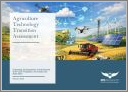
농업기술 전환 평가 : 진전, 성과 및 전망 평가(2010-2020년 및 2020-2030년)Agriculture Technology Transition Assessment: Evaluating Developments, Achievements, and Future Prospects, 2010-2020 and 2020-2030 |
||||||
 BIS Research
2020-2025년의 농업기술을 평가하고, 2026-2035년의 동향을 예측하고 있습니다. 작물 생산, 축산, 수산양식, 임업에서 진보를 다루고 있습니다. 또한 정밀농업, 스마트 축산 관리, AI를 활용한 솔루션이라는 기술이, 농업 실천을 어떻게 변혁하고 있는지에 관한 인사이트를 제공합니다.
시장 개요
농업 기술 전환 평가 시장은 정밀농업, 스마트 축산 관리 및 지속가능한 관행의 발전에 힘입어 지난 10년간 급속한 성장과 혁신을 이루었습니다. AI, IoT, 자동화 등의 기술은 작물 생산 방식, 가축 관리 방식, 양식 사업 운영 방식에 혁명을 일으키고 있습니다. 이러한 변화는 생산성을 향상시켰을 뿐만 아니라, 자원 활용을 최적화하고 폐기물을 줄이며 효율성을 개선함으로써 환경적 지속가능성을 촉진하고 있습니다. 기후 변화, 자원 고갈, 노동력 부족과 같은 도전과제를 안고 있지만, 세계 식량 수요는 계속 증가하고 있으며, 농업 기술 부문은 이러한 문제를 해결하는 데 있으며, 매우 중요한 역할을 할 수 있는 위치에 있습니다. 작물 유전학, 지속가능한 사료 솔루션, 첨단 농업 장비와 같은 분야에 많은 투자가 이루어지면서 이 분야는 지속적으로 확대되고 변화하고 있으며, 혁신과 성장을 위한 풍부한 기회를 제공하고 있습니다.
산업에 미치는 영향
농업에 기술의 도입은 작물 생산, 축산 관리, 양식업, 임업에 혁명을 가져왔습니다. 작물 생산에 있으며, 정밀농업 툴은 수확량을 향상시키고 투입물 낭비를 줄입니다. 축산 관리에서는 자동 모니터링 시스템을 활용하여 가축의 건강 상태와 생산성을 향상시키고 있습니다. 양식업에서는 첨단 센서와 데이터 분석을 활용하여 효율적인 먹이 공급과 수질 관리가 이루어지고 있습니다. 임업에서는 원격 감지 및 GIS 기술을 통해 작업을 최적화하고 지속가능한 산림 관리를 촉진하고 있습니다. 이러한 발전은 모든 분야에서 생산성 향상, 자원 효율성 개선, 환경적 지속가능성을 실현하고 있습니다. 기술 도입은 전 세계 식량 수요를 충족시키고 기후 변화와 자원 고갈과 같은 문제를 해결하기 위해 필수적입니다.
시장이 해결해야 할 과제
농업 기술 분야는 첨단 솔루션의 보급을 가로막는 몇 가지 장벽에 직면해 있습니다. 주요 과제로는 자율주행 농기계, AI 구동 시스템, 정밀 센서 등 첨단 기술에 따른 높은 초기 비용으로 인해 소규모 농가의 도입이 어려운 점을 들 수 있습니다. 또한 많은 농촌 지역에서는 인터넷 연결의 제한, 불안정한 전력 공급 등 적절한 인프라가 갖추어져 있지 않아 디지털 툴의 효과적인 도입을 방해하고 있습니다. 또한 많은 농가가 첨단 시스템을 운영할 수 있는 기술적 전문 지식과 훈련이 부족해 지식 격차도 큽니다. 또한 대규모 상업용 농장을 위해 개발된 기술이 반드시 소규모 농업 경영에 적합한 것은 아니기 때문에 확장성 문제도 발생합니다. 또한 데이터 프라이버시에 대한 우려와 플랫폼 간 표준화 부족으로 인해 IoT와 AI를 활용한 솔루션 도입에 소극적인 태도를 보이고 있습니다. 이러한 문제를 극복하기 위해서는 전략적 투자, 정책적 지원, 그리고 모든 농가가 농업 기술의 혜택을 누릴 수 있도록 개별 상황에 맞는 교육 프로그램이 필요합니다.
미래에 미치는 영향
농업 기술 전환 평가 보고서에 따르면 디지털 농업, AI 통합 및 지속가능성의 급속한 발전에 힘입어 2026-2035년까지 농업 기술 시장의 미래는 유망할 것으로 보입니다. 정밀농업, 자율주행 농기계, IoT 센서 등의 기술은 계속 진화하여 농가가 자원 활용을 최적화하고, 생산성을 향상시키며, 환경에 미치는 영향을 줄일 수 있도록 할 것입니다. 농업 기술 이전 평가 시장은 디지털 인프라 개선과 정부 인센티브가 이러한 기술 도입을 촉진하는 신흥 지역에서 괄목할 만한 성장이 예상됩니다. 또한 AI를 활용한 작물 모니터링 솔루션, 가축용 스마트 사료 공급 시스템, 양식용 수질 센서 등이 농업 경영에 필수적인 요소로 자리 잡아 의사결정의 효율성과 농장 관리 전반의 강화로 이어집니다. 지속가능성이 최우선 과제이며, 기후변화에 대응하는 농업, 바이오 기반 제품, 대체 단백질에 대한 수요가 증가할 것입니다. 농업 종사자들이 기술에 정통한 역할로 전환함에 따라 업계에서는 도입을 지원하기 위한 디지털 리터러시 및 교육 프로그램도 늘어날 것입니다.
이 보고서는 조직에 어떤 가치를 제공하는가?
제품 및 혁신 전략: 농업 기술의 제품 및 혁신 전략은 혁신 중심의 효율성, 지속가능성, 확장성 등 세 가지 핵심 요소에 초점을 맞춰야 합니다. 이 전략은 다양한 농업 부문의 구체적인 요구 사항을 충족하는 솔루션 개발에 우선순위를 두고, 모든 규모의 농가가 적응할 수 있고, 비용 효율적이며, 쉽게 이용할 수 있는 솔루션을 개발해야 합니다. 이를 통해 기술 주도의 지속가능성을 향한 농업의 변화를 형성하는 방법과 혁신에 대한 귀중한 인사이트를 얻을 수 있습니다. 농업 기술 전환에 대한 철저한 평가를 통해 이해관계자들은 스마트 농업 솔루션 도입에 따른 도전과 기회를 평가할 수 있습니다. 이러한 평가를 통해 정책 입안자, 농업 기업 및 농가는 자원을 효율적으로 사용하고, 배출량을 줄이고, 작물 수확량을 향상시키는 기술로의 전환이 환경, 경제 및 운영에 미치는 영향을 이해할 수 있게 됩니다.
성장 및 마케팅 전략: 농업 기술 이전 평가를 위한 성장 및 마케팅 전략은 농업 부문의 진화하는 요구에 부응하기 위해 인지도 향상, 도입 촉진 및 솔루션 확대에 초점을 맞춰야 합니다. 이 전략은 적절한 시장 세분화를 목표로 하고, 파트너십을 활용하고, 데이터베이스 마케팅을 활용하여 소규모 농가와 대규모 농업 기업 모두에게 강력한 가치 제안을 창출하는 데 뿌리를 두어야 합니다. 첨단 농업 기술로의 전환은 주요 기업이 제품 혁신, 시장 확대, 전략적 제휴를 위한 지침으로 평가를 활용하면서 이 부문의 발전을 가져왔습니다. 기업은 지속가능성 목표 달성, 효율성 향상, 규제 준수를 지원하기 위해 기술 통합에 대한 철저한 평가를 점점 더 많이 수행하고 있습니다. 기술 제공업체 및 연구기관과의 파트너십, 협업, 합작투자를 통해 기업은 정밀농업과 AI를 활용한 분석에서 자동화 기계에 이르기까지 최첨단 솔루션을 도입할 수 있습니다.
경쟁 전략: 농업 기술 전환 평가는 각 분야의 고유한 과제와 기회를 강조하는 상세한 스마트 농업 분석을 제공합니다. 본 평가는 농업 기술 이전 평가 시장의 기술에 대한 종합적인 비교 분석을 제공합니다. 이해관계자들은 인프라 구축 상황, 규제 상황, 기술 도입률 등의 요인을 평가함으로써 경쟁 상황에 대한 명확한 전망을 얻을 수 있습니다. 이를 통해 농업 기업, 정책 입안자, 투자자들은 성장을 위한 전략적 분야를 파악하고, 글로벌 지속가능성 목표에 따라 행동하며, 빠르게 진화하는 농업 기술 이전 평가 시장에 적응하기 위해 정보에 입각한 의사결정을 내릴 수 있습니다.
조사방법
1차 조사
주요 정보원으로는 농업 기술 이전 평가 시장의 업계 전문가와 생태계내 다양한 이해관계자가 포함됩니다. CEO, 부사장, 마케팅 이사, 기술 및 혁신 이사 등의 응답자와의 인터뷰를 통해 본 조사의 질적 및 양적 측면을 모두 수집하고 검증했습니다.
1차 정보에서 얻은 주요 데이터 포인트는 다음과 같습니다. :
- 모든 수치 및 그래프 검증 및 삼각측량
- 보고서의 세분화 및 주요 정성적 조사 결과 확인
- 경쟁 상황 파악
- 시장 유형별 시장별 수치 검증
- 지역 분석을 위한 각 시장의 비율
2차 조사
본 농업 기술 이전 평가 조사 연구는 광범위한 2차 조사, 디렉토리, 기업 웹사이트 및 연례 보고서를 활용했습니다. 또한 Hoovers, Bloomberg, Businessweek, Factiva 등의 데이터베이스를 활용하여 전 세계 농업 기술 이전 평가 시장에 대한 광범위하고 기술적, 시장 지향적, 상업적 조사를 위해 유용하고 효과적인 정보를 수집하고 있습니다. 이 외에도 미국 농무부(USDA), 유엔식량농업기구(FAO), 경제협력개발기구(OECD) 등 다른 데이터 소스 및 웹사이트를 활용하여 본 조사를 진행했습니다.
2차 연구는 업계 밸류체인, 매출 모델, 시장 자금 흐름, 주요 플레이어의 총 수, 현재와 미래의 사용 사례 및 용도에 대한 중요한 정보를 얻기 위해 수행되었습니다.
2차 조사에서 얻은 주요 데이터 포인트는 다음과 같습니다. :
- 세분화 및 공유
- 시장 가치에 관한 데이터
- 시장 주요 기업 관련 주요 산업 동향
- 시장의 다양한 측면, 주요 동향 및 신흥 혁신 분야에 대한 정성적 인사이트
- 수학적 및 통계적 계산을 위한 정량 데이터
목차
개요
제1장 현황 : 2020-2025년
제2장 성과와 영향 : 사례 연구
제3장 전망과 새로운 동향, 2026-2035년
제4장 비교 분석 : 현황과 미래
제5장 투자환경
제6장 과제와 기회
제7장 제안과 결론
제8장 조사 방법
KSA 26.05.13This report can be delivered within 1 working day.
Agriculture Technology Transition Assessment Market Overview
The report assesses agricultural technologies from 2020 to 2025 and projects developments for 2026 to 2035. It covers advancements across crop production, livestock, aquaculture, and forestry. It provides insights into how technologies like precision farming, smart livestock management, and AI-driven solutions are reshaping agricultural practices.
Market Introduction
The agriculture technology transition assessment market has experienced rapid growth and innovation over the past decade, driven by advancements in precision farming, smart livestock management, and sustainable practices. Technologies such as AI, IoT, and automation are revolutionizing how crops are produced, livestock is managed, and aquaculture operations are run. This shift has not only increased productivity but also promoted environmental sustainability by optimizing resource use, reducing waste, and improving efficiency. As the global demand for food continues to rise amid challenges like climate change, resource scarcity, and labor shortages, the agriculture technology sector is positioned to play a crucial role in addressing these issues. With significant investments pouring into areas like crop genetics, sustainable feed solutions, and advanced farming equipment, the sector is poised for continued expansion and transformation, offering a wealth of opportunities for innovation and growth.
Industrial Impact
Technology adoption in agriculture has revolutionized crop production, livestock management, aquaculture, and forestry. In crop production, precision farming tools enhance yields and reduce input wastage. Livestock management benefits from automated monitoring systems, improving animal health and productivity. Aquaculture utilizes advanced sensors and data analytics for efficient feeding and water quality management. Forestry operations are optimized with remote sensing and GIS technologies, aiding in sustainable forest management. These advancements lead to increased productivity, resource efficiency, and environmental sustainability across all sectors. Technology adoption is crucial for meeting global food demand and addressing challenges such as climate change and resource scarcity.
Market Challenges
The agricultural technology sector has encountered several hurdles that impede the widespread adoption of advanced solutions. Key challenges include the high upfront costs associated with cutting-edge technologies such as autonomous machinery, AI-driven systems, and precision sensors, which make them inaccessible to small-scale farmers. In addition, many rural areas lack adequate infrastructure, including limited internet connectivity and unreliable electricity, which impedes the effective implementation of digital tools. There is also a significant knowledge gap, as many farmers lack the technical expertise or training to operate advanced systems. Furthermore, scalability issues exist, as technologies developed for large commercial farms are not always suitable for smaller operations. Additionally, data privacy concerns and the lack of standardization across platforms have led to reluctance to adopt IoT-based and AI-powered solutions. Overcoming these challenges will require strategic investments, policy support, and tailored educational programs to ensure that the benefits of agricultural technology are accessible to all farmers.
Future Impact
The agriculture technology transition assessment report suggests that the future of the agricultural technology market from 2026 to 2035 looks promising, driven by rapid advancements in digital farming, AI integration, and sustainability. Technologies such as precision agriculture, autonomous machinery, and IoT sensors will continue to evolve, enabling farmers to optimize resource use, increase productivity, and reduce environmental impact. The agriculture technology transition assessment market is expected to witness significant growth in emerging regions, where improvements in digital infrastructure and government incentives will facilitate the adoption of these technologies. Additionally, AI-driven crop-monitoring solutions, smart feeding systems for livestock, and water-quality sensors for aquaculture will become integral to farming operations, streamlining decision-making and enhancing overall farm management. Sustainability will remain at the forefront, with growing demand for climate-smart agriculture, bio-based products, and alternative proteins. As the agricultural workforce evolves toward tech-savvy roles, the industry will also witness an increase in digital literacy and training programs to support adoption.
How can this report add value to an organization?
Product/Innovation Strategy: The product/innovation strategy for agriculture technology should focus on three core pillars, i.e., innovation-driven efficiency, sustainability, and scalability. The strategy should prioritize developing solutions that address the specific needs of the diverse agricultural sector, ensuring that they are adaptable, cost-effective, and accessible to farmers of all scales. This provides valuable insights into the methods and innovations shaping agriculture's shift toward technology-driven sustainability. By conducting a thorough agriculture technology transition assessment, stakeholders can evaluate the challenges and opportunities that come with adopting smart agriculture solutions. Such an assessment enables policymakers, agribusinesses, and farmers to understand the environmental, economic, and operational impacts of transitioning to technologies that support efficient resource use, reduce emissions, and enhance crop yields.
Growth/Marketing Strategy: A growth/marketing strategy for agricultural technology transition assessment should focus on building awareness, driving adoption, and scaling solutions to meet the evolving needs of the agriculture sector. The strategy should be rooted in targeting the right market segments, leveraging partnerships, and utilizing data-driven marketing to create a strong value proposition for both smallholder farmers and large-scale agricultural enterprises. The transition to advanced agriculture technology has led to developments in the sector, as key players utilize assessments to guide product innovation, market expansion, and strategic alliances. Companies have increasingly conducted thorough assessments of technology integration to meet sustainability goals, enhance efficiency, and support regulatory compliance. Partnerships, collaborations, and joint ventures with technology providers and research institutions enable firms to implement cutting-edge solutions, from precision farming and AI-driven analytics to automated machinery.
Competitive Strategy: The agriculture technology transition assessment provides an in-depth smart agriculture analysis, highlighting the unique challenges and opportunities in each area. This assessment offers a comprehensive comparative analysis of the technologies in the agriculture technology transition assessment market. Stakeholders gain a clear perspective on the competitive landscape by evaluating factors such as infrastructure readiness, regulatory frameworks, and technology adoption rates. This enables agribusinesses, policymakers, and investors to identify strategic areas for growth, align with global sustainability goals, and make informed decisions in adapting to a rapidly evolving agriculture technology transition assessment market.
Research Methodology
Primary Research
The primary sources involve industry experts from the agriculture technology transition assessment market and various stakeholders in the ecosystem. Respondents such as CEOs, vice presidents, marketing directors, and technology and innovation directors have been interviewed to obtain and verify both qualitative and quantitative aspects of this research study.
The key data points taken from primary sources include:
- validation and triangulation of all the numbers and graphs
- validation of report segmentation and key qualitative findings
- understanding the competitive landscape
- validation of the numbers of various markets for the market type
- percentage split of individual markets for geographical analysis
Secondary Research
This agriculture technology transition assessment research study involves the usage of extensive secondary research, directories, company websites, and annual reports. It also makes use of databases, such as Hoovers, Bloomberg, Businessweek, and Factiva, to collect useful and effective information for an extensive, technical, market-oriented, and commercial study of the global agriculture technology transition assessment market. In addition to the data sources, the study has been undertaken with the help of other data sources and websites, such as the U.S. Department of Agriculture (USDA), Food and Agriculture Organization (FAO), and Organisation for Economic Co-operation and Development (OECD).
Secondary research was done to obtain crucial information about the industry's value chain, revenue models, the market's monetary chain, the total pool of key players, and the current and potential use cases and applications.
The key data points taken from secondary research include:
- segmentations and percentage shares
- data for market value
- key industry trends of the top players of the market
- qualitative insights into various aspects of the market, key trends, and emerging areas of innovation
- quantitative data for mathematical and statistical calculations
Table of Contents
Executive Summary
Scope and Definition
1 Current State: 2020-2025
- 1.1 Technological Developments in Crop Production
- 1.1.1 Precision Agriculture and Smart Farming
- 1.1.2 Innovations in Crop Genetics and Biotechnology
- 1.1.3 Integration of IoT and AI in Crop Management
- 1.1.4 Sustainable Crop Protection Solutions
- 1.1.5 Global Adoption Rates and Technology Penetration (%) for Key Technologies
- 1.2 Livestock Production Technologies
- 1.2.1 Smart Animal Health Monitoring
- 1.2.2 Precision Livestock Farming
- 1.2.3 Advances in Livestock Genetics and Breeding
- 1.2.4 Automation in Livestock Facilities
- 1.2.5 Global Adoption Rates and Technology Penetration (%) for Key Technologies
- 1.3 Advances in Aquaculture Technologies
- 1.3.1 IoT and AI in Aquaculture Management
- 1.3.2 Sustainable Feed and Nutrition Innovations
- 1.3.3 Innovation in Breeding Techniques
- 1.3.4 Environmental Monitoring and Control Systems
- 1.3.5 Global Adoption Rates and Technology Penetration (%) for Key Technologies
- 1.4 Forestry Technology Trends
- 1.4.1 Precision Forestry and Data-Driven Management
- 1.4.2 Drones and Aerial Imaging Applications
- 1.4.3 Forest Inventory and Management Software
- 1.4.4 Advanced Harvesting and Processing Technologies
- 1.4.5 Adoption Rates and Technology Penetration (%) for Key Technologies
2 Achievements and Impact: Case Study
- 2.1 Crop Yield Improvements
- 2.1.1 Hello Tractor - Mechanizing Small Farms in Africa
- 2.1.2 ADPC & Cropin - Climate Smart Advisory in South Asia
- 2.2 Enhanced Livestock Productivity
- 2.2.1 Stellapps - Digitizing India's Dairy Supply Chain
- 2.2.2 CowTribe - Last-Mile Veterinary Services in Ghana
- 2.3 Advances Efficiency Gains
- 2.3.1 Aquaconnect - Artificial Intelligence (AI) Empowering Shrimp Farmers in India
- 2.3.2 WorldFish GIFT- Fast-Growing Tilapia for Small Farmers
- 2.4 Sustainable Forestry Practices
- 2.4.1 Community Forestry Concessions - Maya Biosphere, Guatemala
- 2.4.2 Billion Tree Tsunami - Massive Afforestation in Pakistan
- 2.5 Economic and Environmental Impact
- 2.5.1 FMNR Regreening - Farmer-Managed Natural Regeneration in Niger
- 2.5.2 Silvopastoral Revolution - Sustainable Cattle Ranching in Colombia
3 Future Prospects and Emerging Trends, 2026-2035
- 3.1 Crop Production: Emerging Technologies
- 3.1.1 Gene Editing and CRISPR
- 3.1.2 Vertical Farming and Urban Agriculture
- 3.1.3 Climate-Smart and Regenerative Agriculture
- 3.1.4 Blockchain for Agri Supply Chain Transparency
- 3.2 Livestock and Animal Protein: Emergin Technologies
- 3.2.1 Lab-Grown Meat and Alternative Proteins
- 3.2.2 AI and Big Data Analytics
- 3.2.3 Advanced Biosensors and Wearables
- 3.2.4 Sustainable Animal Husbandry Practices
- 3.3 Aquaculture: Emerging Technologies
- 3.3.1 Recirculating Aquaculture Systems (RAS)
- 3.3.2 Genomic Innovations in Breeding
- 3.3.3 Sustainable Aquafeed Development
- 3.3.4 Advanced Water Treatment and Automation
- 3.4 Forestry and Climate Tech: Emerging Technology
- 3.4.1 Carbon Sequestration and Climate Change Mitigation
- 3.4.2 Advanced Remote Sensing Technologies
- 3.4.3 Automation in Forestry Operations
- 3.4.4 Sustainable Timber and Biomaterials Production
4 Comparative Analysis: Current Vs Future
- 4.1 Technological Progress in Crop Production
- 4.2 Innovations in Livestock Production
- 4.3 Advancements in Aquaculture
- 4.4 Evolution of Forestry Technology
5 Investment Environment
- 5.1 Investment Environment
- 5.1.1 Global Funding Overview
- 5.1.2 Total Market Size and Growth Projections
- 5.1.3 Investment by Sector Breakdown
- 5.1.4 Regional Investment Distribution
- 5.2 Key Investment Areas
- 5.2.1 Precision Agriculture Technologies
- 5.2.2 Agricultural Robotics and Automation
- 5.2.3 Digital Agriculture Platforms
- 5.2.4 Biotechnology and Gene Editing
- 5.2.5 Sustainable Agriculture Solutions
- 5.3 Investor Types and Participation
- 5.3.1 Venture Capital Firms
- 5.3.2 Corporate Venture Capital
- 5.3.3 Private Equity Participation
6 Challenges and Opportunities
- 6.1 Barriers and Opportunities to Technology Adoption
- 6.1.1 Crop Production
- 6.1.2 Livestock
- 6.1.3 Aquaculture
- 6.1.4 Foresty
- 6.2 Regulatory and Policy Landscape
7 Recommendation and Conclusion
- 7.1 Strategic Recommendation for Agribusiness Players
- 7.2 Outlook for the Next Decade
8 Research Methodology
- 8.1 Data Sources
- 8.1.1 Primary Data Sources
- 8.1.2 Secondary Data Sources