

|
시장보고서
상품코드
1672854
DNA 복구약 시장 : 약제 유형별, 용도별, 투여 경로별, 유통 채널별, 지역별DNA Repair Drugs Market, By Drug Type, By Application, By Route of Administration, By Distribution Channel, By Geography |
||||||

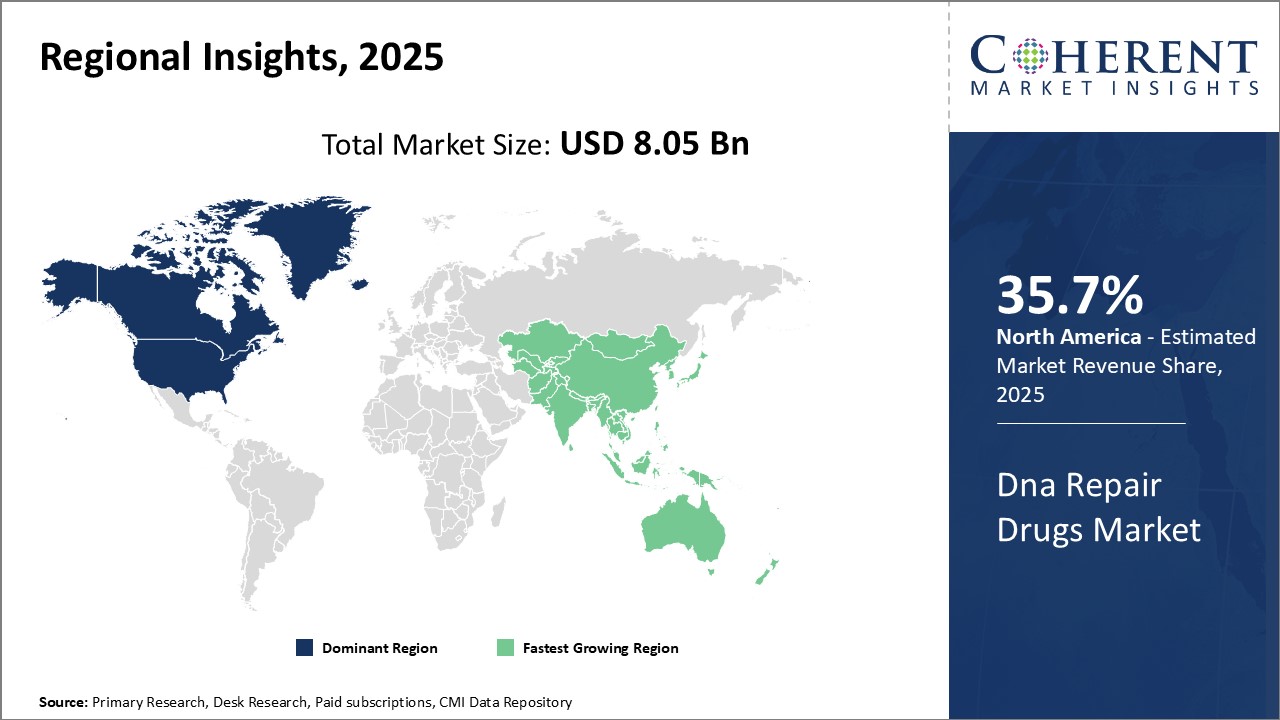
세계 DNA 복구약 시장은 2025년 80억 5,000만 달러, 2032년에는 192억 9,000만 달러에 달할 것으로 예측되며, 2025-2032년 연평균 성장률(CAGR)은 13.3%를 나타낼 것으로 예상됩니다.
| 보고 범위 | 보고서 상세 내용 | ||
|---|---|---|---|
| 기준 연도 | 2024년 | 2025년 시장 규모 | 80억 5,000만 달러 |
| 실적 데이터 | 2020-2024년 | 예측 기간 | 2025-2032년 |
| 예측 기간(2025-2032년) CAGR | 13.30% | 2032년 금액 예측 | 192억 9,000만 달러 |
DNA 복구약은 세포가 손상된 DNA를 식별하고 복구하는 능력을 향상시키는 것을 목표로 하며, 암 및 유전체 불안정성과 관련된 기타 질병 치료에 적용될 수 있습니다. 인체 내 DNA는 환경 노출 및 기타 세포 과정으로 인해 자연적으로 소진되어 시간이 지남에 따라 절단 및 기타 유형의 손상을 유발할 수 있습니다. 정상적인 상황에서 세포는 이러한 손상을 복구하고 돌연변이의 축적을 방지하기 위해 진화적으로 최적화된 DNA 복구 경로를 가지고 있습니다. 그러나 일부 병적 상태는 DNA 복구 능력의 결손과 관련이 있습니다. 약학적으로 DNA 복구 메커니즘을 강화하는 것은 미충족 수요에 대응하는 데 도움이 될 수 있습니다. 몇몇 생명공학 기업 및 대형 제약사들은 PARP, ATR, ATM 및 기타 DNA 손상 반응에 관여하는 분자와 같은 DNA 복구 경로의 주요 단백질을 표적으로 하는 DNA 복구약을 연구하고 있습니다. 이 분야는 암 및 유전성 질환의 정밀치료제 개발에 유망한 분야입니다.
시장 역학
세계 DNA 복구약 시장의 성장을 주도하는 것은 전 세계 암 발병률 증가와 DNA 손상과 다양한 질병 발병의 연관성에 대한 임상적 중요성이 증가하고 있기 때문입니다. 또한, DNA 복구 경로의 분자 표적 발굴을 위한 의약품 연구개발 투자 증가와 다양한 후보물질에 대한 임상시험 진행은 시장 진출기업들에게 유리한 기회를 제공할 수 있습니다. 그러나 DNA 생물학과 관련된 복잡성과 오프 타겟 효과와 관련된 안전성 위험은 완전한 이해와 임상 적용을 방해할 수 있습니다. 높은 개발 비용도 시장 개척에 걸림돌이 될 수 있습니다. 업계는 반응자 환자군을 선별하기 위한 바이오마커 전략과 독성을 최소화하면서 효능을 극대화하기 위한 병용요법 접근법에 초점을 맞추었습니다. 향후 신약 개발 노력은 암 이외의 다른 분야로 확장될 가능성이 있습니다.
본 조사의 주요 특징
- 세계의 DNA 복구약 시장을 상세하게 분석했으며, 2024년을 기준 연도로 하여 예측 기간(2025-2032년) 시장 규모(10억 달러)와 연평균 성장률(CAGR)에 대해 조사 분석하여 전해드립니다.
- 다양한 부문에 걸친 잠재적 수익 창출 기회를 파악하고, 이 시장의 매력적인 투자 제안 매트릭스를 설명합니다.
- 또한 시장 성장 촉진요인, 억제요인, 기회, 신제품 출시 및 승인, 시장 동향, 지역별 전망, 주요 기업의 경쟁 전략 등에 대한 중요한 고찰을 제공합니다.
- 이 보고서는 기업 하이라이트, 제품 포트폴리오, 주요 하이라이트, 재무 성과, 전략 등의 매개 변수를 기반으로 세계 DNA 복구약 시장의 주요 기업을 프로파일링합니다.
- 이 보고서의 통찰력을 통해 마케팅 담당자와 기업 경영진은 향후 제품 출시, 유형화, 시장 확대, 마케팅 전술에 대한 정보에 입각한 의사결정을 내릴 수 있습니다.
- DNA 복구약 세계 시장 보고서는 투자자, 공급업체, 제품 제조업체, 유통업체, 신규 시장 진출기업, 재무 분석가 등 이 산업의 다양한 이해관계자를 대상으로 합니다.
- 이해관계자들은 세계 DNA 복구약 시장 분석에 사용되는 다양한 전략 매트릭스를 통해 의사결정을 용이하게 할 수 있습니다.
목차
제1장 조사 목적과 전제조건
- 조사 목적
- 전제조건
- 약어
제2장 시장 전망
- 보고서 설명
- 시장 정의와 범위
- 주요 요약
- Coherent Opportunity Map (COM)
제3장 시장 역학, 규제, 동향 분석
- 시장 역학
- 성장 촉진요인
- 성장 억제요인
- 기회
- 영향 분석
- 시장 동향
- 규제 시나리오
- 인수와 제휴 시나리오
- 자금조달과 투자
- PEST 분석
- Porter의 Five Forces 분석
제4장 세계의 DNA 복구약 시장 - 코로나바이러스(COVID-19) 팬데믹의 영향
- 전체적인 영향
- 정부 이니셔티브
- 시장에 대한 COVID-19의 영향
제5장 세계의 DNA 복구약 시장, 약제 유형별, 2020-2032년(10억 달러)
- 서론
- Niraparib (Zejula)
- Olaparib (Lynparza)
- Rucaparib (Rubraca)
- Talazoparib (Talzenna)
제6장 세계의 DNA 복구약 시장, 용도별, 2020-2032년(10억 달러)
- 서론
- 난소암
- 유방암
- 전립선암
- 폐암
- 복막암
- 기타
제7장 세계의 DNA 복구약 시장, 투여 경로별, 2020-2032년(10억 달러)
- 서론
- 경구
- 비경구
- 기타
제8장 세계의 DNA 복구약 시장, 유통 채널별, 2020-2032년(10억 달러)
- 서론
- 병원 약국
- 소매 약국
- 온라인 약국
제9장 세계의 DNA 복구약 시장, 지역별, 2020-2032년(10억 달러)
- 서론
- 북미
- 라틴아메리카
- 유럽
- 아시아태평양
- 중동
- 아프리카
제10장 경쟁 구도
- 기업 개요
- AstraZeneca PLC
- Merck & Co., Inc.
- Pfizer Inc.
- Clovis Oncology
- Johnson & Johnson Services, Inc.
- Bayer AG
- Bristol-Myers Squibb Company
- Eli Lilly and Company
- GlaxoSmithKline plc(GSK)
- Novartis AG
- Roche Holding AG
- Agios Pharmaceuticals, Inc.
- AbbVie Inc.
- Teva Pharmaceutical Industries Ltd.
- BioMarin Pharmaceutical Inc.
- Takeda Pharmaceutical Company Limited
- NMS Group
제11장 애널리스트 추천 사항
- 융성과 쇠퇴
- Coherent Opportunity Map
제12장 참고 문헌과 조사 방법
- 참고 문헌
- 조사 방법
Global Dna Repair Drugs Market is estimated to be valued at USD 8.05 Bn in 2025 and is expected to reach USD 19.29 Bn by 2032, growing at a compound annual growth rate (CAGR) of 13.3% from 2025 to 2032.
| Report Coverage | Report Details | ||
|---|---|---|---|
| Base Year: | 2024 | Market Size in 2025: | USD 8.05 Bn |
| Historical Data for: | 2020 To 2024 | Forecast Period: | 2025 To 2032 |
| Forecast Period 2025 to 2032 CAGR: | 13.30% | 2032 Value Projection: | USD 19.29 Bn |
DNA repair drugs aim to improve the ability of cells to identify and repair damaged DNA, which could have applications in treating cancer and other diseases related to genomic instability. DNA in the human body undergoes natural wear and tear from environmental exposures and other cellular processes that can cause breaks and other types of damage over time. Under normal circumstances, cells have evolutionarily optimized DNA repair pathways to fix such lesions and prevent mutations from accumulating. However, certain medical conditions are linked to deficiencies in DNA repair capacity. Enhancing DNA repair mechanisms pharmaceutically could help address unmet clinical needs. Several biotechs and big pharmaceutical firms are researching DNA repair drugs that target key proteins in repair pathways such as PARP, ATR, ATM and other molecules involved in DNA damage response. This budding field holds promise for developing precision medicines for cancer and genetic disorders.
Market Dynamics:
Global DNA repair drugs market growth is driven by rising cancer burden worldwide and growing clinical emphasis on DNA damage links to various disease pathogenesis. Furthermore, increasing pharmaceutical R&D investments to identify molecular targets in DNA repair pathways and ongoing clinical trials for various candidates can offer lucrative opportunities for market players. However, complexities associated with DNA biology and safety risks pertaining to off-target effects can hamper complete understanding and clinical translation. High costs of development can hamper the market growth. Industry players are focused on biomarker strategies to select responder patient populations and combination therapy approaches to maximize efficacy while minimizing toxicity. Future discovery efforts can expand the scope into non-oncology areas.
Key Features of the Study:
- This report provides in-depth analysis of the global DNA repair drugs market, and provides market size (USD Billion) and compound annual growth rate (CAGR%) for the forecast period (2025-2032), considering 2024 as the base year
- It elucidates potential revenue opportunities across different segments and explains attractive investment proposition matrices for this market
- This study also provides key insights about market drivers, restraints, opportunities, new product launches or approval, market trends, regional outlook, and competitive strategies adopted by key players
- It profiles key players in the global DNA repair drugs market based on the following parameters - company highlights, products portfolio, key highlights, financial performance, and strategies
- Key companies covered as a part of this study include AbbVie, Bristol-Myers Squibb, GlaxoSmithKline, Merck, Novartis, Genentech, Pfizer, AstraZeneca
- Insights from this report would allow marketers and the management authorities of the companies to make informed decisions regarding their future product launches, type up-gradation, market expansion, and marketing tactics
- Global DNA repair drugs market report caters to various stakeholders in this industry including investors, suppliers, product manufacturers, distributors, new entrants, and financial analysts
- Stakeholders would have ease in decision-making through various strategy matrices used in analyzing the global DNA repair drugs market
Detailed Segmentation-
- By Drug Type
- Niraparib (Zejula)
- Olaparib (Lynparza)
- Rucaparib (Rubraca)
- Talazoparib (Talzenna)
- By Route of Administration
- Oral
- Parenteral
- Others
- By Distribution Channel
- Hospital Pharmacies
- Retail Pharmacies
- Online Pharmacies
- By Region
- North America
- Europe
- Asia Pacific
- Latin America
- Middle East
- Africa
- Company Profiles:
- AstraZeneca PLC
- Merck & Co., Inc.
- Pfizer Inc.
- Clovis Oncology
- Johnson & Johnson Services, Inc.
- Bayer AG
- Bristol-Myers Squibb Company
- Eli Lilly and Company
- GlaxoSmithKline plc (GSK)
- Novartis AG
- Roche Holding AG
- Agios Pharmaceuticals, Inc.
- AbbVie Inc.
- Teva Pharmaceutical Industries Ltd.
- BioMarin Pharmaceutical Inc.
- Takeda Pharmaceutical Company Limited
- NMS Group
Table of Contents
1. Research Objectives and Assumptions
- Research Objectives
- Assumptions
- Abbreviations
2. Market Purview
- Report Description
- Market Definition and Scope
- Executive Summary
- Market Snapshot, By Drug Type
- Market Snapshot, By Application
- Market Snapshot, By Route of Administration
- Market Snapshot, By Distribution Channel
- Market Snapshot, By Region
- Coherent Opportunity Map (COM)
3. Market Dynamics, Regulations, and Trends Analysis
- Market Dynamics
- Drivers
- Restraints
- Opportunities
- Impact Analysis
- Market Trends
- Key Developments
- Regulatory Scenario
- Acquisitions and Partnerships Scenario
- Funding and Investments
- PEST Analysis
- Porter's Analysis
4. Global DNA Repair Drugs Market - Impact of Coronavirus (COVID-19) Pandemic
- Overall Impact
- Government Initiatives
- COVID-19 Impact on the Market
5. Global DNA Repair Drugs Market, By Drug Type, 2020 - 2032, (USD Bn)
- Overview
- Market Share Analysis, 2025 and 2032 (%)
- Y-o-Y Growth Analysis, 2020 - 2032
- Segment Trends
- Niraparib (Zejula)
- Overview
- Market Size and Forecast, and Y-o-Y Growth, 2020-2032, (USD Bn)
- Olaparib (Lynparza)
- Overview
- Market Size and Forecast, and Y-o-Y Growth, 2020-2032, (USD Bn)
- Rucaparib (Rubraca)
- Overview
- Market Size and Forecast, and Y-o-Y Growth, 2020-2032, (USD Bn)
- Talazoparib (Talzenna)
- Overview
- Market Size and Forecast, and Y-o-Y Growth, 2020-2032, (USD Bn)
6. Global DNA Repair Drugs Market, By Application, 2020 - 2032, (USD Bn)
- Overview
- Market Share Analysis, 2025 and 2032 (%)
- Y-o-Y Growth Analysis, 2020 - 2032
- Segment Trends
- Ovarian Cancer
- Overview
- Market Size and Forecast, and Y-o-Y Growth, 2020-2032, (USD Bn)
- Breast Cancer
- Overview
- Market Size and Forecast, and Y-o-Y Growth, 2020-2032, (USD Bn)
- Prostate Cancer
- Overview
- Market Size and Forecast, and Y-o-Y Growth, 2020-2032, (USD Bn)
- Lung Cancer
- Overview
- Market Size and Forecast, and Y-o-Y Growth, 2020-2032, (USD Bn)
- Peritoneal Cancer
- Overview
- Market Size and Forecast, and Y-o-Y Growth, 2020-2032, (USD Bn)
- Others
- Overview
- Market Size and Forecast, and Y-o-Y Growth, 2020-2032, (USD Bn)
7. Global DNA Repair Drugs Market, By Route of Administration, 2020 - 2032, (USD Bn)
- Overview
- Market Share Analysis, 2025 and 2032 (%)
- Y-o-Y Growth Analysis, 2020 - 2032
- Segment Trends
- Oral
- Overview
- Market Size and Forecast, and Y-o-Y Growth, 2020-2032, (USD Bn)
- Parenteral
- Overview
- Market Size and Forecast, and Y-o-Y Growth, 2020-2032, (USD Bn)
- Others
- Overview
- Market Size and Forecast, and Y-o-Y Growth, 2020-2032, (USD Bn)
8. Global DNA Repair Drugs Market, By Distribution Channel, 2020 - 2032, (USD Bn)
- Overview
- Market Share Analysis, 2025 and 2032 (%)
- Y-o-Y Growth Analysis, 2020 - 2032
- Segment Trends
- Hospital Pharmacies
- Overview
- Market Size and Forecast, and Y-o-Y Growth, 2020-2032, (USD Bn)
- Retail Pharmacies
- Overview
- Market Size and Forecast, and Y-o-Y Growth, 2020-2032, (USD Bn)
- Online Pharmacies
- Overview
- Market Size and Forecast, and Y-o-Y Growth, 2020-2032, (USD Bn)
9. Global DNA Repair Drugs Market, By Region, 2020 - 2032, (USD Bn)
- Introduction
- Market Share Analysis, By Region, 2025 and 2032 (%)
- Y-o-Y Growth Analysis, For Region, 2020-2032
- Regional Trends
- North America
- Introduction
- Market Size and Forecast, and Y-o-Y Growth, By Drug Type, 2020 - 2032, (USD Bn)
- Market Size and Forecast, and Y-o-Y Growth, By Application, 2020 - 2032, (USD Bn)
- Market Size and Forecast, and Y-o-Y Growth, By Route of Administration, 2020 - 2032, (USD Bn)
- Market Size and Forecast, and Y-o-Y Growth, By Distribution Channel, 2020 - 2032, (USD Bn)
- Market Size and Forecast, and Y-o-Y Growth, By Country, 2020 - 2032, (USD Bn)
- U.S.
- Canada
- Latin America
- Introduction
- Market Size and Forecast, and Y-o-Y Growth, By Drug Type, 2020 - 2032, (USD Bn)
- Market Size and Forecast, and Y-o-Y Growth, By Application, 2020 - 2032, (USD Bn)
- Market Size and Forecast, and Y-o-Y Growth, By Route of Administration, 2020 - 2032, (USD Bn)
- Market Size and Forecast, and Y-o-Y Growth, By Distribution Channel, 2020 - 2032, (USD Bn)
- Market Size and Forecast, and Y-o-Y Growth, By Country, 2020 - 2032, (USD Bn)
- Brazil
- Mexico
- Argentina
- Rest of Latin America
- Europe
- Introduction
- Market Size and Forecast, and Y-o-Y Growth, By Drug Type, 2020 - 2032, (USD Bn)
- Market Size and Forecast, and Y-o-Y Growth, By Application, 2020 - 2032, (USD Bn)
- Market Size and Forecast, and Y-o-Y Growth, By Route of Administration, 2020 - 2032, (USD Bn)
- Market Size and Forecast, and Y-o-Y Growth, By Distribution Channel, 2020 - 2032, (USD Bn)
- Market Size and Forecast, and Y-o-Y Growth, By Country, 2020 - 2032, (USD Bn)
- U.K.
- Germany
- Italy
- France
- Spain
- Russia
- Rest of Europe
- Asia Pacific
- Introduction
- Market Size and Forecast, and Y-o-Y Growth, By Drug Type, 2020 - 2032, (USD Bn)
- Market Size and Forecast, and Y-o-Y Growth, By Application, 2020 - 2032, (USD Bn)
- Market Size and Forecast, and Y-o-Y Growth, By Route of Administration, 2020 - 2032, (USD Bn)
- Market Size and Forecast, and Y-o-Y Growth, By Distribution Channel, 2020 - 2032, (USD Bn)
- Market Size and Forecast, and Y-o-Y Growth, By Country, 2020 - 2032, (USD Bn)
- China
- India
- Japan
- ASEAN
- Australia
- South Korea
- Rest of Asia Pacific
- Middle East
- Introduction
- Market Size and Forecast, and Y-o-Y Growth, By Drug Type, 2020 - 2032, (USD Bn)
- Market Size and Forecast, and Y-o-Y Growth, By Application, 2020 - 2032, (USD Bn)
- Market Size and Forecast, and Y-o-Y Growth, By Route of Administration, 2020 - 2032, (USD Bn)
- Market Size and Forecast, and Y-o-Y Growth, By Distribution Channel, 2020 - 2032, (USD Bn)
- Market Size and Forecast, and Y-o-Y Growth, By Country, 2020 - 2032, (USD Bn)
- GCC Countries
- Israel
- Rest of Middle East
- Africa
- Introduction
- Market Size and Forecast, and Y-o-Y Growth, By Drug Type, 2020 - 2032, (USD Bn)
- Market Size and Forecast, and Y-o-Y Growth, By Application, 2020 - 2032, (USD Bn)
- Market Size and Forecast, and Y-o-Y Growth, By Route of Administration, 2020 - 2032, (USD Bn)
- Market Size and Forecast, and Y-o-Y Growth, By Distribution Channel, 2020 - 2032, (USD Bn)
- Market Size and Forecast, and Y-o-Y Growth, By Country/Region, 2020 - 2032, (USD Bn)
- North Africa
- Central Africa
- South Africa
10. Competitive Landscape
- Company Profiles
- AstraZeneca PLC
- Company Highlights
- Method Portfolio
- Key Highlights
- Financial Performance
- Market Strategies
- Merck & Co., Inc.
- Merck & Co., Inc.
- Pfizer Inc.
- Clovis Oncology
- Johnson & Johnson Services, Inc.
- Bayer AG
- Bristol-Myers Squibb Company
- Eli Lilly and Company
- GlaxoSmithKline plc (GSK)
- Novartis AG
- Roche Holding AG
- Agios Pharmaceuticals, Inc.
- AbbVie Inc.
- Teva Pharmaceutical Industries Ltd.
- BioMarin Pharmaceutical Inc.
- Takeda Pharmaceutical Company Limited
- NMS Group
- AstraZeneca PLC
11. Analyst Recommendations
- Wheel of Fortune
- Analyst View
- Coherent Opportunity Map
12. References and Research Methodology
- References
- Research Methodology
- About us and Sales Contact


