|
시장보고서
상품코드
1705709
1형 자가면역성 다선증후군 시장 : 진단별, 치료별, 투여형별, 투여경로별, 발병연령별, 유통채널별, 지역별Global Autoimmune Polyglandular Syndrome Type 1 Market, By Diagnosis, By Treatment, By Dosage Form, By Route of Administration, By Age of Onset, By Distribution Channel, By Geography |
||||||

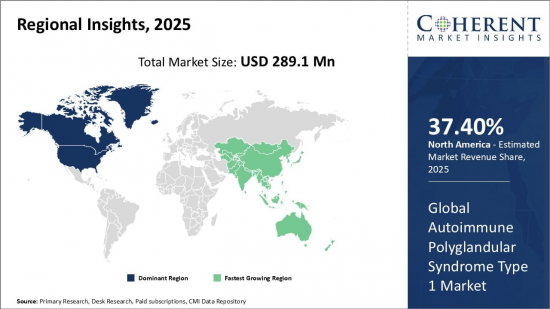
세계의 1형 자가면역성 다선증후군 시장은 2025년 2억 8,910만 달러로 추정되며, 2032년까지 3억 6,280만 달러에 이를 것으로 예측되며, 2025년부터 2032년까지 연평균 성장률(CAGR) 3.3%로 성장할 것으로 예측됩니다.
| 보고 범위 | 보고서 세부정보 | ||
|---|---|---|---|
| 기준연도 | 2024년 | 2025년 시장 규모 | 2억 8,910만 달러 |
| 실적 데이터 | 2020-2024년 | 예측 기간 | 2025-2032년 |
| 예측 기간: 2025-2032년 CAGR: | 3.30% | 2032년 가치 예측 | 3억 6,280만 달러 |
1형 자가면역성 다선증후군(APS1)은 자가면역성 다발성 내분비 질환-칸디다증-외배엽성 이영양증(APECED)으로도 알려져 있으며, 부신, 부갑상선, 성선, 다른 조직과 같은 일부 내분비선의자가 면역 파괴로 인한 희귀한 다계통 질환입니다. APS1의 일반적인 임상적 특징으로는 부갑상선 기능 저하증, 원발성 부신 부전, 만성 점막 피부 칸디다증, 생식선 기능부전 등을 들 수 있습니다.
시장 역학:
세계의 1형 자가면역성 다선증후군 시장은 세계의 APS1 유병률의 상승에 기인하는 유리한 성장 기회를 나타내는 것으로 예측됩니다. 질병 메커니즘의 해명과 새로운 관용 유도 요법의 개발에 관한 연구 증가도 시장의 성장을 뒷받침하고 있습니다. 질병에 대한 인식을 높이고 새로운 생물 제제의 개발에 주력하는 대처는 매력적인 기회를 낳을 가능성을 지니고 있습니다. 현재 진행중인 조사는 기초가 되는 메커니즘의 이해를 깊게 하고 보다 적은 효과적인 치료를 가능하게 하는 것을 목적으로 하고 있습니다.
APS-1의 연구를 진행하고 이 복잡한 자가면역 증후군을 앓고 있는 사람들의 삶의 질을 향상시키기 위해서는 제약기업, 연구기관, 환자지원단체의 협력이 필수적입니다.
본 조사의 주요 특징
본 보고서에서는 세계의 1형 자가면역성 다선증후군 시장을 상세하게 분석하여 2024년을 기준연도로 한 예측기간(2025-2032년) 시장 규모 및 CAGR을 나타냅니다.
또한 다양한 부문에 걸친 잠재적인 수익 기회를 밝히고 이 시장의 매력적인 투자 제안 매트릭스를 설명합니다.
또한 시장 성장 촉진요인, 억제요인, 기회, 신제품 출시 및 승인, 시장 동향, 지역별 전망, 주요 기업이 채용하는 경쟁 전략 등에 관한 중요한 고찰도 제공합니다.
세계의 1형 자가면역성 다선증후군 시장에서 주요 기업 프로파일을 기업 하이라이트, 제품 포트폴리오, 주요 하이라이트, 실적, 전략 등의 매개변수를 기반으로 제공합니다.
이 조사의 대상이 되는 주요 기업은 Pfizer Inc., GlaxoSmithKline plc, Novartis AG, Mylan N.V., Teva Pharmaceutical Industries Ltd., Sanofi, F. Hoffmann-La Roche Ltd., Zydus Cadila, Lupin, Amneal Pharmaceuticals LLC., Cipla Inc., Aurobindo Pharma, Glenmark Pharmaceuticals Limited, Eli Lilly and Company, Sun Pharmaceutical Industries Ltd., Allergan, Bristol-Myers Squibb Company, Takeda Pharmaceutical Company Limited, Abbott, LEO Pharma A/S 등이 있습니다.
이 보고서의 인사이트를 통해 마케팅 담당자와 기업 경영진은 향후 제품 상시, 타이핑, 시장 확대, 마케팅 전술에 대한 충분한 정보를 바탕으로 의사 결정을 내릴 수 있습니다.
이 조사 보고서는 투자자, 공급업체, 제품 제조업체, 판매자, 신규 진출기업, 재무 분석가 등 이 업계의 다양한 이해관계자를 대상으로 합니다.
이해관계자들은 세계의 1형 자가면역성 다선증후군 시장 분석에 사용되는 다양한 전략 매트릭스를 통해 의사결정이 용이해집니다.
목차
제1장 조사의 목적과 전제조건
- 조사 목적
- 전제조건
- 약어
제2장 시장 전망
- 보고서 설명
- 시장 정의와 범위
- 주요 요약
- Coherent Opportunity Map(COM)
제3장 시장 역학, 규제, 동향 분석
- 시장 역학
- 영향 분석
- 주요 하이라이트
- 규제 시나리오
- 서비스 제공 포트폴리오
- PEST 분석
- PORTER 분석
- 합병과 인수 시나리오
- 파이프라인 분석
제4장 세계의 1형 자가면역성 다선증후군 시장 - 코로나바이러스(COVID-19) 팬데믹의 영향
- COVID-19 역학
- 공급측과 수요측의 분석
- 경제에 미치는 영향
제5장 세계의 1형 자가면역성 다선증후군 시장, 진단별, 2020-2032년
- 혈청 자가면역 검사
- 말단 장기 기능 검사
- 혈액검사
제6장 세계의 1형 자가면역성 다선증후군 시장, 치료별, 2020-2032년
- 약
- 항진균제
- 플루코나졸
- 이트라코나졸
- 칼시트리올
- 코르티코스테로이드
- 기타(호르몬 보충 요법 등)
제7장 세계의 1형 자가면역성 다선증후군 시장, 제형별, 2020-2032년
- 정제
- 캡슐
- 기타
제8장 세계의 1형 자가면역성 다선증후군 시장, 투여 경로별, 2020-2032년
- 경구
- 기타
제9장 세계의 1형 자가면역성 다선증후군 시장, 발병 연령별, 2020-2032년
- 소아
- 성인
- 청소년
제10장 세계의 1형 자가면역성 다선증후군 시장, 유통 채널별, 2020-2032년
- 병원 약국
- 소매 약국
- 온라인 약국
제11장 세계의 1형 자가면역성 다선증후군 시장, 지역별, 2020-2032년
- 북미
- 유럽
- 중국
- 인도
- 일본
- 호주
- 한국
- ASEAN
- 기타 아시아태평양
- 라틴아메리카
- 브라질
- 아르헨티나
- 멕시코
- 기타 라틴아메리카
- 중동
- GCC 국가
- 이스라엘
- 기타 중동
- 아프리카
- 북아프리카
- 중앙 아프리카
- 남아프리카
제12장 경쟁 구도
- Pfizer Inc.
- GlaxoSmithKline plc
- Novartis AG
- Mylan NV
- Teva Pharmaceutical Industries Ltd.
- Sanofi
- Hoffmann-La Roche Ltd.
- Zydus Cadila
- Lupin
- Amneal Pharmaceuticals LLC.
- Cipla Inc.
- Aurobindo Pharma
- Glenmark Pharmaceuticals Limited
- Eli Lilly and Company
- Sun Pharmaceutical Industries Ltd.
- Allergan
- Bristol-Myers Squibb Company
- Takeda Pharmaceutical Company Limited
- Abbott
- LEO Pharma A/S
제13장 섹션
- 조사 방법
- 출판사에 대해
Global Autoimmune Polyglandular Syndrome Type 1 Market is estimated to be valued at USD 289.1 Mn in 2025 and is expected to reach USD 362.8 Mn by 2032, growing at a compound annual growth rate (CAGR) of 3.3% from 2025 to 2032.
| Report Coverage | Report Details | ||
|---|---|---|---|
| Base Year: | 2024 | Market Size in 2025: | USD 289.1 Mn |
| Historical Data for: | 2020 To 2024 | Forecast Period: | 2025 To 2032 |
| Forecast Period 2025 to 2032 CAGR: | 3.30% | 2032 Value Projection: | USD 362.8 Mn |
Autoimmune polyglandular syndrome type 1 (APS1), also known as autoimmune polyendocrinopathy-candidiasis-ectodermal dystrophy (APECED), is a rare multisystem disorder caused by the autoimmune destruction of several endocrine glands like the adrenals, parathyroid glands, gonads, and other tissues. APS1 results from mutations in the AIRE gene (autoimmune regulator), which regulates the expression of tissue-specific genes and promotes central tolerance induction. Loss of function of AIRE leads to failures in immune tolerance, leading to autoimmune attacks on multiple organs. Common clinical features of APS1 include hypoparathyroidism, primary adrenal insufficiency, chronic mucocutaneous candidiasis, and gonadal failure. Early onset and severity of multiorgan involvement require lifelong management and monitoring of APS1 patients.
Market Dynamics:
The global autoimmune polyglandular syndrome type 1 market is projected to witness lucrative growth opportunities owing to rising APS1 disease prevalence worldwide. Genetic screening programs for high-risk ethnic populations are driving the early diagnosis rate. Increasing research into understanding immunological disease mechanisms and developing novel tolerance-inducing therapies is also fueling market growth. However, a lack of approved targeted drugs and limited treatment options continue to hamper the market. Meanwhile, initiatives to enhance rare disease awareness and focus on developing new biologics hold potential to create attractive opportunities. As a rare disease, APS-1 may benefit from orphan drug designations and incentives to encourage research and development. Ongoing research aims to deepen our understanding of the underlying mechanisms, allowing for more targeted and effective treatments. However, the limited patient population poses challenges for large-scale clinical trials and drug development.
Collaboration between pharmaceutical companies, research institutions, and patient advocacy groups is crucial for advancing APS-1 research and improving the quality of life for individuals affected by this complex autoimmune syndrome. The market dynamics are influenced by both medical advancements and the regulatory landscape supporting rare disease treatments.
Key features of the study:
This report provides in-depth analysis of the global autoimmune polyglandular syndrome type 1 market, and provides market size (US$ Million) and compound annual growth rate (CAGR%) for the forecast period (2025-2032), considering 2024 as the base year
It elucidates potential revenue opportunities across different segments and explains attractive investment proposition matrices for this market
This study also provides key insights about market drivers, restraints, opportunities, new product launches or approval, market trends, regional outlook, and competitive strategies adopted by key players
It profiles key players in the global autoimmune polyglandular syndrome type 1 market based on the following parameters - company highlights, products portfolio, key highlights, financial performance, and strategies
Key companies covered as a part of this study include Pfizer Inc., GlaxoSmithKline plc, Novartis AG, Mylan N.V., Teva Pharmaceutical Industries Ltd., Sanofi, F. Hoffmann-La Roche Ltd., Zydus Cadila, Lupin, Amneal Pharmaceuticals LLC., Cipla Inc., Aurobindo Pharma, Glenmark Pharmaceuticals Limited, Eli Lilly and Company, Sun Pharmaceutical Industries Ltd., Allergan, Bristol-Myers Squibb Company, Takeda Pharmaceutical Company Limited, Abbott, and LEO Pharma A/S.
Insights from this report would allow marketers and the management authorities of the companies to make informed decisions regarding their future product launches, type up-gradation, market expansion, and marketing tactics
The global autoimmune polyglandular syndrome type 1 market report caters to various stakeholders in this industry including investors, suppliers, product manufacturers, distributors, new entrants, and financial analysts
Stakeholders would have ease in decision-making through various strategy matrices used in analyzing the global autoimmune polyglandular syndrome type 1 market
Detailed Segmentation:
- By Diagnosis
- Serum Autoimmune Screen
- End-organ Function Tests
- Blood Tests
- By Treatment
- Medication
- Antifungal Agents
- Fluconazole
- Itraconazole
- Calcitriol
- Corticosteroids
- Others (Hormone Replacement Therapy, etc.)
- By Dosage Form
- Tablet
- Capsule
- Others
- By Route of Administration
- Oral
- Others
- By Age of Onset
- Childhood
- Adult
- Adolescent
- By Distribution Channel
- Hospital Pharmacies
- Retail Pharmacies
- Online Pharmacies
- By Region
- North America
- Europe
- Asia Pacific
- Latin America
- Middle East
- Africa
- Key Players:
- Pfizer Inc.
- GlaxoSmithKline plc
- Novartis AG
- Mylan N.V.
- Teva Pharmaceutical Industries Ltd.
- Sanofi
- F.Hoffmann-La Roche Ltd.
- Zydus Cadila
- Lupin
- Amneal Pharmaceuticals LLC.
- Cipla Inc.
- Aurobindo Pharma
- Glenmark Pharmaceuticals Limited
- Eli Lilly and Company
- Sun Pharmaceutical Industries Ltd.
- Allergan
- Bristol-Myers Squibb Company
- Takeda Pharmaceutical Company Limited
- Abbott
- LEO Pharma A/S
Table of Contents
1. Research Objectives and Assumptions
- Research Objectives
- Assumptions
- Abbreviations
2. Market Purview
- Report Description
- Market Definition and Scope
- Executive Summary
- Global Autoimmune Polyglandular Syndrome Type 1 Market, By Diagnosis
- Global Autoimmune Polyglandular Syndrome Type 1 Market, By Treatment
- Global Autoimmune Polyglandular Syndrome Type 1 Market, By Dosage Form
- Global Autoimmune Polyglandular Syndrome Type 1 Market, By Route of Administration
- Global Autoimmune Polyglandular Syndrome Type 1 Market, By Age of Onset
- Global Autoimmune Polyglandular Syndrome Type 1 Market, By Distribution Channel
- Global Autoimmune Polyglandular Syndrome Type 1 Market, By Region
- Coherent Opportunity Map (COM)
3. Market Dynamics, Regulations, and Trends Analysis
- Market Dynamics
- Increased incidence of autoimmune disorders
- Growing Genetic Research Insights
- Impact Analysis
- Key Highlights
- Regulatory Scenario
- Service offering Portfolio
- PEST Analysis
- PORTER's Analysis
- Merger and Acquisition Scenario
- Pipeline Analysis
4. Global Autoimmune Polyglandular Syndrome Type 1 Market- Impact of Coronavirus (COVID-19) Pandemic
- COVID-19 Epidemiology
- Supply Side and Demand Side Analysis
- Economic Impact
5. Global Autoimmune Polyglandular Syndrome Type 1 Market, By Diagnosis, 2020-2032, (US$ Mn)
- Introduction
- Market Share Analysis, 2025 and 2032 (%)
- Y-o-Y Growth Analysis, 2021 - 2032
- Segment Trends
- Serum Autoimmune Screen
- Introduction
- Market Size and Forecast, and Y-o-Y Growth, 2020-2032,(US$ Mn)
- End-organ Function Tests
- Introduction
- Market Size and Forecast, and Y-o-Y Growth, 2020-2032,(US$ Mn)
- Blood Tests
- Introduction
- Market Size and Forecast, and Y-o-Y Growth, 2020-2032,(US$ Mn)
6. Global Autoimmune Polyglandular Syndrome Type 1 Market, By Treatment, 2020-2032, (US$ Mn)
- Introduction
- Market Share Analysis, 2025 and 2032 (%)
- Y-o-Y Growth Analysis, 2021 - 2032
- Segment Trends
- Medication
- Introduction
- Market Size and Forecast, and Y-o-Y Growth, 2020-2032,(US$ Mn)
- Antifungal Agents
- Introduction
- Market Size and Forecast, and Y-o-Y Growth, 2020-2032,(US$ Mn)
- Fluconazole
- Introduction
- Market Size and Forecast, and Y-o-Y Growth, 2020-2032,(US$ Mn)
- Itraconazole
- Introduction
- Market Size and Forecast, and Y-o-Y Growth, 2020-2032,(US$ Mn)
- Calcitriol
- Introduction
- Market Size and Forecast, and Y-o-Y Growth, 2020-2032,(US$ Mn)
- Corticosteroids
- Introduction
- Market Size and Forecast, and Y-o-Y Growth, 2020-2032,(US$ Mn)
- Others (Hormone Replacement Therapy, etc.)
- Introduction
- Market Size and Forecast, and Y-o-Y Growth, 2020-2032,(US$ Mn)
7. Global Autoimmune Polyglandular Syndrome Type 1 Market, By Dosage Form, 2020-2032, (US$ Mn)
- Introduction
- Market Share Analysis, 2025 and 2032 (%)
- Y-o-Y Growth Analysis, 2021 - 2032
- Segment Trends
- Tablet
- Introduction
- Market Size and Forecast, and Y-o-Y Growth, 2020-2032,(US$ Mn)
- Capsule
- Introduction
- Market Size and Forecast, and Y-o-Y Growth, 2020-2032,(US$ Mn)
- Others
- Introduction
- Market Size and Forecast, and Y-o-Y Growth, 2020-2032,(US$ Mn)
8. Global Autoimmune Polyglandular Syndrome Type 1 Market, By Route of Administration, 2020-2032, (US$ Mn)
- Introduction
- Market Share Analysis, 2025 and 2032 (%)
- Y-o-Y Growth Analysis, 2021 - 2032
- Segment Trends
- Oral
- Introduction
- Market Size and Forecast, and Y-o-Y Growth, 2020-2032,(US$ Mn)
- Others
- Introduction
- Market Size and Forecast, and Y-o-Y Growth, 2020-2032,(US$ Mn)
9. Global Autoimmune Polyglandular Syndrome Type 1 Market, By Age of Onset, 2020-2032, (US$ Mn)
- Introduction
- Market Share Analysis, 2025 and 2032 (%)
- Y-o-Y Growth Analysis, 2021 - 2032
- Segment Trends
- Childhood
- Introduction
- Market Size and Forecast, and Y-o-Y Growth, 2020-2032,(US$ Mn)
- Adult
- Introduction
- Market Size and Forecast, and Y-o-Y Growth, 2020-2032,(US$ Mn)
- Adolescent
- Introduction
- Market Size and Forecast, and Y-o-Y Growth, 2020-2032,(US$ Mn)
10. Global Autoimmune Polyglandular Syndrome Type 1 Market, By Distribution Channel, 2020-2032, (US$ Mn)
- Introduction
- Market Share Analysis, 2025 and 2032 (%)
- Y-o-Y Growth Analysis, 2021 - 2032
- Segment Trends
- Hospital Pharmacies
- Introduction
- Market Size and Forecast, and Y-o-Y Growth, 2020-2032,(US$ Mn)
- Retail Pharmacies
- Introduction
- Market Size and Forecast, and Y-o-Y Growth, 2020-2032,(US$ Mn)
- Online Pharmacies
- Introduction
- Market Size and Forecast, and Y-o-Y Growth, 2020-2032,(US$ Mn)
11. Global Autoimmune Polyglandular Syndrome Type 1 Market, By Region, 2020-2032, (US$ Mn)
- Introduction
- Market Share Analysis, By Country, 2025 and 2032 (%)
- Y-o-Y Growth Analysis, For Country 2021 -2032
- Country Trends
- North America
- Introduction
- Market Size and Forecast, and Y-o-Y Growth, By Diagnosis, 2020-2032,(US$ Mn)
- Market Size and Forecast, and Y-o-Y Growth, By Treatment, 2020-2032,(US$ Mn)
- Market Size and Forecast, and Y-o-Y Growth, By Dosage Form, 2020-2032,(US$ Mn)
- Market Size and Forecast, and Y-o-Y Growth, By Route of Administration, 2020-2032,(US$ Mn)
- Market Size and Forecast, and Y-o-Y Growth, By Age of Onset, 2020-2032,(US$ Mn)
- Market Size and Forecast, and Y-o-Y Growth, By Distribution Channel, 2020-2032,(US$ Mn)
- Market Size and Forecast, and Y-o-Y Growth, By Country, 2020-2032,(US$ Mn)
- U.S.
- Canada
- Europe
- Germany
- U.K.
- Spain
- France
- Italy
- Russia
- Rest of Europe
- Asia Pacific
- China
- India
- Japan
- Australia
- South Korea
- ASEAN
- Rest of Asia Pacific
- Latin America
- Brazil
- Argentina
- Mexico
- Rest of Latin America
- Middle East
- GCC Countries
- Israel
- Rest of Middle East
- Africa
- North Africa
- Central Africa
- South Africa
12. Competitive Landscape
- Pfizer Inc.
- Company Highlights
- Product & Service Portfolio
- Key Highlights
- Financial Performance
- Strategies
- GlaxoSmithKline plc
- Novartis AG
- Mylan N.V.
- Teva Pharmaceutical Industries Ltd.
- Sanofi
- Hoffmann-La Roche Ltd.
- Zydus Cadila
- Lupin
- Amneal Pharmaceuticals LLC.
- Cipla Inc.
- Aurobindo Pharma
- Glenmark Pharmaceuticals Limited
- Eli Lilly and Company
- Sun Pharmaceutical Industries Ltd.
- Allergan
- Bristol-Myers Squibb Company
- Takeda Pharmaceutical Company Limited
- Abbott
- LEO Pharma A/S
- Analyst Views
13. Section
- Research Methodology
- About us