|
시장보고서
상품코드
2004966
태양광 인버터 시장 : 제품별, 구성 요소별, 유형별, 상별, 출력별, 판매 채널별, 용도별 - 세계 예측(2026-2032년)PV Inverter Market by Product, Component, Type, Phase, Power Output, Sales Channel, Application - Global Forecast 2026-2032 |
||||||
 360iResearch
태양광 인버터 시장은 2025년에 237억 7,000만 달러로 평가되었습니다. 2026년에는 272억 달러로 성장하고 CAGR 15.22%를 나타내, 2032년까지 641억 1,000만 달러에 이를 것으로 예측됩니다.
| 주요 시장 통계 | |
|---|---|
| 기준 연도(2025년) | 237억 7,000만 달러 |
| 추정 연도(2026년) | 272억 달러 |
| 예측 연도(2032년) | 641억 1,000만 달러 |
| CAGR(%) | 15.22% |
태양광 인버터의 역할, 진화하는 기술 우선순위, 조달 및 도입 의사결정을 지원하는 전략적 고려사항에 대한 종합적 개요
태양광 인버터 부문은 급속한 전기화, 재생에너지의 통합, 진화하는 전력계통의 역학이 교차하는 지점에 위치하고 있습니다. 인버터는 태양광 발전 어레이와 전력 시스템 간의 전력 변환의 핵심을 담당하며, 주거용 지붕, 상업용 지붕 및 전체 유틸리티 규모의 어레이에서 효율성, 신뢰성 및 시스템 수준의 제어를 형성하고 있습니다. 이해관계자들이 시스템 복원력과 수명주기 경제성을 우선시하는 가운데, 토폴로지, 전력 처리 능력, 계통 지원 기능과 같은 인버터의 기술적 특성이 조달 및 엔지니어링 논의의 최전선에 부상하고 있습니다.
기술 융합, 규제 가속화, 통합 시스템 아키텍처가 인버터 생태계의 가치 제안과 경쟁 역학을 어떻게 재구성하고 있는가?
태양광 인버터 시장 환경은 기술 혁신, 전력회사 기준의 변화, 분산형 에너지 자원의 보급 확대에 힘입어 혁신적 변화를 맞이하고 있습니다. 파워일렉트로닉스는 단순한 직류(DC)에서 교류(AC)로의 변환에서 전력 저장, 계통 서비스, 고급 전력 품질 관리를 지원할 수 있는 다기능 플랫폼으로 전환하고 있습니다. 이러한 전환은 신뢰성과 비용 효율성을 유지하면서 고급 제어 및 통신 기능을 통합할 수 있는 제조업체에게 새로운 기회를 창출하고 있습니다.
2025년 요금제에 따른 공급망 전환점은 태양광 인버터 조달 및 제조 전반에 걸쳐 현지 생산, 공급업체 다변화, 계약 재설계를 촉진하고 있습니다.
2025년 미국에서 발표된 관세 정책은 태양광 인버터 밸류체인에 관련된 많은 관계자들에게 조달 결정, 공급업체와의 관계, 공급망 전략에 중대한 변화를 가져왔습니다. 관세 인상과 수입 규제 강화로 인해 바이어와 제조업체는 비용 리스크를 관리하기 위해 조달 경로, 지역별 제조 거점, 재고 전략을 재검토해야 하는 상황에 직면해 있습니다. 이에 대응하여 여러 제조업체들은 중요한 제조 공정의 현지화를 가속화하고, 공급업체 다변화를 우선시하며, 수익률과 납기의 확실성을 보장하기 위해 거래 조건을 재구성하고 있습니다.
제품 유형, 부품의 상호 의존성, 출력 등급, 위상 구성, 판매 채널, 최종 시장 요구 사항을 경쟁적 포지셔닝으로 연결, 정교한 세분화 통합
인사이트 있는 세분화를 통해 제품 설계, 부품 선택, 배포 모델, 고객 채널이 어떻게 상호 작용하여 전체 인버터 시장에서 경쟁 우위를 형성하고 있는지 파악할 수 있습니다. 제품 분류에 따라 중앙형 태양광 인버터, 마이크로 태양광 인버터, 스트링형 태양광 인버터 간의 차이가 엔지니어링 우선순위를 결정합니다. 중앙집중형 유닛은 실용적인 규모의 설치를 위해 고출력 열 관리와 모듈식 중복성을 우선시하고, 스트링형 솔루션은 상업용 어레이에 적합한 효율성과 스트링별 최적화의 균형을 맞추고, 마이크로 인버터는 모듈 수준의 최대 전력점 추종(MPPT)과 주택에 대한 주택에 대한 간단한 통합을 중시합니다. 이러한 제품의 차이는 보증 체계, 신뢰성 검사 프로토콜, 설치 작업에 대한 고려사항에 영향을 미칩니다.
지역별 규제 환경, 전력망 특성, 공급망 실태가 전 세계 각 지역의 제품 설계, 인증, 시장 출시 전략에 어떤 영향을 미치고 있는가?
지역별 동향은 주요 지역별로 제품 요구사항, 규제 준수 과제, 시장 진출 전략을 재구성하고 있습니다. 북미와 남미에서는 정책적 인센티브, 재생에너지 조달 목표, 분산형과 실용적인 규모의 프로젝트가 혼합되어 주택용 스트링 솔루션과 대규모 중앙 인버터 모두 탄탄한 시장을 형성하고 있습니다. 현지 제조 및 애프터 서비스 네트워크는 입찰 과정에서 중요한 차별화 요소로 작용하고 있습니다. 유럽, 중동 및 아프리카에서는 송전망 현대화, 변화하는 보조금 제도, 다양한 기후 조건으로 인해 엄격한 송전망 규정 하에서 작동하고, 무효전력 지원을 제공하고, 가혹한 환경 조건을 견딜 수 있는 유연한 인버터 플랫폼이 요구되고 있습니다. 또한, 기존 설비의 리노베이션 기회와 상업용 옥상 프로젝트가 증가함에 따라 모듈식 및 유지관리가 용이한 설계에 대한 수요가 가속화되고 있습니다.
경쟁 구도와 공급업체 전략을 중시하고, 파워 일렉트로닉스 혁신, 소프트웨어 통합, 서비스 차별화를 통해 입찰 수주 및 장기 계약을 획득합니다.
인버터 시장 경쟁 구도는 전통적인 OEM, 신흥 디스럽터, 전문 부품 공급업체가 혼재되어 있으며, 각 업체는 수직적 통합, 기술 차별화, 서비스 제공과 관련하여 독자적인 전략을 추구하고 있습니다. 주요 시스템 공급업체들은 파워 일렉트로닉스 혁신, 모니터링 및 자산 관리를 위한 디지털 플랫폼, 인버터를 보다 광범위한 에너지 생태계에 통합하기 위한 파트너십에 투자하고 있습니다. 이들 기업은 검증된 신뢰성, 광범위한 서비스 네트워크, 대규모 개발자 및 기업 고객의 리스크를 완화하는 보증 시스템을 중요시합니다.
조달 라이프사이클 전반에 걸쳐 제품 탄력성, 규제 준수, 서비스 중심 차별화를 강화하기 위한 벤더를 위한 실질적인 전략적 접근 방식
업계 선두 기업은 제품 로드맵을 변화하는 구매자의 기대와 규제 현실에 맞게 조정하고, 현실적인 일련의 전략적 조치를 취해야 합니다. 다운타임을 최소화하고 전체 수명주기 동안 서비스 비용을 절감하기 위해 펌웨어를 신속하게 업그레이드하거나 현장에서 교체할 수 있는 모듈식 설계를 우선적으로 고려해야 합니다. 상호운용성과 개방형 통신 표준에 투자하고, 에너지 관리 플랫폼, 전력 저장 시스템, 전력회사 제어 프레임워크와의 원활한 통합을 보장해야 합니다. 동시에 지역별로 조립 및 부품 조달 옵션을 개발하여 제조 유연성을 높이고 관세 리스크를 줄이며 리드 타임을 단축해야 합니다.
실증적 조사 접근법 : 실무자 인터뷰, 기술 벤치마크, 공급망 매핑을 결합하여 트렌드와 전략적 시사점 검증
본 조사에서는 1차 및 2차 정보를 통합하여 인버터 생태계와 단기적인 방향성 변화에 대한 종합적인 견해를 도출합니다. 1차 정보에는 설치업체, 프로젝트 개발자, 전력회사 관계자, OEM에 대한 구조화된 인터뷰를 통해 실제 조달 기준, 운영상의 문제, 제품 성능에 대한 기대치를 파악하는 것이 포함됩니다. 2차 정보에는 기술 표준 문서, 규제 업데이트, 특허 출원, 기술 백서, 공급업체 제품 자료, 기술 동향 및 인증 요건을 검증하는 기술 표준 문서, 규제 업데이트, 특허 출원, 기술 백서, 공급업체 제품 자료가 포함됩니다.
기술 혁신, 규제 대응력, 공급망 탄력성 통합이 인버터 도입에서 장기적인 리더십을 결정하는 이유에 대한 요약
태양광 인버터 부문이 진화하는 가운데 기술, 규제, 공급망 구조의 상호 작용은 어떤 공급업체와 솔루션이 지속적인 채택을 확보할 수 있는지를 결정하게 될 것입니다. 인버터는 더 이상 단순한 범용 파워 일렉트로닉스가 아니라 프로젝트의 성능, 계통 안정성, 재생에너지와 축전 시스템을 통합한 시스템의 경제성에 영향을 미치는 전략적 자산이 되고 있습니다. 인버터 전략을 제품 엔지니어링, 규제 대응, 애프터서비스를 연계하는 범부서적 우선순위로 취급하는 조직은 지속적인 우위를 확보할 수 있을 것으로 보입니다.
자주 묻는 질문
목차
제1장 서문
제2장 조사 방법
제3장 주요 요약
제4장 시장 개요
제5장 시장 인사이트
제6장 미국의 관세 누적 영향(2025년)
제7장 AI의 누적 영향(2025년)
제8장 태양광 인버터 시장 : 제품별
제9장 태양광 인버터 시장 : 구성 요소별
제10장 태양광 인버터 시장 : 유형별
제11장 태양광 인버터 시장 : 상별
제12장 태양광 인버터 시장 : 출력별
제13장 태양광 인버터 시장 : 판매 채널별
제14장 태양광 인버터 시장 : 용도별
제15장 태양광 인버터 시장 : 지역별
제16장 태양광 인버터 시장 : 그룹별
제17장 태양광 인버터 시장 : 국가별
제18장 미국의 태양광 인버터 시장
제19장 중국의 태양광 인버터 시장
제20장 경쟁 구도
KTH 26.04.29The PV Inverter Market was valued at USD 23.77 billion in 2025 and is projected to grow to USD 27.20 billion in 2026, with a CAGR of 15.22%, reaching USD 64.11 billion by 2032.
| KEY MARKET STATISTICS | |
|---|---|
| Base Year [2025] | USD 23.77 billion |
| Estimated Year [2026] | USD 27.20 billion |
| Forecast Year [2032] | USD 64.11 billion |
| CAGR (%) | 15.22% |
A comprehensive orientation to PV inverter roles, evolving technical priorities, and strategic considerations that underpin procurement and deployment decisions
The PV inverter sector sits at the intersection of rapid electrification, renewable integration, and evolving grid dynamics. Inverters serve as the power conversion backbone between photovoltaic arrays and electrical systems, shaping efficiency, reliability, and system-level controls across residential rooftops, commercial rooftops, and utility-scale arrays. As stakeholders prioritize system resilience and lifecycle economics, the technical attributes of inverters-such as topology, power handling, and grid-support functionalities-are rising to the forefront of procurement and engineering debate.
This introduction frames the report's objective: to synthesize technological trajectories, regulatory shifts, and competitive responses that are reshaping inverter selection and deployment. The analysis emphasizes how advanced functionalities like hybrid operation, energy storage interoperability, and sophisticated grid-forming capabilities are altering value propositions for asset owners and system integrators. By establishing this context, the following sections examine systemic shifts, tariff-related headwinds, segmentation dynamics, regional drivers, and practical recommendations for industry leaders. The goal is to provide a cohesive foundation for decision-makers to align product roadmaps, commercial strategies, and operational practices with emergent market realities.
How technological convergence, regulatory acceleration, and integrated system architectures are reshaping value propositions and competitive dynamics in the inverter ecosystem
The landscape for PV inverters is undergoing transformative shifts driven by technological innovation, changing utility standards, and the increasing prevalence of distributed energy resources. Power electronics are transitioning from simple DC-to-AC conversion toward multifunctional platforms capable of supporting storage, grid services, and advanced power quality management. This pivot creates opportunities for manufacturers that can embed sophisticated controls and communications while maintaining reliability and cost-effectiveness.
Concurrently, system architectures are evolving: the proliferation of hybrid topologies and the integration of battery energy storage are redefining buyer expectations. installers and project developers increasingly favor inverter solutions that reduce balance-of-system complexity and shorten commissioning timelines. At the same time, regulatory and standards bodies are accelerating approval pathways for grid-support features such as dynamic reactive power control, ride-through capabilities, and islanding support. These policy-driven technical requirements increase the premium on interoperability, cybersecure communications, and firmware upgradability.
Market structure is also shifting as new entrants leverage silicon carbide semiconductors, digital controls, and vertically integrated supply chains to challenge incumbent players. Partnerships between inverter OEMs, storage providers, and software platforms are becoming common as firms seek to offer differentiated, integrated solutions rather than standalone hardware. This convergence of hardware, software, and services is creating a more sophisticated buying environment in which total system performance and lifecycle cost matter as much as upfront price.
The 2025 tariff-driven supply chain inflection that is prompting localization, supplier diversification, and contractual redesign across PV inverter procurement and manufacturing
Tariff policies announced for 2025 in the United States have materially altered procurement calculus, supplier relationships, and supply chain strategies for many participants in the PV inverter value chain. Increased duties and tighter import controls have prompted buyers and manufacturers to reassess sourcing routes, regional manufacturing footprints, and inventory strategies to manage cost exposure. In response, several manufacturers have accelerated localization of critical production steps, prioritized supplier diversification, and restructured commercial terms to protect margin and delivery reliability.
These policy changes also intensified scrutiny on component provenance, driving demand for traceability across the bill of materials and strengthening the negotiating position of domestic and nearshore suppliers who can offer shorter lead times and lower tariff risk. Project developers and EPCs are increasingly incorporating tariff sensitivity into contract language, with more explicit clauses to allocate cost fluctuations and to manage acceptance criteria related to product origin.
Beyond immediate procurement impacts, the tariffs have altered the competitive landscape by increasing barriers for certain low-cost imports while creating openings for players that can demonstrate compliant supply chains or establish manufacturing partnerships in tariff-exempt jurisdictions. This regulatory inflection point is encouraging a reorientation of long-term capital planning toward regionalized supply chains, production resilience, and contractual structures that better absorb policy volatility.
A nuanced segmentation synthesis connecting product typology, component interdependencies, power classes, phase architectures, sales channels, and end-market requirements to competitive positioning
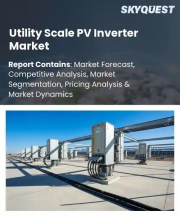
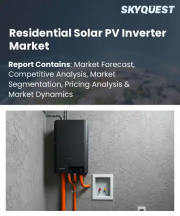
Insightful segmentation reveals how product design, component selection, deployment models, and customer channels interact to shape competitive advantage across the inverter landscape. Based on product classification, distinctions among central PV inverters, micro PV inverters, and string PV inverters drive engineering priorities-central units prioritize high-power thermal management and modular redundancy for utility-scale installations, string solutions balance efficiency and per-string optimization suitable for commercial arrays, and microinverters emphasize module-level maximum power point tracking and simple residential integration. These product differences influence warranty structures, reliability testing protocols, and installation labor considerations.
Based on component analysis, the role of battery integration, capacitors, charge controllers, inverter core electronics, and solar panels is becoming more interdependent; choices in one domain materially affect system-level performance and lifecycle service needs. For example, inverter architectures optimized for battery-coupled systems require tighter thermal design and firmware capabilities than those intended for simple grid-tie applications. Based on type classification, hybrid inverters that natively manage storage, off-grid inverters engineered for isolation and autonomy, and on-grid inverters optimized for continuous grid interconnection each attract distinct buyer segments with differing priorities around islanding, grid-forming capabilities, and export management.
Based on phase, single-phase inverters dominate residential contexts where simplicity and cost are prioritized, while three-phase inverters are essential for larger commercial and industrial loads that demand balanced power delivery and higher capacity. Based on power output segmentation, units rated below 10 kW commonly serve residential rooftops, 10-100 kW and 100-500 kW classes map to commercial and small utility projects with differing installation and maintenance profiles, and above 500 kW solutions require specialized site engineering and grid interconnection planning. Based on sales channel, offline routes remain critical for complex commercial and industrial procurements requiring technical consultation, while online channels accelerate access and standardization for residential buyers. Based on application, commercial, industrial, and residential end markets each prioritize distinct combinations of reliability, total lifecycle cost, and value-added services such as performance monitoring and demand management.
How regional regulatory environments, grid characteristics, and supply chain realities shape product design, certification, and commercial go-to-market strategies across global territories
Regional dynamics are reshaping product requirements, regulatory compliance tasks, and go-to-market strategies across major geographies. In the Americas, policy incentives, renewable procurement targets, and a mix of distributed and utility-scale projects create a robust market for both residential string solutions and large-scale central inverters; localized manufacturing and aftermarket service networks are key differentiators in tender processes. In Europe, Middle East & Africa, grid modernization, variable subsidy regimes, and diverse climatic conditions demand flexible inverter platforms that can operate across strict grid codes, provide reactive power support, and withstand harsh environmental conditions-additionally, retrofit opportunities and commercial rooftop projects are accelerating demand for modular, serviceable designs.
Across Asia-Pacific, rapid renewable capacity additions, aggressive electrification goals, and a wide variance in developer sophistication drive demand for a full spectrum of inverter types from microinverters to high-capacity central units. Supply chain proximity to component manufacturers in the region supports competitive production economics but also increases exposure to regional supply disruptions, prompting strategic inventory and supplier risk management. Each region's regulatory environment and grid architecture shape product certification requirements, warranty expectations, and the emphasis on software-enabled services such as remote diagnostics and fleet management. Manufacturers and channel partners that tailor products and commercial models to regional attributes will capture more resilient opportunity sets and strengthen long-term customer relationships.
Competitive landscape and supplier strategies emphasizing power electronics innovation, software integration, and service differentiation to secure tender wins and long-term contracts
Competitive dynamics in the inverter market reflect a mix of entrenched OEMs, emerging disruptors, and specialized component suppliers, each pursuing distinct strategies around vertical integration, technology differentiation, and service offerings. Leading system suppliers are investing in power electronics innovation, digital platforms for monitoring and asset management, and partnerships that embed inverters within broader energy ecosystems. These firms emphasize proven reliability, extensive service networks, and warranty structures that reduce perceived risk for large-scale developers and commercial customers.
Simultaneously, new entrants are winning share by focusing on specific niches-such as module-level optimization, grid-forming capabilities, or integrated storage management-and by leveraging modern semiconductor technologies to deliver efficiency gains. Component suppliers that provide high-reliability capacitors, advanced charge controllers, and battery management subsystems play a critical role in the performance differential among inverter platforms. Strategic alliances between inverter vendors and software firms are increasing as companies seek to offer value beyond hardware: predictive maintenance, performance-as-a-service, and energy optimization tools are becoming decisive factors in procurement decisions. Ultimately, companies that can combine product durability, service excellence, and software-enabled lifecycle value will command preferential consideration from sophisticated buyers.
Actionable strategic initiatives for vendors to enhance product resilience, regulatory compliance, and service-led differentiation across procurement lifecycles
Industry leaders should adopt a pragmatic set of strategic actions that align product roadmaps with evolving buyer expectations and regulatory realities. Prioritize modular designs that support rapid firmware upgrades and field-replaceable units to minimize downtime and reduce total lifecycle service costs. Invest in interoperability and open communication standards to ensure seamless integration with energy management platforms, storage systems, and utility control frameworks. Simultaneously, expand manufacturing flexibility by developing regional assembly or component sourcing options to reduce tariff exposure and compress lead times.
Commercial strategies should emphasize risk-sharing contract structures, extended service agreements, and performance warranties that demonstrate confidence in product reliability and simplify procurement decisions for large buyers. From a technology perspective, accelerate development of grid-forming capabilities, advanced anti-islanding measures, and cybersecure firmware update mechanisms to meet tightening grid code requirements. Finally, cultivate post-sale service capabilities-remote diagnostics, predictive maintenance analytics, and rapid field support-so that installed base performance becomes a source of recurring revenue and a differentiator in competitive bids. These measures will strengthen market positioning and create resilient pathways through regulatory and supply chain uncertainty.
An evidence-driven research approach combining practitioner interviews, technical benchmarking, and supply chain mapping to validate trends and strategic implications
This research synthesizes primary and secondary inputs to develop a holistic view of the inverter ecosystem and its near-term directional shifts. Primary inputs include structured interviews with installers, project developers, utility representatives, and original equipment manufacturers to capture real-world procurement criteria, operational pain points, and product performance expectations. Secondary inputs encompass technical standards documentation, regulatory updates, patent filings, engineering white papers, and supplier product literature to validate technological trends and certification requirements.
The analytical approach combines qualitative thematic analysis with comparative technical benchmarking. Technology benchmarking evaluates inverter topologies, thermal designs, control algorithms, and interoperability features against observed deployment needs. Supply chain analysis maps component sourcing footprints, lead time sensitivities, and tariff exposure to identify risk-concentration areas. Competitive mapping assesses product portfolios, service offerings, and go-to-market channels to reveal positioning strategies. Throughout, findings are cross-validated with industry practitioners to ensure practical relevance. The result is an evidence-driven narrative that links technical capabilities, commercial strategy, and regulatory context into actionable insights for decision-makers.
Concluding synthesis on why integrating technical innovation, regulatory readiness, and supply chain resilience will determine long-term leadership in inverter deployments
As the PV inverter sector advances, the interplay of technology, regulation, and supply chain structure will determine which vendors and solutions capture sustained adoption. Inverters are no longer commodity power electronics; they are increasingly strategic assets that influence project performance, grid stability, and the economics of integrated renewable and storage systems. Organizations that treat inverter strategy as a cross-functional priority-linking product engineering, regulatory engagement, and after-sales service-will gain an enduring advantage.
Moving forward, stakeholders should expect continued emphasis on multifunctional platforms, software-enabled service models, and supply chain resilience. Those who proactively address grid-code compliance, design for upgradability, and secure their sourcing strategies will be better positioned to navigate policy shifts and capture the complex value generated by modern energy systems. The path to commercial success will be defined by the ability to translate technical innovation into measurable operational improvements and reliable long-term performance for customers.
Table of Contents
1. Preface
- 1.1. Objectives of the Study
- 1.2. Market Definition
- 1.3. Market Segmentation & Coverage
- 1.4. Years Considered for the Study
- 1.5. Currency Considered for the Study
- 1.6. Language Considered for the Study
- 1.7. Key Stakeholders
2. Research Methodology
- 2.1. Introduction
- 2.2. Research Design
- 2.2.1. Primary Research
- 2.2.2. Secondary Research
- 2.3. Research Framework
- 2.3.1. Qualitative Analysis
- 2.3.2. Quantitative Analysis
- 2.4. Market Size Estimation
- 2.4.1. Top-Down Approach
- 2.4.2. Bottom-Up Approach
- 2.5. Data Triangulation
- 2.6. Research Outcomes
- 2.7. Research Assumptions
- 2.8. Research Limitations
3. Executive Summary
- 3.1. Introduction
- 3.2. CXO Perspective
- 3.3. Market Size & Growth Trends
- 3.4. Market Share Analysis, 2025
- 3.5. FPNV Positioning Matrix, 2025
- 3.6. New Revenue Opportunities
- 3.7. Next-Generation Business Models
- 3.8. Industry Roadmap
4. Market Overview
- 4.1. Introduction
- 4.2. Industry Ecosystem & Value Chain Analysis
- 4.2.1. Supply-Side Analysis
- 4.2.2. Demand-Side Analysis
- 4.2.3. Stakeholder Analysis
- 4.3. Porter's Five Forces Analysis
- 4.4. PESTLE Analysis
- 4.5. Market Outlook
- 4.5.1. Near-Term Market Outlook (0-2 Years)
- 4.5.2. Medium-Term Market Outlook (3-5 Years)
- 4.5.3. Long-Term Market Outlook (5-10 Years)
- 4.6. Go-to-Market Strategy
5. Market Insights
- 5.1. Consumer Insights & End-User Perspective
- 5.2. Consumer Experience Benchmarking
- 5.3. Opportunity Mapping
- 5.4. Distribution Channel Analysis
- 5.5. Pricing Trend Analysis
- 5.6. Regulatory Compliance & Standards Framework
- 5.7. ESG & Sustainability Analysis
- 5.8. Disruption & Risk Scenarios
- 5.9. Return on Investment & Cost-Benefit Analysis
6. Cumulative Impact of United States Tariffs 2025
7. Cumulative Impact of Artificial Intelligence 2025
8. PV Inverter Market, by Product
- 8.1. Central PV Inverter
- 8.2. Micro PV Inverter
- 8.3. String PV Inverter
9. PV Inverter Market, by Component
- 9.1. Battery
- 9.2. Capacitor
- 9.3. Charge Controller
- 9.4. Inverter
- 9.5. Solar Panel
10. PV Inverter Market, by Type
- 10.1. Hybrid Inverter
- 10.2. Off Grid Inverter
- 10.3. On Grid Inverter
11. PV Inverter Market, by Phase
- 11.1. Single-Phase Inverter
- 11.2. Three-Phase Inverter
12. PV Inverter Market, by Power Output
- 12.1. 10-100 kW
- 12.2. 100-500 kW
- 12.3. Above 500 kW
- 12.4. Below 10 kW
13. PV Inverter Market, by Sales Channel
- 13.1. Offline
- 13.2. Online
14. PV Inverter Market, by Application
- 14.1. Commercial
- 14.2. Industrial
- 14.3. Residential
15. PV Inverter Market, by Region
- 15.1. Americas
- 15.1.1. North America
- 15.1.2. Latin America
- 15.2. Europe, Middle East & Africa
- 15.2.1. Europe
- 15.2.2. Middle East
- 15.2.3. Africa
- 15.3. Asia-Pacific
16. PV Inverter Market, by Group
- 16.1. ASEAN
- 16.2. GCC
- 16.3. European Union
- 16.4. BRICS
- 16.5. G7
- 16.6. NATO
17. PV Inverter Market, by Country
- 17.1. United States
- 17.2. Canada
- 17.3. Mexico
- 17.4. Brazil
- 17.5. United Kingdom
- 17.6. Germany
- 17.7. France
- 17.8. Russia
- 17.9. Italy
- 17.10. Spain
- 17.11. China
- 17.12. India
- 17.13. Japan
- 17.14. Australia
- 17.15. South Korea
18. United States PV Inverter Market
19. China PV Inverter Market
20. Competitive Landscape
- 20.1. Market Concentration Analysis, 2025
- 20.1.1. Concentration Ratio (CR)
- 20.1.2. Herfindahl Hirschman Index (HHI)
- 20.2. Recent Developments & Impact Analysis, 2025
- 20.3. Product Portfolio Analysis, 2025
- 20.4. Benchmarking Analysis, 2025
- 20.5. AISWEI Technology Co., Ltd.
- 20.6. Beijing Hiconics Eco-energy Technology Co., Ltd.
- 20.7. CPS North America. Chint Power Global
- 20.8. Delta Electronics, Inc
- 20.9. FIMER S.p.A.
- 20.10. Fronius International GmbH
- 20.11. FSP GROUP
- 20.12. General Electric Company
- 20.13. Ginlong Technologies Co.,Ltd.
- 20.14. GoodWe Technologies Co., Ltd.
- 20.15. HIOKI E.E. CORPORATION
- 20.16. Infineon Technologies AG
- 20.17. Ingeteam S.A.
- 20.18. Omron Corporation
- 20.19. REFU Elektronik GmbH
- 20.20. Schneider Electric SE
- 20.21. Siemens Energy AG
- 20.22. Sineng Electric Co., Ltd.
- 20.23. SMA Solar Technology AG
- 20.24. SOFARSOLAR Co.,Ltd.
- 20.25. SolarEdge Technologies, Inc.
- 20.26. SolaX Power Global
- 20.27. Solectria Renewables, LLC by Yaskawa America, Inc.
- 20.28. SPARQ Systems Inc.
- 20.29. Sungrow Power Supply Co., Ltd.
- 20.30. SunPower Corporation
- 20.31. Tabuchi Electric Co., Ltd.
- 20.32. Xiamen Kehua Digital Energy Tech Co.,Ltd