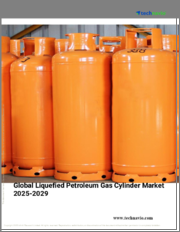
|
시장보고서
상품코드
2014929
LPG 실린더 제조 시장 : 제품 유형, 재질, 밸브 유형, 인증, 최종 사용자, 유통 채널별 - 세계 예측(2026-2032년)LPG Cylinder Manufacturing Market by Product Type, Material, Valve Type, Certification, End User, Distribution Channel - Global Forecast 2026-2032 |
||||||
 360iResearch
LPG 실린더 제조 시장은 2025년에 35억 3,000만 달러로 평가되었습니다. 2026년에는 36억 8,000만 달러로 성장하고 CAGR 5.58%를 나타내, 2032년까지 51억 7,000만 달러에 이를 것으로 예측됩니다.
| 주요 시장 통계 | |
|---|---|
| 기준 연도(2025년) | 35억 3,000만 달러 |
| 추정 연도(2026년) | 36억 8,000만 달러 |
| 예측 연도(2032년) | 51억 7,000만 달러 |
| CAGR(%) | 5.58% |
규제 압력, 재료 혁신 및 진화하는 유통 모델 속에서 현대의 LPG 실린더 제조 환경을 포착한 날카로운 업계 개요
LPG 실린더 제조 산업은 점진적인 혁신과 규제 당국의 감시 강화, 그리고 변화하는 소비자의 기대가 교차하는 교차로에 서 있습니다. 제조업체들은 재료 과학의 발전, 안전 기준과 인증 제도의 강화, 그리고 편의성과 추적성을 우선시하는 유통 모델의 진화로 형성되는 환경을 모색하고 있습니다. 이러한 배경에서 원자재 가격 변동과 물류 혼란에 대한 내성을 원하는 기업에게 공급망 안정성과 공급업체 다변화는 단순한 운영상의 선택이 아닌 전략적 필수 요건으로 변화하고 있습니다.
재료 혁신, 디지털 혁신, 규제 강화가 어떻게 결합하여 LPG 실린더 제조의 생산, 유통, 서비스 모델을 근본적으로 재구축하고 있는가?
최근 몇 년 동안 재료공학, 디지털화, 그리고 안전과 지속가능성에 대한 이해관계자들의 기대가 동시에 발전함에 따라 LPG 실린더 산업 전반에 걸쳐 혁신적인 변화가 일어나고 있습니다. 복합재 실린더는 경량화와 내식성으로 주목받고 있으며, 새로운 이용 사례를 가능하게 하는 한편, 제조 능력과 품질 보증 체계의 혁신이 요구되고 있습니다. 동시에 밸브 기술과 씰링 시스템의 점진적인 개선으로 인해 특히 고압 응용 분야와 산업 응용 분야에서 성능에 대한 요구 수준이 높아지고 있습니다.
새로운 관세 조치가 LPG 실린더 가치사슬 전반의 조달, 생산 결정 및 공급업체 다변화에 미치는 누적된 경제적, 전략적 영향
2025년에 시행된 관세 조치는 LPG 실린더 및 그 구성품공급망 전반에 걸쳐 비용 구조와 조달 결정에 큰 변화를 가져왔습니다. 특정 원자재 및 완제품 조립품에 부과된 수입 관세는 전 세계 공급업체들 간의 비교우위를 변화시키고, 조달 전략의 재평가를 촉발시켰으며, 지역별 생산기지 최적화에 대한 논의를 가속화했습니다. 많은 제조업체들은 현지 조달 옵션 검토, 공급업체 계약 재협상, 경제적으로 실현 가능한 범위 내에서 수직적 통합을 가속화하는 등의 대응을 하고 있습니다.
제품 유형, 재료, 밸브, 인증, 최종 사용자, 유통 채널이 어떻게 경쟁 차별화와 사업 우선순위를 결정하는지를 보여주는 상세한 세분화 분석
세분화에 대한 인사이트는 제품 디자인 선택, 재료, 밸브 구성, 인증 차이, 최종 사용자 프로파일 및 유통 접근 방식이 어떻게 경쟁적 포지셔닝과 투자 우선순위를 공동으로 형성하고 있는지를 보여줍니다. 제품 유형에 따라 제조업체는 복합재, 심리스 및 용접 실린더의 각 기술의 균형을 맞출 필요가 있으며, 복합재 설계는 풀 랩 구조와 후프 랩 구조로 세분화되고, 심리스 설계는 고압 형과 표준 압력 형의 변형에 따라 세분화됩니다. 이러한 제품의 차이는 설비 투자 요구, 테스트 프로토콜 및 애프터 서비스 제공에 영향을 미칩니다. 소재에 따라 알루미늄, 복합재, 강재의 선택은 무게, 내식성, 재활용성, 원자재 비용의 위험성에서 절충점을 가져옵니다. 각 소재 경로에는 고유한 공급업체 생태계와 가공 능력이 필요합니다. 밸브 유형에 따라 이중 밸브와 단일 밸브 구성의 선택은 안전 메커니즘과 조립의 복잡성에 영향을 미치며, 이는 교육, 검사 시스템 및 예비 부품의 물류에 영향을 미칩니다. 인증에 따라 ISO 인증 획득과 미획득의 분류는 시장 진입과 상업적 수용성에 영향을 미칩니다. 인증을 받은 공급업체는 문서화된 컴플라이언스를 요구하는 기관 및 산업 채널에서 더 유리한 입지를 확보할 수 있습니다. 최종 사용자에 따라 상업, 산업, 주거 부문별로 제품 및 서비스 요구 사항이 다릅니다. 상업용으로는 호텔과 레스토랑, 산업용으로는 제조업과 발전소, 주거용으로는 아파트와 단독주택이 포함되며, 각각 고유한 배송 주기와 책임에 대한 고려사항이 있습니다. 유통 채널에 따라 직접 판매, 도매상, 온라인 소매상 중에서 선택하는 것은 수익률 구조와 고객 참여 모델에 영향을 미칩니다. 온라인 소매업체는 구독 및 추적 서비스를 가능하게 하는 EC 플랫폼과 제조업체 포털로 세분화됩니다. 이를 종합하면, 이러한 세분화 축은 시장 진출 전략, 연구개발(R&&D) 우선순위 결정, 애프터서비스 설계에 있어 서로 깊이 의존하는 형태로 가이드라인이 될 수 있습니다.
제조 거점, 컴플라이언스 전략, 유통 설계 결정, 미주, 유럽, 유럽, 중동/아프리카, 아시아태평양의 지역별 경쟁 환경과 규제의 미묘한 차이
지역별 동향은 생산 거점, 컴플라이언스 대응, 시장 진출 전략 수립에 있어 전략적 선택에 큰 영향을 미칩니다. 북미와 남미에서는 성숙한 산업 수요 기반과 탄탄한 소매 채널이 공존하여 대규모 산업용 실린더의 도입과 소비자 충전 모델을 모두 지원하고 있습니다. 규제 프레임워크는 추적성과 안전 검사를 중시하고, 물류 네트워크는 허브 앤 스포크형 유통을 선호하는 경향이 있으며, 이는 지역별로 최종 마무리가 이루어지는 중앙 집중식 제조에 유리하게 작용합니다. 유럽, 중동 및 아프리카에서는 규제 불균일성과 인증 제도의 차이로 인해 적응형 컴플라이언스 전략과 지역별 제품 변형이 요구되고 있습니다. 한편, 호텔 산업과 분산형 에너지 용도에 대한 수요는 첨단 안전 기능과 엄격한 테스트 기록에 대한 관심을 높이고 있습니다. 아시아태평양에서는 급속한 도시화, 다양한 최종 사용자의 요구, 지속적인 인프라 투자가 주거용 및 산업용 실린더의 성장을 가속하고 있으며, 특히 비용 효율적인 제조 및 확장 가능한 유통 네트워크에 중점을 두고 있습니다.
주요 제조업체의 운영 및 전략적 특징 : 통합, 품질 시스템, 디지털 서비스, 파트너십을 통해 회복탄력성과 경쟁 우위를 창출하는 방법
LPG 실린더 업계의 주요 기업들은 사업 확장, 혁신, 리스크 관리에 있어 독자적인 접근 방식을 보여주고 있습니다. 중요한 원재료를 관리하고 제조의 연속성을 확보하기 위해 수직계열화를 우선시하는 기업이 있는가 하면, 막대한 설비투자 없이 제품의 진화를 가속화하기 위해 소재 개발 기업이나 밸브 전문 기업과의 전략적 파트너십에 집중하는 기업도 있습니다. 품질로 차별화를 꾀하는 기업들은 편차를 줄이고 엄격해지는 인증 요건을 충족하기 위해 인증 시험 시설과 자동 검사 시스템에 많은 투자를 하고 있습니다. 반면, 비용 리더십을 중시하는 기업들은 가격 압박 속에서도 수익률을 유지하기 위해 프로세스 최적화, 린 생산 방식, 공급망 민첩성에 초점을 맞추었습니다.
경영진이 전략적 투자를 통해 비즈니스 민첩성을 높이고, 공급망 리스크를 줄이며, 서비스 기반 수익 기회를 포착할 수 있는 실용적 제안
업계 리더는 제품 개발, 조달 및 비즈니스 모델을 신흥 시장의 현실에 맞게 조정하는 일관된 전략을 우선시해야 합니다. 첫째, 원자재 가용성 및 비용 변화에 따라 철강, 알루미늄, 복합재 등 다양한 경로로 생산을 전환할 수 있도록 소재 및 공정 유연성에 투자합니다. 둘째, 이중 소싱과 전략적 장기 계약을 통해 보다 견고한 공급업체 생태계를 구축하여 관세와 물류 변동으로부터 사업을 보호해야 합니다. 셋째, 추적성 향상, 원격 진단 실현, 소비자 직접 판매 채널 지원으로 이어지는 디지털 기능의 도입을 가속화해야 합니다. 이러한 기능들은 안전성을 높이고 새로운 서비스 수익원을 창출합니다.
1차 인터뷰, 표준 검토, 비교 분석을 결합한 투명하고 엄격한 조사 방법을 통해 기술적, 규제적, 상업적 지식을 검증합니다.
이번 조사는 업계 실무자, 기술 전문가, 규제 당국 전문가를 대상으로 한 1차 정성적 인터뷰와 공개된 표준, 특허 출원, 무역 데이터에 대한 2차 조사를 통합하여 진행되었습니다. 1차 조사에서는 설계 엔지니어, 공장장, 조달 책임자, 유통업체와의 구조화된 토론을 통해 제조 공정, 재료 선택, 유통 채널 동향에 대한 가설을 검증했습니다. 2차 조사에서는 업계 표준 문서, 안전 규정, 기술 동향 보고서, 규제 및 기술 관찰 결과를 뒷받침하는 산업 표준 문서, 안전 규정, 기술 동향 보고서를 종합적으로 조사했습니다.
진화하는 LPG 실린더 시장에서 성공하기 위해서는 운영 탄력성, 인증 강화, 서비스 혁신을 결합하는 것이 필수적이라는 점을 강조하고, 결론적으로 전략적 통합을 강조합니다.
결론적으로, LPG 실린더 제조 부문은 재료 혁신, 디지털화 추진, 규제 강화, 유통 경제의 변혁에 힘입어 다각적인 변화의 한가운데에 있습니다. 이러한 요인들은 생산 능력의 위치, 선호하는 제품 유형, 그리고 기업이 서비스 및 인증을 통해 가치를 창출하는 방법을 재구성하고 있습니다. 조달, 엔지니어링 및 상업 전략을 적극적으로 조정하는 조직은 관세로 인한 비용 압박에 대응하고 새로운 서비스 중심 수익 모델을 활용하는 데 있어 더 유리한 위치에 서게 될 것입니다.
자주 묻는 질문
목차
제1장 서문
제2장 조사 방법
제3장 주요 요약
제4장 시장 개요
제5장 시장 인사이트
제6장 미국의 관세 누적 영향(2025년)
제7장 AI의 누적 영향(2025년)
제8장 LPG 실린더 제조 시장 : 제품 유형별
제9장 LPG 실린더 제조 시장 : 소재별
제10장 LPG 실린더 제조 시장 : 밸브 유형별
제11장 LPG 실린더 제조 시장 : 인증별
제12장 LPG 실린더 제조 시장 : 최종 사용자별
제13장 LPG 실린더 제조 시장 : 유통 채널별
제14장 LPG 실린더 제조 시장 : 지역별
제15장 LPG 실린더 제조 시장 : 그룹별
제16장 LPG 실린더 제조 시장 : 국가별
제17장 미국의 LPG 실린더 제조 시장
제18장 중국의 LPG 실린더 제조 시장
제19장 경쟁 구도
KTH 26.05.04The LPG Cylinder Manufacturing Market was valued at USD 3.53 billion in 2025 and is projected to grow to USD 3.68 billion in 2026, with a CAGR of 5.58%, reaching USD 5.17 billion by 2032.
| KEY MARKET STATISTICS | |
|---|---|
| Base Year [2025] | USD 3.53 billion |
| Estimated Year [2026] | USD 3.68 billion |
| Forecast Year [2032] | USD 5.17 billion |
| CAGR (%) | 5.58% |
An incisive industry introduction framing the contemporary LPG cylinder manufacturing environment amid regulatory pressure, material innovation, and evolving distribution models
The LPG cylinder manufacturing sector stands at a crossroads where incremental innovation converges with heightened regulatory scrutiny and shifting consumer expectations. Manufacturers are navigating a terrain shaped by material science advances, intensified safety and certification regimes, and evolving distribution models that prioritize convenience and traceability. Against this backdrop, supply chain reliability and supplier diversification have moved from operational preferences to strategic imperatives as firms seek resilience against raw material volatility and logistics disruptions.
Technological trajectories are redefining product lifecycles, with composite materials and refined valve designs improving portability and lifecycle safety while prompting changes in manufacturing capital investment patterns. Regulatory agencies and standards bodies are mandating enhanced testing, documentation, and certification pathways, which create both compliance burdens and competitive differentiation opportunities for firms that can demonstrate superior quality control. At the same time, end users increasingly expect integrated services-such as subscription refills and online ordering-that reframe cylinders as nodes in a broader fuel-delivery ecosystem.
In sum, this introduction situates the industry within an interconnected set of drivers that collectively shape strategic priorities. For leaders, clarity about technological, regulatory, and distribution dynamics is essential to prioritize investments that reduce risk, unlock operational efficiencies, and capture new service-based revenue streams.
How material innovation, digital transformation, and regulatory tightening are converging to fundamentally reshape production, distribution, and service models in LPG cylinder manufacturing
Recent years have produced transformative shifts across the LPG cylinder landscape, driven by concurrent advances in materials engineering, digital enablement, and stakeholder expectations for safety and sustainability. Composite cylinders are garnering attention for weight reduction and corrosion resistance, which enables new use cases while also demanding updated manufacturing competencies and quality assurance frameworks. Simultaneously, incremental improvements in valve technology and sealing systems are raising the threshold for performance, especially in high-pressure and industrial applications.
Digital transformation has altered commercial dynamics as well, creating pathways for direct-to-consumer refill models and enabling better tracking of cylinder lifecycle through telemetry and RFID integration. These technologies improve inventory visibility and safety compliance, but they also require new partnerships between manufacturers, distributors, and software providers. On the regulatory front, jurisdictions are tightening certification and testing protocols, which increases the importance of documented traceability and third-party validation.
Moreover, supply chain realignments-marked by nearshoring and supplier dual-sourcing-are reshaping cost structures and lead times. Taken together, these trends signal a pivot from commodity-based competition to capability-based differentiation where manufacturers that invest in material science, digital controls, and compliance are positioned to capture premium segments and long-term customer relationships.
The cumulative economic and strategic impact of new tariff measures on procurement, production decisions, and supplier diversification across the LPG cylinder value chain
Tariff actions implemented in 2025 have introduced meaningful shifts in cost structures and sourcing decisions across the supply chain for LPG cylinders and their component inputs. Import duties applied to select raw materials and finished assemblies altered comparative advantages among global suppliers, prompting a reevaluation of procurement strategies and accelerating conversations about regional production footprint optimization. Many manufacturers responded by examining local sourcing options, renegotiating supplier agreements, and accelerating vertical integration where economically feasible.
The tariff environment has also influenced capital allocation decisions. Firms assessing refurbishment or capacity-expansion projects incorporated revised landed-cost calculations and longer payback windows into approval models. For some manufacturers, the tariffs incentivized technology investments that reduce material waste and increase yield to offset higher input costs. For distributors and downstream partners, increased landed costs pressed the case for value-added services that justify higher prices, such as extended safety warranties and managed refill programs.
Importantly, the tariffs catalyzed risk management adaptations. Companies with diversified supplier pools and flexible production platforms were better able to mitigate short-term disruptions, while those with concentrated sourcing faced near-term margin pressure. In this environment, strategic responses gravitated toward supplier diversification, adoption of alternative materials where feasible, and deeper collaboration between procurement, engineering, and sales functions to preserve competitiveness.
Deep segmentation intelligence showing how product types, materials, valves, certifications, end users, and distribution channels determine competitive differentiation and operational priorities
Segmentation insights reveal how product design choices, materials, valve configurations, certification distinctions, end-user profiles, and distribution approaches jointly shape competitive positioning and investment priorities. Based on product type, manufacturers must balance composite, seamless, and welded cylinder technologies, with composite designs further differentiated into fully wrapped and hoop wrapped constructions, and seamless designs segmented by high pressure and standard pressure variants. These product distinctions affect capital equipment needs, testing protocols, and aftercare service offerings. Based on material, choices between aluminum, composite, and steel drive trade-offs in weight, corrosion resistance, recyclability, and raw material cost exposure; each material pathway necessitates distinct supplier ecosystems and processing capabilities. Based on valve type, the decision between double valve and single valve configurations influences safety mechanisms and assembly complexity, which in turn affects training, inspection regimes, and spare-part logistics. Based on certification, ISO certified and non certified classifications carry implications for market access and commercial acceptance, with certified suppliers better positioned for institutional and industrial channels that demand documented compliance. Based on end user, product and service requirements vary across commercial, industrial, and residential segments; commercial applications include hotels and restaurants, industrial applications include manufacturing and power plants, and residential applications include both apartments and single family homes, each with unique delivery cadence and liability considerations. Based on distribution channel, the choice among direct sales, distributors, and online retailers affects margin structures and customer engagement models, with online retailers decomposed into e-commerce platforms and manufacturer portals that enable subscription and traceability services. Taken together, these segmentation axes inform go-to-market choices, R&D prioritization, and aftermarket service design in ways that are deeply interdependent.
Regional competitive and regulatory nuances across the Americas, Europe Middle East & Africa, and Asia-Pacific that determine manufacturing location, compliance strategy, and distribution design
Regional dynamics materially shape strategic choices in production location, compliance approach, and go-to-market design. In the Americas, a mix of mature industrial demand centers and robust retail channels supports both large-scale industrial cylinder deployments and consumer-focused refill models; regulatory frameworks emphasize traceability and safety inspections, and logistics networks favor hub-and-spoke distribution that benefits centralized manufacturing with regional finishing. In Europe, Middle East & Africa, regulatory heterogeneity and divergent certification regimes require adaptive compliance strategies and region-specific product variants; meanwhile, demand in hospitality and distributed energy applications drives interest in premium safety features and robust testing documentation. In the Asia-Pacific region, rapid urbanization, diverse end-user needs, and ongoing infrastructure investments propel growth in both residential and industrial cylinders, with a pronounced focus on cost-efficient manufacturing and scalable distribution networks.
Across these geographies, competition varies between vertically integrated manufacturers and specialized component suppliers, influencing collaboration patterns and partnership models. Investors and managers must therefore consider regional regulatory trajectories, logistics economics, and end-user behavior when determining where to locate capacity, which product versions to prioritize, and how to structure distribution agreements to match local market expectations.
Operational and strategic fingerprints of key manufacturers showing how integration, quality systems, digital services, and partnerships drive resilience and competitive advantage
Leading companies in the LPG cylinder landscape demonstrate distinct approaches to scaling, innovation, and risk management. Some have prioritized vertical integration to control critical inputs and secure manufacturing continuity, while others focus on strategic partnerships with material innovators and valve specialists to accelerate product evolution without heavy capital outlays. Firms that differentiate on quality invest significantly in accredited testing facilities and automated inspection systems to reduce variability and meet tightening certification requirements. Conversely, companies emphasizing cost leadership concentrate on process optimization, lean manufacturing practices, and supply chain agility to sustain margins under price pressure.
Another axis of differentiation is service orientation: companies expanding into managed-refill programs and digital customer experiences capture recurring revenue and deepen customer relationships, thereby increasing lifetime value. Strategic collaborations between manufacturers and logistics providers can improve refill turnaround times and reduce idle asset periods. Finally, organizational culture and talent orientation play a role; firms that cultivate cross-functional teams linking procurement, engineering, and compliance tend to respond more nimbly to tariff shifts and regulatory changes. For executives evaluating competitors or potential partners, attention to these operational choices provides insight into resilience and long-term growth potential.
Actionable recommendations for executives to increase operational agility, reduce supply chain risk, and capture service-based revenue opportunities through strategic investments
Industry leaders should prioritize a coherent strategy that aligns product development, procurement, and commercial models to emerging market realities. First, invest in material and process flexibility so production can pivot between steel, aluminum, and composite pathways as raw material availability and cost change. Second, build stronger supplier ecosystems through dual sourcing and strategic long-term agreements to insulate operations from tariff and logistics volatility. Third, accelerate adoption of digital capabilities that improve traceability, enable remote diagnostics, and support direct-to-consumer sales channels; these capabilities enhance safety and create new service revenue streams.
Additionally, pursue a layered certification strategy that secures third-party approvals for target markets while maintaining efficient internal quality control to reduce inspection throughput times. Expand aftermarket service offerings such as managed refill subscriptions, safety-check programs, and spare-part digitization to improve margins and customer stickiness. Finally, adopt scenario-based capital planning that accommodates policy shifts and cost volatility, and prioritize cross-functional governance mechanisms that coordinate procurement, engineering, and commercial teams for faster, more effective decision-making. These measures collectively enhance operational agility and position organizations to capture opportunities in a fast-evolving landscape.
Transparent and rigorous research methodology combining primary interviews, standards review, and comparative analysis to validate technical, regulatory, and commercial insights
This study synthesizes primary qualitative interviews with industry practitioners, technical specialists, and regulatory experts together with secondary research into publicly available standards, patent filings, and trade data. Primary engagements included structured discussions with design engineers, plant managers, procurement leaders, and distributors to validate assumptions about manufacturing processes, material choices, and channel dynamics. Secondary sources covered industry standards documentation, safety regulations, and technology trend reports to corroborate regulatory and technical observations.
Analytical methods combined cross-sectional comparative analysis of production technologies, scenario assessments of tariff and supply chain impacts, and qualitative coding of interview transcripts to surface recurring themes and strategic implications. Where applicable, triangulation techniques were used to reconcile differing perspectives between suppliers and end users. Quality assurance included peer review by subject-matter experts and iterative fact-checking against regulatory texts and technical guidelines. Throughout, the approach emphasized transparency of assumptions and traceability of evidence to support robust, actionable conclusions for executives and operational leaders.
Concluding strategic synthesis emphasizing the imperative to combine operational resilience, certification rigor, and service innovation to succeed in the evolving LPG cylinder market
In conclusion, the LPG cylinder manufacturing sector is undergoing a multi-dimensional transformation driven by material innovation, digital enablement, regulatory tightening, and evolving distribution economics. These forces are reshaping where capacity is located, what product variants are prioritized, and how companies capture value through services and certifications. Organizations that proactively align procurement, engineering, and commercial strategies will be better positioned to manage tariff-induced cost pressures and to capitalize on new service-driven revenue models.
Resilience requires a balanced approach of tactical operational improvements and strategic investments: optimizing supplier portfolios and production processes to manage near-term cost volatility, while also committing to technology and certification efforts that unlock differentiated positioning over the medium term. Executives should treat safety and traceability as strategic assets, not just compliance obligations, because they underpin access to institutional customers and premium channels. Ultimately, the ability to translate technical capability into reliable, service-oriented offerings will determine winners in the evolving LPG cylinder landscape.
Table of Contents
1. Preface
- 1.1. Objectives of the Study
- 1.2. Market Definition
- 1.3. Market Segmentation & Coverage
- 1.4. Years Considered for the Study
- 1.5. Currency Considered for the Study
- 1.6. Language Considered for the Study
- 1.7. Key Stakeholders
2. Research Methodology
- 2.1. Introduction
- 2.2. Research Design
- 2.2.1. Primary Research
- 2.2.2. Secondary Research
- 2.3. Research Framework
- 2.3.1. Qualitative Analysis
- 2.3.2. Quantitative Analysis
- 2.4. Market Size Estimation
- 2.4.1. Top-Down Approach
- 2.4.2. Bottom-Up Approach
- 2.5. Data Triangulation
- 2.6. Research Outcomes
- 2.7. Research Assumptions
- 2.8. Research Limitations
3. Executive Summary
- 3.1. Introduction
- 3.2. CXO Perspective
- 3.3. Market Size & Growth Trends
- 3.4. Market Share Analysis, 2025
- 3.5. FPNV Positioning Matrix, 2025
- 3.6. New Revenue Opportunities
- 3.7. Next-Generation Business Models
- 3.8. Industry Roadmap
4. Market Overview
- 4.1. Introduction
- 4.2. Industry Ecosystem & Value Chain Analysis
- 4.2.1. Supply-Side Analysis
- 4.2.2. Demand-Side Analysis
- 4.2.3. Stakeholder Analysis
- 4.3. Porter's Five Forces Analysis
- 4.4. PESTLE Analysis
- 4.5. Market Outlook
- 4.5.1. Near-Term Market Outlook (0-2 Years)
- 4.5.2. Medium-Term Market Outlook (3-5 Years)
- 4.5.3. Long-Term Market Outlook (5-10 Years)
- 4.6. Go-to-Market Strategy
5. Market Insights
- 5.1. Consumer Insights & End-User Perspective
- 5.2. Consumer Experience Benchmarking
- 5.3. Opportunity Mapping
- 5.4. Distribution Channel Analysis
- 5.5. Pricing Trend Analysis
- 5.6. Regulatory Compliance & Standards Framework
- 5.7. ESG & Sustainability Analysis
- 5.8. Disruption & Risk Scenarios
- 5.9. Return on Investment & Cost-Benefit Analysis
6. Cumulative Impact of United States Tariffs 2025
7. Cumulative Impact of Artificial Intelligence 2025
8. LPG Cylinder Manufacturing Market, by Product Type
- 8.1. Composite
- 8.1.1. Fully Wrapped
- 8.1.2. Hoop Wrapped
- 8.2. Seamless
- 8.2.1. High Pressure
- 8.2.2. Standard Pressure
- 8.3. Welded
9. LPG Cylinder Manufacturing Market, by Material
- 9.1. Aluminum
- 9.2. Composite
- 9.3. Steel
10. LPG Cylinder Manufacturing Market, by Valve Type
- 10.1. Double Valve
- 10.2. Single Valve
11. LPG Cylinder Manufacturing Market, by Certification
- 11.1. ISO Certified
- 11.2. Non Certified
12. LPG Cylinder Manufacturing Market, by End User
- 12.1. Commercial
- 12.1.1. Hotels
- 12.1.2. Restaurants
- 12.2. Industrial
- 12.2.1. Manufacturing
- 12.2.2. Power Plants
- 12.3. Residential
- 12.3.1. Apartments
- 12.3.2. Single Family Homes
13. LPG Cylinder Manufacturing Market, by Distribution Channel
- 13.1. Direct Sales
- 13.2. Distributors
- 13.3. Online Retailers
- 13.3.1. E Commerce Platforms
- 13.3.2. Manufacturer Portals
14. LPG Cylinder Manufacturing Market, by Region
- 14.1. Americas
- 14.1.1. North America
- 14.1.2. Latin America
- 14.2. Europe, Middle East & Africa
- 14.2.1. Europe
- 14.2.2. Middle East
- 14.2.3. Africa
- 14.3. Asia-Pacific
15. LPG Cylinder Manufacturing Market, by Group
- 15.1. ASEAN
- 15.2. GCC
- 15.3. European Union
- 15.4. BRICS
- 15.5. G7
- 15.6. NATO
16. LPG Cylinder Manufacturing Market, by Country
- 16.1. United States
- 16.2. Canada
- 16.3. Mexico
- 16.4. Brazil
- 16.5. United Kingdom
- 16.6. Germany
- 16.7. France
- 16.8. Russia
- 16.9. Italy
- 16.10. Spain
- 16.11. China
- 16.12. India
- 16.13. Japan
- 16.14. Australia
- 16.15. South Korea
17. United States LPG Cylinder Manufacturing Market
18. China LPG Cylinder Manufacturing Market
19. Competitive Landscape
- 19.1. Market Concentration Analysis, 2025
- 19.1.1. Concentration Ratio (CR)
- 19.1.2. Herfindahl Hirschman Index (HHI)
- 19.2. Recent Developments & Impact Analysis, 2025
- 19.3. Product Portfolio Analysis, 2025
- 19.4. Benchmarking Analysis, 2025
- 19.5. APARB Cylinders Private Limited
- 19.6. Chart Industries, Inc.
- 19.7. Faber Industrie S.p.A
- 19.8. Galaxy Gas Cylinders Private Limited
- 19.9. Hangzhou Huatai Gas Equipment Co., Ltd.
- 19.10. Jiangsu Special Gas Equipment Co., Ltd.
- 19.11. Luxfer Holdings PLC
- 19.12. Shri Ram Cylinders Limited
- 19.13. Suraj Industrial Corporation Private Limited
- 19.14. Worthington Industries, Inc.