|
시장보고서
상품코드
2092188
PVC 식품용 랩 시장 예측(2026-2032년)PVC Cling Film Market - Global Forecast 2026-2032 |
||||||
 360iResearch
PVC 식품용 랩 시장은 2032년까지 연평균 복합 성장률(CAGR) 8.61%로 13억 7,642만 달러 규모로 확대될 것으로 예측됩니다.
| 주요 시장 통계 | |
|---|---|
| 기준 연도 : 2025년 | 7억 7,193만 달러 |
| 추정 연도 : 2026년 | 8억 1,830만 달러 |
| 예측 연도 : 2032년 | 13억 7,642만 달러 |
| CAGR(%) | 8.61% |
PVC 식품용 랩 시장 개요
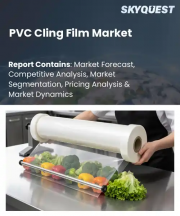
PVC 식품용 랩은 폴리염화비닐(PVC)을 기반으로 한 유연한 식품 포장재로, 높은 투명성, 뛰어난 밀착성, 내천자성, 그리고 신뢰할 수 있는 산소 및 수분 차단 성능으로 높이 평가받고 있습니다. 제품의 가시성, 분량 관리, 위생 및 유통기한 확보가 필수적인 소매 식품 포장, 외식 산업, 가정용 보관 및 산업용 포장 분야에서 널리 사용되고 있습니다. 수요는 포장된 신선식품, 육류 및 수산물 포장, 제빵 제품 및 유제품 용도, 즉석식품 조리, 그리고 콜드체인 물류와 밀접한 관련이 있습니다. 한편, 이 분야에서는 플라스틱 폐기물, 가소제의 안전성, 식품 접촉 적합성, 그리고 사용 후 관리에 대한 감시가 더욱 엄격해지고 있습니다. 그 결과, 규제 압력, 소재 혁신, 두께 감소, 재활용에 대응한 포장 설계, 그리고 추적성 및 책임 있는 조달에 대한 기대감의 고조로 인해 PVC 식품용 랩 시장 환경이 재편되고 있습니다. 업계 관계자들은 식품 안전성과 업무 효율성을 유지하면서 원료 사용량을 줄이고, 지속적으로 발전하는 지속가능성 목표를 뒷받침하는 고성능 필름을 우선적으로 선택하고 있습니다.
PVC 식품용 랩 업계의 혁신적인 변화
PVC 식품용 랩 업계는 기존의 범용 포장재에서 성능이 최적화되고 규제 준수를 중시하는 식품 포장재로 구조적인 전환을 이루고 있습니다. 식품 소매업체와 외식업체는 냉장 및 상온 조건에서 일관된 신축성, 밀봉성, 투명성 및 김서림 방지 성능을 발휘하는 필름을 원하고 있습니다. 일회용 플라스틱, 식품 접촉 재료, 프탈레이트류, 포장 폐기물에 관한 규제 동향에 따라, 보다 안전한 가소제 시스템, 투명성이 높은 표시, 그리고 보다 지속 가능한 포장 형태로의 전환이 가속화되고 있습니다. 각 제조업체는 필름의 두께를 얇게 만들고, 수지 및 첨가제의 선정을 개선하며, 이물질 발생을 줄인 배합을 적용하고, 에너지 및 자재 소비량을 절감하는 공정 효율화를 통해 이러한 변화에 대응하고 있습니다. 또한, 온라인 식품 판매, 식사 배달 및 현대적인 소매 형태 역시 변조 방지 기능, 누출 방지 성능 및 신선도 유지 기간 연장에 대한 수요를 높임으로써 포장 요건에 영향을 미치고 있습니다. 이러한 변화로 인해 PVC 식품용 랩 공급업체들은 가격뿐만 아니라 기술적 신뢰성, 규제 대응 능력, 지속가능성 실적, 그리고 자동 포장 시스템과의 호환성 등의 측면에서 경쟁을 벌여야 하는 상황에 놓여 있습니다.
PVC 식품용 랩에 대한 인공지능의 누적 영향
인공지능(AI)은 PVC 식품용 랩의 생산, 품질 보증 및 공급망 계획에 점점 더 큰 영향을 미치고 있습니다. 압출 성형 및 가공 공정에서 AI를 활용한 공정 분석을 통해 필름 두께, 웹 장력, 광학적 투명도, 밀봉 일관성 및 결함 패턴을 실시간으로 모니터링할 수 있게 되어, 불량률 감소와 보다 안정적인 생산량 확보를 지원합니다. 컴퓨터 비전 시스템은 수작업 검사보다 더 빠르게 젤화, 주름, 오염, 두께 편차, 롤의 결함을 식별할 수 있어 식품 접촉용 포장의 일관성을 향상시킵니다. 조달 및 물류 분야에서는 AI 도구가 수지 수요 계획, 첨가제 재고 최적화, 경로 계획 및 혼란 위험 모니터링을 지원합니다. 지속가능성 및 규정 준수 팀의 경우, AI를 활용한 문서 관리를 통해 규제 당국이나 고객이 요구하는 식품 접촉 선언, 화학 물질 규제, 공급업체 인증 및 포장 데이터 추적이 개선됩니다. 이러한 시너지 효과를 통해 더욱 견고하고 데이터 기반의 PVC 식품용 랩 밸류체인이 구축됨에 따라, 제조업체는 품질 관리 향상, 생산 과정에서의 폐기물 감축, 고객 사양에 대한 신속한 대응, 그리고 조달, 생산, 유통 전반에 걸친 투명성 강화를 실현할 수 있습니다.
PVC 식품용 랩에 관한 주요 지역별 분석
아시아태평양은 중국, 인도, 일본, 한국, 호주 및 동남아시아의 도시 지역 인구 밀도가 높고, 조직화된 소매업이 확대되며, 신선식품 포장에 대한 수요가 강하고, 음식 배달 및 현대적인 식료품점 형태의 성장에 힘입어 PVC 식품용 랩 소비 측면에서 여전히 매우 역동적인 지역으로 남아 있습니다. 이 지역의 제조업체들은 확립된 폴리머 가공 역량과 대규모 식품 유통 네트워크의 혜택을 누리고 있지만, 한편으로는 규제 당국과 소매업체들이 식품 안전, 플라스틱 폐기물 감축, 그리고 포장재의 규정 준수 문제에 대한 관심을 높이고 있습니다. 북미 시장은 성숙한 슈퍼마켓, 외식 산업, 가정용 보존 수요에 의해 형성되어 있으며, 미국, 캐나다, 멕시코에서는 식품 접촉 안전성, 업무 효율성, 포장 폐기물 감축이 중시되고 있습니다. 라틴아메리카에서는 신선식품, 육류, 제빵 제품 및 비공식 소매 분야에서 PVC 식품용 랩 수요가 꾸준히 유지되고 있으며, 콜드체인과 현대적인 소매 인프라가 지속적으로 확충됨에 따라 브라질과 멕시코가 주요 소비 거점으로 부상하고 있습니다. 유럽은 규제의 영향을 가장 많이 받는 지역 중 하나이며, 순환 경제의 원칙, 포장 폐기물, 화학 물질의 안전성, 그리고 재사용 또는 재활용이 가능한 대체 포장에 대한 정책적 중점이 강해, 공급업체에게는 규정을 준수하는 배합과 환경 부하가 낮은 설계를 요구하고 있습니다. 중동, 특히 GCC 국가들은 수입 식품에 대한 의존도, 호텔·외식 산업의 활동, 고급 식료품점의 확대, 그리고 기후 변화에 따른 콜드체인 요구 사항에 힘입어 성장하고 있습니다. 아프리카에서는 도시화, 소매업의 현대화, 합리적인 가격의 식품 보존 솔루션에 대한 수요를 통해 장기적인 잠재력이 드러나고 있지만, 인프라 격차와 플라스틱 폐기물 관리 문제가 도입 양상에 계속해서 영향을 미치고 있습니다.
PVC 식품용 랩에 관한 주요 그룹 인사이트
아세안 시장은 급속한 도시화, 편의점의 확대, 수산물 및 신선식품의 포장 수요, 그리고 외식 산업의 호황에 힘입어, 비용 대비 효과가 높고 투명도가 뛰어난 PVC 식품용 랩에 대한 수요가 전통적인 유통 채널과 현대적인 유통 채널 모두에서 발생하고 있습니다. GCC 국가들은 식품 수입에 대한 높은 의존도, 접객업 수요, 현대적인 슈퍼마켓의 보급, 그리고 온도 관리가 이루어지는 유통 과정에서 확실하게 기능을 발휘하는 포장에 대한 수요의 영향을 받고 있습니다. 유럽연합(EU)은 식품 접촉용 포장, 화학물질의 안전성, 포장 폐기물 감축 및 순환형 경제 정책 분야에서 주요 규제 기준이 되고 있으며, 생산자들에게 원재료 표시 개선, 불필요한 포장 감축 및 더욱 엄격해진 규정 준수 요건을 따르도록 장려하고 있습니다. BRICS 국가들은 방대한 소비자 인구, 증가하는 포장 식품 수요, 확대되는 소매 인프라, 그리고 강력한 제조 역량을 모두 갖추고 있어, 합리적인 가격부터 높은 수준의 식품 안전 성능에 이르기까지 다양한 요구 사항을 낳고 있습니다. G7 국가들은 성숙한 식품 소매 시스템, 엄격한 규제 감독, 첨단 포장 기술, 그리고 플라스틱 폐기물에 대한 소비자의 높은 인식을 특징으로 하며, 이로 인해 필름의 두께 감소, 더 안전한 첨가제, 투명성이 높은 지속가능성 관련 주장 등의 분야에서 혁신이 촉진되고 있습니다. 나토(NATO) 회원국들은 일부 고소득 및 규제 주도형 시장과 겹치는 부분이 있으며, 이러한 시장에서는 공급망의 회복탄력성, 안전한 조달, 식품 시스템의 지속성 및 규정 준수 확보가 포장 자재 조달 전략에 영향을 미치고 있습니다.
PVC 식품용 랩에 관한 주요 국가의 인사이트
미국은 슈퍼마켓, 외식 산업, 육류 포장, 가정용 분야에서 여전히 PVC 식품용 랩의 가장 보편적인 사용국 중 하나이며, 식품 안전, 작업 효율성, 그리고 높은 처리 능력을 갖춘 포장 장비와의 호환성을 최우선 과제로 삼고 있습니다. 캐나다 역시 유사한 수요 패턴을 보이고 있으며, 조직화된 소매업과 식품 콜드체인 유통에 힘입고 있는 한편, 환경 보전과 포장 폐기물 감축도 중요하게 여겨지고 있습니다. 멕시코는 북미 식품 생산 및 소매 공급망에서 차지하는 역할을 바탕으로, 신선식품, 제빵, 외식 산업 등 다양한 분야에서 PVC 식품용 랩이 사용되고 있습니다. 브라질은 생고기, 신선 농산물, 소매 식품 포장 분야에서 라틴아메리카의 주요 시장이며, 합리적인 가격과 상품의 가시성이 여전히 중요한 구매 요인으로 작용하고 있습니다. 영국에서는 식품 폐기물 감축, 소매 포장 기준 및 플라스틱 폐기물 대책에 계속해서 중점을 두고 있으며, 이러한 요인들이 규제를 준수하는 효율적인 필름 솔루션에 대한 수요를 창출하고 있습니다. 독일, 프랑스, 이탈리아, 스페인에서는 선진적인 식품 소매 네트워크, EU의 규제 요건, 그리고 지속가능성에 대한 높은 기대가 영향을 미치고 있어, 식품 접촉 재료에 대한 보다 엄격한 관리와 재료 사용량 감축이 촉진되고 있습니다. 러시아에서는 국내 식품 가공, 소매 및 가정 내 소비를 통해 수요가 유지되고 있으며, 공급망의 현지화와 원자재 확보 여부가 조달에 영향을 미치고 있습니다. 중국에서는 대규모 식품 소매업의 현대화, 강력한 생산 능력, 그리고 높아지는 식품 안전에 대한 기대가 맞물려 있는 반면, 인도의 성장은 도시화, 퀵서비스 레스토랑의 확대, 그리고 포장된 신선식품 소비 증가에 힘입고 있습니다. 일본에서는 편의점이나 조리 식품에 적합한, 고품질이면서 품질이 안정적이고 위생적인 포장이 요구되고 있습니다. 한편, 호주에서는 신선식품의 보관, 소매업의 규제 준수, 그리고 책임 있는 포장 관행이 중시되고 있습니다. 한국에서는 선진적인 소매 형태, 밀키트, 편의점 식품, 그리고 위생적이고 신뢰할 수 있는 식품 포장에 대한 높은 기대가 시장의 원동력이 되고 있습니다.
PVC 식품용 랩 업계의 선두주자를 위한 실천적 제안
업계 리더 여러분은 식품 접촉 관련 규정 준수 문서를 강화하고, 가소제 및 첨가물 규제를 주시하며, 포장 표시를 검증된 증거와 일치시킴으로써, 규제 요건을 충족하는 PVC 식품용 랩의 배합을 우선적으로 고려해야 합니다. 제조업체는 밀착성, 투명성, 차단 성능을 저해하지 않으면서 재료 소비량을 줄이는 얇은 두께화, 공정 관리, 결함 검출 기술에 대한 투자를 통해 경쟁력을 높일 수 있습니다. 자동 포장, 안개 방지 기능을 통한 가시성, 누출 방지 성능, 냉장 보관 기간 유지와 같은 필름의 특성을 최적화하기 위해서는 식품 소매업체, 가공업체, 외식업체와의 협력이 필수적입니다. 지속가능성 전략에서는 발생 원천에서의 감축, 책임 있는 첨가제 선정, 포장 정보의 투명성 확보, 그리고 가능한 경우 회수 및 폐기물 관리 활동에 참여하는 데 중점을 두어야 합니다. 수지 및 첨가제의 조달처를 다각화하고, 인증 공급업체 네트워크를 유지하며, 디지털 시스템을 활용하여 규정 준수 및 품질 지표를 추적함으로써 공급망의 회복탄력성을 높일 수 있습니다. 또한, 생산자는 포장 성능을 향상시키고, 피할 수 있는 식품 및 자재의 폐기를 줄이기 위해 고객에게 필름의 적절한 선정, 취급, 보관 및 폐기 방법에 대해 안내해야 합니다.
PVC 식품용 랩 분석을 위한 조사 기법
본 요약본은 검증된 퍼블릭 도메인 및 업계 관련 정보원에 중점을 둔 체계적인 2차 조사 방식을 통해 작성되었습니다. 여기에는 식품 접촉 재료에 관한 규정, 포장 폐기물에 관한 정책 문서, 관세 및 무역에 관한 참고 자료, 고분자 가공에 관한 문헌, 식품 안전 지침, 지속가능성 프레임워크, 그리고 연포장재의 성능에 관한 기술 문헌이 포함됩니다. 본 분석에서는 수요 촉진요인, 규제의 영향, 소재 특성, 용도 동향, 지역별 동향 및 비즈니스 혁신 요인을 통해 PVC 식품용 랩을 평가했습니다. 데이터는 신뢰성이 높은 기관, 규제 당국 및 기술 정보 출처 간에 대조되어 일관성을 확보함과 동시에 근거 없는 가정을 배제하고 있습니다. 본 방법론에서는 시장 규모 추산, 시장 점유율, 수익 추정 및 예측은 대상에서 제외하고, 대신 업계 상황에 대한 정성적이며 증거에 기반한 해석에 초점을 맞추었습니다. 지역, 그룹 및 국가별 분석 결과는 식품 소매 시장의 성숙도, 콜드체인의 발전 현황, 플라스틱 폐기물 정책, 생산 능력, 소비자 행동 및 포장 관련 규정 준수 요건을 고려한 비교적 관점을 통해 통합되어 있습니다.
결론
PVC 식품용 랩은 식품 보관, 상품 진열, 위생 보호 및 소매 포장 효율화 측면에서 계속해서 중요한 역할을 하고 있습니다. 향후 동향은 성능상의 이점과 규제 준수, 지속가능성에 대한 기대, 그리고 더 안전하고 낭비 없이 투명성이 높은 포장을 원하는 고객의 요구 사이에서 업계가 어떻게 균형을 잡을 수 있느냐에 따라 결정될 것입니다. 현대 식료품 소매, 외식 산업, 신선식품 유통 및 편의점 식품의 성장은 이 분야의 지속적인 중요성을 입증하고 있지만, 한편으로는 플라스틱 폐기물에 대한 우려와 화학 물질의 안전성에 대한 면밀한 검토로 인해 배합, 설계 및 문서화 측면에서 지속적인 개선이 요구되고 있습니다. 인공지능, 고급공정제어(APC), 그리고 공급망 가시성 향상은 품질 개선, 폐기물 감축, 규정 준수 강화를 위한 실용적인 도구로 자리 잡고 있습니다. 필름의 기술적 성능과 책임감 있는 소재 전략, 지역별 규제에 대한 이해, 그리고 고객 중심의 혁신을 결합하는 기업이야말로 끊임없이 진화하는 PVC 식품용 랩 시장 환경을 헤쳐 나가는 데 있어 가장 유리한 입지를 차지하게 될 것입니다.
자주 묻는 질문
목차
제1장 서문
제2장 조사 방법
제3장 주요 요약
제4장 시장 개요
제5장 시장 인사이트
제6장 AI의 누적 영향, 2026년
제7장 PVC 식품용 랩 시장 : 두께별
제8장 PVC 식품용 랩 시장 : 제조 공정별
제9장 PVC 식품용 랩 시장 : 형태별
제10장 PVC 식품용 랩 시장 : 폭 사이즈별
제11장 PVC 식품용 랩 시장 : 용도별
제12장 PVC 식품용 랩 시장 : 유통 채널별
제13장 PVC 식품용 랩 시장 : 지역별
제14장 PVC 식품용 랩 시장 : 그룹별
제15장 PVC 식품용 랩 시장 : 국가별
제16장 경쟁 구도
제17장 기업 개요
JHS 26.07.24The PVC Cling Film Market is projected to grow by USD 1,376.42 million at a CAGR of 8.61% by 2032.
| KEY MARKET STATISTICS | |
|---|---|
| Base Year [2025] | USD 771.93 million |
| Estimated Year [2026] | USD 818.30 million |
| Forecast Year [2032] | USD 1,376.42 million |
| CAGR (%) | 8.61% |
PVC Cling Film Market Introduction
PVC cling film is a flexible polyvinyl chloride-based food wrapping material valued for high clarity, strong cling, puncture resistance, and reliable oxygen and moisture barrier performance. It is widely used in retail food packaging, foodservice operations, household storage, and industrial wrapping where product visibility, portion control, hygiene, and shelf-life protection are essential. Demand is closely linked to packaged fresh foods, meat and seafood wrapping, bakery and dairy applications, ready-to-eat meal preparation, and cold-chain distribution. At the same time, the category faces heightened scrutiny over plastic waste, plasticizer safety, food-contact compliance, and end-of-life management. As a result, the PVC cling film landscape is being reshaped by regulatory pressure, material innovation, downgauging, recycling-compatible packaging design, and rising expectations for traceability and responsible sourcing. Industry participants are prioritizing high-performance films that maintain food safety and operational efficiency while reducing material use and supporting evolving sustainability objectives.
Transformative Shifts in the PVC Cling Film Landscape
The PVC cling film industry is undergoing a structural shift from conventional commodity wrapping toward performance-optimized and compliance-driven food packaging. Food retailers and foodservice operators are demanding films that deliver consistent stretch, sealing behavior, clarity, and anti-fog performance across refrigerated and ambient conditions. Regulatory developments around single-use plastics, food-contact materials, phthalates, and packaging waste are accelerating the transition toward safer plasticizer systems, transparent labeling, and more sustainable packaging formats. Manufacturers are responding through downgauged film structures, improved resin and additive selection, reduced migration formulations, and process efficiencies that lower energy and material intensity. E-commerce grocery, meal delivery, and modern retail formats are also influencing packaging requirements by increasing the need for tamper-evident handling, leak resistance, and longer freshness retention. These shifts are positioning PVC cling film suppliers to compete on technical reliability, regulatory readiness, sustainability credentials, and compatibility with automated wrapping systems rather than price alone.
Cumulative Impact of Artificial Intelligence on PVC Cling Film
Artificial intelligence is increasingly influencing PVC cling film production, quality assurance, and supply chain planning. In extrusion and converting operations, AI-enabled process analytics can help monitor film thickness, web tension, optical clarity, sealing consistency, and defect patterns in real time, supporting lower scrap rates and more stable production output. Computer vision systems can identify gels, wrinkles, contamination, gauge variation, and roll defects earlier than manual inspection, improving consistency for food-contact packaging. In procurement and logistics, AI tools support resin demand planning, additive inventory optimization, route planning, and disruption risk monitoring. For sustainability and compliance teams, AI-assisted documentation can improve tracking of food-contact declarations, chemical restrictions, supplier certifications, and packaging data required by regulators and customers. The cumulative impact is a more resilient, data-driven PVC cling film value chain in which manufacturers can improve quality control, reduce operational waste, respond faster to customer specifications, and strengthen transparency across sourcing, production, and distribution.
Key Regional Insights for PVC Cling Film
Asia-Pacific remains a highly dynamic region for PVC cling film consumption due to dense urban populations, expanding organized retail, strong demand for fresh food packaging, and growth in food delivery and modern grocery formats across China, India, Japan, South Korea, Australia, and Southeast Asia. Regional manufacturers benefit from established polymer processing capacity and large food distribution networks, while regulators and retailers are increasing attention on food safety, plastic waste reduction, and packaging material compliance. North America is shaped by mature supermarket, foodservice, and household storage demand, with the United States, Canada, and Mexico emphasizing food-contact safety, operational efficiency, and packaging waste reduction. Latin America demonstrates steady relevance for PVC cling film in fresh produce, meat, bakery, and informal retail applications, with Brazil and Mexico acting as important consumption centers as cold-chain and modern retail infrastructure continue to develop. Europe is among the most regulation-sensitive environments, with strong policy focus on circular economy principles, packaging waste, chemical safety, and reusable or recyclable packaging alternatives, pushing suppliers toward compliant formulations and lower-impact designs. The Middle East is supported by imported food reliance, hospitality activity, premium grocery expansion, and climate-driven cold-chain requirements, particularly in GCC economies. Africa shows long-term potential through urbanization, retail modernization, and demand for affordable food preservation solutions, while infrastructure gaps and plastic waste management challenges continue to influence adoption patterns.
Key Group Insights for PVC Cling Film
ASEAN markets are supported by rapid urbanization, expanding convenience retail, seafood and fresh produce packaging, and rising foodservice activity, making cost-effective and high-clarity PVC cling film relevant across both traditional and modern channels. GCC countries are influenced by high food import dependence, hospitality demand, modern supermarket penetration, and the need for packaging that performs reliably in temperature-controlled distribution. The European Union is a key regulatory reference point for food-contact packaging, chemical safety, packaging waste reduction, and circular economy policies, encouraging producers to improve material declarations, reduce unnecessary packaging, and align with stricter compliance expectations. BRICS economies combine large consumer populations, growing packaged food demand, expanding retail infrastructure, and significant manufacturing capability, creating diverse requirements ranging from affordability to advanced food-safety performance. G7 economies are characterized by mature food retail systems, stringent regulatory oversight, advanced packaging automation, and strong consumer awareness of plastic waste, which encourages innovation in downgauged films, safer additives, and transparent sustainability claims. NATO member economies overlap with several high-income and regulation-led markets where supply chain resilience, secure sourcing, food system continuity, and compliance assurance influence packaging procurement strategies.
Key Country Insights for PVC Cling Film
The United States remains one of the most established users of PVC cling film across supermarkets, foodservice, meat wrapping, and household applications, with priorities centered on food safety, labor efficiency, and compatibility with high-throughput wrapping equipment. Canada reflects similar demand patterns, supported by organized retail and cold-chain food distribution, while also emphasizing environmental stewardship and packaging waste reduction. Mexico benefits from its role in North American food production and retail supply chains, with PVC cling film used across fresh food, bakery, and foodservice applications. Brazil is a major Latin American market for fresh meat, produce, and retail food packaging, where affordability and product visibility remain important purchasing factors. The United Kingdom continues to focus on food waste reduction, retail packaging standards, and plastic waste policy, shaping demand for compliant and efficient film solutions. Germany, France, Italy, and Spain are influenced by advanced food retail networks, EU regulatory requirements, and strong sustainability expectations, encouraging tighter controls on food-contact materials and lower material intensity. Russia maintains demand through domestic food processing, retail, and household usage, with supply chain localization and material availability influencing procurement. China combines large-scale food retail modernization, strong manufacturing capacity, and rising food safety expectations, while India's growth is supported by urbanization, expanding quick-service restaurants, and increasing packaged fresh food consumption. Japan requires high-quality, consistent, and hygienic packaging suited to convenience retail and prepared foods, whereas Australia emphasizes fresh food preservation, retail compliance, and responsible packaging practices. South Korea is driven by advanced retail formats, meal kits, convenience foods, and strong expectations for clean, reliable food packaging.
Actionable Recommendations for PVC Cling Film Industry Leaders
Industry leaders should prioritize regulatory-ready PVC cling film formulations by strengthening food-contact compliance documentation, monitoring restrictions on plasticizers and additives, and aligning packaging claims with substantiated evidence. Manufacturers can improve competitiveness by investing in downgauging, process control, and defect detection technologies that reduce material consumption without compromising cling, clarity, or barrier performance. Collaboration with food retailers, processors, and foodservice operators is essential to tailor film properties for automated wrapping, anti-fog visibility, leak resistance, and refrigerated shelf-life protection. Sustainability strategies should focus on source reduction, responsible additive selection, packaging data transparency, and participation in collection or waste management initiatives where feasible. Supply chain resilience can be improved by diversifying resin and additive sourcing, maintaining qualified supplier networks, and using digital systems to track compliance and quality metrics. Producers should also educate customers on correct film selection, handling, storage, and disposal to improve packaging performance and reduce avoidable food and material waste.
Research Methodology for PVC Cling Film Analysis
This executive summary is developed using a structured secondary research approach focused on verified public-domain and industry-relevant sources, including food-contact material regulations, packaging waste policy documents, customs and trade references, polymer processing literature, food safety guidelines, sustainability frameworks, and technical publications on flexible packaging performance. The analysis evaluates PVC cling film through demand drivers, regulatory influences, material attributes, application trends, regional dynamics, and operational transformation factors. Data points are cross-checked across credible institutional, regulatory, and technical sources to ensure consistency and avoid unsupported assumptions. The methodology excludes market sizing, market share, revenue estimation, and forecasting, focusing instead on qualitative and evidence-based interpretation of industry conditions. Regional, group, and country insights are synthesized through a comparative lens that considers food retail maturity, cold-chain development, plastic waste policies, manufacturing capacity, consumer behavior, and packaging compliance requirements.
Conclusion
PVC cling film continues to play an important role in food preservation, product presentation, hygiene protection, and retail packaging efficiency. Its future trajectory will be determined by the industry's ability to balance performance advantages with regulatory compliance, sustainability expectations, and customer demands for safer, leaner, and more transparent packaging. Growth in modern grocery, foodservice, fresh food distribution, and convenience foods supports ongoing relevance, while plastic waste concerns and chemical safety scrutiny require continuous improvement in formulation, design, and documentation. Artificial intelligence, advanced process control, and stronger supply chain visibility are becoming practical tools for improving quality, reducing waste, and strengthening compliance. Companies that combine technical film performance with responsible material strategies, regional regulatory awareness, and customer-focused innovation will be best positioned to navigate the evolving PVC cling film landscape.
Table of Contents
1. Preface
- 1.1. Objectives of the Study
- 1.2. Market Definition
- 1.3. Market Segmentation & Coverage
- 1.4. Years Considered for the Study
- 1.5. Currency Considered for the Study
- 1.6. Language Considered for the Study
- 1.7. Key Stakeholders
2. Research Methodology
- 2.1. Introduction
- 2.2. Research Design
- 2.2.1. Primary Research
- 2.2.2. Secondary Research
- 2.3. Research Framework
- 2.3.1. Qualitative Analysis
- 2.3.2. Quantitative Analysis
- 2.4. Market Size Estimation
- 2.4.1. Top-Down Approach
- 2.4.2. Bottom-Up Approach
- 2.5. Data Triangulation
- 2.6. Research Outcomes
- 2.7. Research Assumptions
- 2.8. Research Limitations
3. Executive Summary
- 3.1. Introduction
- 3.2. CXO Perspective
- 3.3. Market Size & Growth Trends
- 3.4. New Revenue Opportunities
- 3.5. Next-Generation Business Models
- 3.6. Industry Roadmap
4. Market Overview
- 4.1. Introduction
- 4.2. Industry Ecosystem & Value Chain Analysis
- 4.2.1. Supply-Side Analysis
- 4.2.2. Demand-Side Analysis
- 4.2.3. Stakeholder Analysis
- 4.3. Market Dynamics
- 4.3.1. Key Drivers
- 4.3.2. Key Restraints
- 4.3.3. Key Opportunities
- 4.3.4. Key Challenges
- 4.4. Porter's Five Forces Analysis
- 4.5. PESTLE Analysis
- 4.6. Market Outlook
- 4.6.1. Near-Term Market Outlook (0-2 Years)
- 4.6.2. Medium-Term Market Outlook (3-5 Years)
- 4.6.3. Long-Term Market Outlook (5-10 Years)
- 4.7. Go-to-Market Strategy
5. Market Insights
- 5.1. Consumer Insights & End-User Perspective
- 5.2. Consumer Experience Benchmarking
- 5.3. Opportunity Mapping
- 5.4. Distribution Channel Analysis
- 5.5. Pricing Trend Analysis
- 5.6. Regulatory Compliance & Standards Framework
- 5.7. ESG & Sustainability Analysis
- 5.8. Disruption & Risk Scenarios
- 5.9. Return on Investment & Cost-Benefit Analysis
6. Cumulative Impact of Artificial Intelligence 2026
7. PVC Cling Film Market, by Thickness
- 7.1. Introduction
- 7.2. Below 10 Microns
- 7.3. 10-20 Microns
- 7.4. Above 20 Microns
8. PVC Cling Film Market, by Manufacturing Process
- 8.1. Introduction
- 8.2. Cast Film Process
- 8.2.1. T-die Casting
- 8.2.2. Flat Cast Extrusion
- 8.3. Blown Film Process
- 8.4. Co-extrusion Process
9. PVC Cling Film Market, by Form
- 9.1. Introduction
- 9.2. Roll
- 9.3. Sheet
10. PVC Cling Film Market, by Width Size
- 10.1. Introduction
- 10.2. Below 300 mm
- 10.3. 300-600 mm
- 10.4. Above 600 mm
11. PVC Cling Film Market, by Application
- 11.1. Introduction
- 11.2. Food Packaging
- 11.2.1. Meat
- 11.2.2. Poultry
- 11.2.3. Seafood
- 11.2.4. Fruits
- 11.2.5. Vegetables
- 11.2.6. Dairy Products
- 11.2.7. Bakery & Confectionery
- 11.3. Healthcare
- 11.3.1. Medical Packaging
- 11.3.2. Pharmaceutical Packaging
- 11.4. Personal Care & Cosmetics
- 11.5. Industrial
12. PVC Cling Film Market, by Distribution Channel
- 12.1. Introduction
- 12.2. Offline
- 12.3. Online
- 12.3.1. Company Websites
- 12.3.2. eCommerce Platforms
13. PVC Cling Film Market, by Region
- 13.1. Asia-Pacific
- 13.2. North America
- 13.3. Latin America
- 13.4. Europe
- 13.5. Middle East
- 13.6. Africa
14. PVC Cling Film Market, by Group
- 14.1. ASEAN
- 14.2. GCC
- 14.3. European Union
- 14.4. BRICS
- 14.5. G7
- 14.6. NATO
15. PVC Cling Film Market, by Country
- 15.1. United States
- 15.2. Canada
- 15.3. Mexico
- 15.4. Brazil
- 15.5. United Kingdom
- 15.6. Germany
- 15.7. France
- 15.8. Russia
- 15.9. Italy
- 15.10. Spain
- 15.11. China
- 15.12. India
- 15.13. Japan
- 15.14. Australia
- 15.15. South Korea
16. Competitive Landscape
- 16.1. Market Share Analysis, 2025
- 16.2. FPNV Positioning Matrix, 2025
- 16.3. Market Concentration Analysis, 2025
- 16.3.1. Concentration Ratio (CR)
- 16.3.2. Herfindahl Hirschman Index (HHI)
- 16.4. Recent Developments & Impact Analysis, 2025
- 16.5. Product Portfolio Analysis, 2025
- 16.6. Benchmarking Analysis, 2025
17. Company Profiles
- 17.1. Anchor Packaging LLC
- 17.2. Berry Global, Inc.
- 17.3. Harwal Limited
- 17.4. Intertape Polymer Group Inc.
- 17.5. Klockner Pentaplast Group
- 17.6. Mitsubishi Chemical Corporation
- 17.7. Nan Ya Plastics Corporation
- 17.8. Pactiv LLC
- 17.9. POLIFILM GmbH
- 17.10. Pragya Flexifilm Industries
- 17.11. Reynolds Group Holdings Limited
- 17.12. RKW SE
- 17.13. Sigma Plastics Group
- 17.14. Statpack Industries
- 17.15. Thong Guan Industries Berhad
- 17.16. Tilak Polypack Private Limited
- 17.17. Trioplast Industrier AB
- 17.18. Vibac S.p.A.
- 17.19. Wrapex Limited