|
시장보고서
상품코드
1918343
퀴노아 시장 - 예측(2026-2031년)Quinoa Market - Forecast from 2026 to 2031 |
||||||

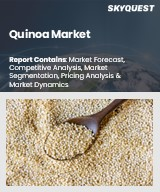
퀴노아 시장은 CAGR 8.29%를 유지하며, 2025년 15억 7,000만 달러에서 2031년에는 25억 3,200만 달러로 확대할 것으로 예측되고 있습니다.
퀴노아는 씨앗과 잎을 모두 먹을 수 있는 다용도의 영양가 높은 식물로, 다양한 요리의 가능성을 제공합니다. 이 곡물은 높은 식이섬유 함량으로 유명하며, 185g(1컵)에 5.18g의 식이섬유를 제공합니다. 이는 하루 식이섬유 필요량의 15.42% 이상에 해당합니다. 퀴노아 분말을 제품에 사용하면 영양가가 향상되는 것으로 나타났으며, 이 필수 미네랄은 다양한 신체 기능에 관여하여 종합적인 건강 유지에 기여합니다.
시장 성장 촉진요인
영양가가 높기 때문에 건강을 위한 선택으로 전 세계에서 퀴노아의 인기가 높아지고 있는 것이 주목할 만합니다. 케르세틴과 켐페롤과 같은 식물성 화합물이 풍부한 퀴노아는 항산화 물질을 제공하여 다양한 만성질환으로부터 보호 효과를 제공할 수 있습니다. 연구에 따르면 퀴노아에 함유된 켐페롤은 감염, 심장병, 당뇨병, 피부암과 간암을 포함한 특정 암을 예방하는 데 도움이 될 수 있다고 합니다. 퀴노아는 모든 필수 아미노산을 함유한 독특한 식물성 단백질 공급원으로 각광받고 있습니다. 건강한 식습관을 중시하는 소비자들이 늘어나는 가운데, 퀴노아는 최근 들어 특히 무글루텐, 비건 등 틈새 시장에서 주요 '슈퍼푸드'로 주목받고 있습니다.
에스닉 요리에 대한 수요 증가가 시장 성장을 촉진하고 있습니다. 이민자 증가와 세계화에 따라 다양한 식문화를 접할 기회가 많아지고, 다양한 맛과 식재료에 대한 호기심이 높아진 것이 그 배경입니다. 많은 에스닉 요리는 신선하고 자연적인 재료의 사용과 전통 조리법을 고수하는 것을 중요시하며, 이는 현재의 건강 동향과도 잘 맞아떨어집니다. 이러한 식문화 동향 속에서 퀴노아는 글루텐 과민증, 비건 등 식이 제한에도 대응할 수 있는 다용도하고 종합적인 선택지로 부상하고 있으며, 다양한 식문화와 식습관을 수용하는 사람들의 진화하는 니즈에 부응할 수 있는 최적의 위치에 있습니다.
시장이 해결해야 할 과제
집약적인 농업 관행은 토양의 중요한 영양분과 유기물을 고갈시켜 생산성에 장기적인 위협이 될 수 있으며, 지역 생태계에 악영향을 끼칠 수 있습니다. 이러한 영향은 농촌 공동체, 소규모 농가, 빈곤층에게 특히 심각하며, 전 세계 32억 명의 사람들이 토지 황폐화의 영향을 받고 있습니다. 퀴노아 생산은 토지 이용의 변화와 토종 종의 손실로 인해 심각한 위협에 직면해 있습니다. 세계 시장에서의 중요성이 커지는 가운데, 지속가능한 재배 방식과 토양 보존에 대한 노력은 환경, 지역 사회, 그리고 세계 불평등에 대한 잠재적인 악영향을 줄이는 데 중요한 역할을 합니다.
목차
제1장 개요
제2장 시장 개요
- 시장 개요
- 시장의 정의
- 조사 범위
- 시장 세분화
제3장 비즈니스 상황
- 시장 성장 촉진요인
- 시장 성장 억제요인
- 시장 기회
- Porter's Five Forces 분석
- 업계 밸류체인 분석
- 정책과 규제
- 전략적 제안
제4장 기술 전망
제5장 퀴노아 시장 : 유형별
- 서론
- 퀴노아 종자
- 퀴노아 가루
- 퀴노아 팝
- 퀴노아 플레이크
제6장 퀴노아 시장 : 생산 방법별
- 서론
- 유기농
- 기존형
제7장 퀴노아 시장 : 최종사용자별
- 서론
- 가정
- 산업
제8장 퀴노아 시장 : 지역별
- 서론
- 북미
- 미국
- 캐나다
- 멕시코
- 남미
- 브라질
- 아르헨티나
- 기타
- 유럽
- 독일
- 프랑스
- 영국
- 스페인
- 기타
- 중동 및 아프리카
- 사우디아라비아
- 아랍에미리트
- 이스라엘
- 기타
- 아시아태평양
- 중국
- 인도
- 일본
- 한국
- 인도네시아
- 태국
- 기타
제9장 경쟁 환경과 분석
- 주요 기업과 전략 분석
- 시장 점유율 분석
- 합병, 인수, 합의 및 협업
- 경쟁 대시보드
제10장 기업 개요
- Andean Naturals
- Alter Eco
- The British Quinoa Company
- Quinoa Foods Company
- King Arthur Baking Company
- Bob's Red Mill Natural Foods
- NorQuin(Northern Quinoa Corporation)
- Andean Valley Corporation
- Ancient Harvest
- Irupana Andean Organic Food S.A.
- Dutch Quinoa Group
- Nutriwish Foods Pvt. Ltd.
제11장 부록
- 통화
- 전제조건
- 기준연도 및 예측연도 타임라인
- 이해관계자에 대한 주요 이점
- 조사 방법
- 약어
Quinoa Market, sustaining a 8.29% CAGR, is anticipated to rise from USD 1.570 billion in 2025 to USD 2.532 billion in 2031.
Quinoa is a versatile and nutritious plant offering both seeds and leaves for consumption, providing diverse culinary possibilities. The grain stands out for its high fiber content, with a single 185g cup providing 5.18 grams, equivalent to at least 15.42% of a person's daily fiber requirement. The use of quinoa flour in products has been shown to offer greater nutritional value, with this essential mineral playing a role in various bodily functions and contributing to overall health.
Market Drivers
The rising popularity of quinoa as a health-conscious choice is notable globally, driven by its nutritional richness. Enriched with plant compounds such as quercetin and kaempferol, quinoa provides antioxidants that may offer protection against various chronic conditions. Research suggests that kaempferol found in quinoa may contribute to defense against infection, heart disease, diabetes, and certain cancers, including skin and liver cancers. Quinoa stands out as a unique plant protein containing all essential amino acids. With increasing numbers of consumers prioritizing healthy diets, quinoa has gained attention as a prominent 'superfood' in recent years, particularly in niches such as gluten-free and vegan markets.
Growing demand for ethnic diets is driving market expansion. Heightened demand for ethnic food stems from increased migration and globalization, exposing individuals to myriad culinary traditions and fostering curiosity for exploring diverse flavors and ingredients. Many ethnic cuisines place strong emphasis on utilizing fresh, natural ingredients and adhering to traditional cooking methods, aligning seamlessly with prevailing health trends. In this culinary landscape, quinoa emerges as a versatile and inclusive option, accommodating dietary restrictions such as gluten sensitivity and veganism, well-positioned to meet evolving needs of individuals embracing diverse culinary traditions and dietary choices.
Market Challenges
Intensive agricultural practices have potential to deplete vital soil nutrients and organic matter, posing long-term threats to productivity and adversely affecting local ecosystems. This impact is particularly significant for rural communities, smallholder farmers, and those living in poverty, with 3.2 billion people globally affected by land degradation. Quinoa faces significant threats to its production due to land use changes and loss of traditional varieties. As it becomes integral to the global market, addressing sustainable practices and soil conservation is important to mitigate potential adverse impacts on the environment, local communities, and global inequality.
Market Segmentation
The quinoa market based on end-users is categorized into Households and Industries. In the household segment, quinoa emerges as a versatile and nutritious staple cherished by individuals and families alike. Consumers seamlessly integrate quinoa into daily meals, relishing its health benefits and appreciating its culinary flexibility. On the industrial front, industries leverage quinoa as a valuable ingredient or product across diverse sectors, encompassing both food and non-food applications. Within the food industry, quinoa finds application in manufacturing ready-to-eat products, snacks, baked goods, and more, demonstrating its adaptability across various commercial applications.
Regional Analysis
Europe is projected to account for notable market share. The growth of quinoa in Europe extends beyond mere consumption, now focused on product development and meeting escalating demand for healthier food options. Currently, Europe, encompassing both the European Union and EFTA (European Free Trade Association), stands out as the primary importer of quinoa from leading quinoa-producing countries such as Peru, Bolivia, and Ecuador. The evolving dietary preferences and increasing awareness of health benefits associated with quinoa suggest sustained incorporation of this nutritious grain into European diets, positioning the region as a pivotal player in global quinoa trade.
Product Innovations
The market features diverse product offerings catering to various consumer preferences. Premium organic whole-grain black quinoa sourced from highlands of Peru provides unique and wholesome options, serving as rich sources of vital nutrients including Iron, Magnesium, Vitamin E, Potassium, and Fiber, contributing to well-rounded and nutritious diets. These products offer versatile alternatives to rice or couscous, with versatility experienced across multitude of recipes.
Puffed quinoa represents convenient offerings encapsulating all nutritional benefits in crispy, ready-to-eat snacks. These versatile treats require no cooking and can be savored independently or substituted for puffed rice by adding to milk. Culinary experiences can be elevated by incorporating puffed quinoa into various dishes such as yogurt, oatmeal, or granola bars for added crunch. Packed with high-quality plant protein, fiber, and iron, these products boast delicious taste while offering significant nutritional value.
Heirloom varieties offer fluffier and nuttier textures without common bitterness found in lesser grades. These products feature 100% organic pre-rinsed rainbow quinoa, delivering unique culinary experiences while maintaining nutritional excellence. The commitment to providing superior quinoa options shines through in the nutritional profiles of these heirloom varieties, aligning with balanced and mindful approaches to healthy eating and supporting the continued market growth driven by health-conscious consumer choices.
Key Benefits of this Report:
- Insightful Analysis: Gain detailed market insights covering major as well as emerging geographical regions, focusing on customer segments, government policies and socio-economic factors, consumer preferences, industry verticals, and other sub-segments.
- Competitive Landscape: Understand the strategic maneuvers employed by key players globally to understand possible market penetration with the correct strategy.
- Market Drivers & Future Trends: Explore the dynamic factors and pivotal market trends and how they will shape future market developments.
- Actionable Recommendations: Utilize the insights to exercise strategic decisions to uncover new business streams and revenues in a dynamic environment.
- Caters to a Wide Audience: Beneficial and cost-effective for startups, research institutions, consultants, SMEs, and large enterprises.
What do businesses use our reports for?
Industry and Market Insights, Opportunity Assessment, Product Demand Forecasting, Market Entry Strategy, Geographical Expansion, Capital Investment Decisions, Regulatory Framework & Implications, New Product Development, Competitive Intelligence
Report Coverage:
- Historical data from 2021 to 2025 & forecast data from 2026 to 2031
- Growth Opportunities, Challenges, Supply Chain Outlook, Regulatory Framework, and Trend Analysis
- Competitive Positioning, Strategies, and Market Share Analysis
- Revenue Growth and Forecast Assessment of segments and regions including countries
- Company Profiling (Strategies, Products, Financial Information), and Key Developments among others.
Quinoa Market Segmentation
By Type
- Quinoa Seeds
- Quinoa Flour
- Quinoa Pop
- Quinoa Flakes
By Procedure
- Organic
- Conventional
By End-User
- Household
- Industries
By Geography
- North America
- United States
- Canada
- Mexico
- South America
- Brazil
- Argentina
- Others
- Europe
- Germany
- France
- United Kingdom
- Spain
- Others
- Middle East and Africa
- Saudi Arabia
- UAE
- Israel
- Others
- Asia Pacific
- China
- India
- Japan
- South Korea
- Indonesia
- Thailand
- Others
TABLE OF CONTENTS
1. EXECUTIVE SUMMARY
2. MARKET SNAPSHOT
- 2.1. Market Overview
- 2.2. Market Definition
- 2.3. Scope of the Study
- 2.4. Market Segmentation
3. BUSINESS LANDSCAPE
- 3.1. Market Drivers
- 3.2. Market Restraints
- 3.3. Market Opportunities
- 3.4. Porter's Five Forces Analysis
- 3.5. Industry Value Chain Analysis
- 3.6. Policies and Regulations
- 3.7. Strategic Recommendations
4. TECHNOLOGICAL OUTLOOK
5. QUINOA MARKET BY TYPE
- 5.1. Introduction
- 5.2. Quinoa Seeds
- 5.3. Quinoa Flour
- 5.4. Quinoa Pop
- 5.5. Quinoa Flakes
6. QUINOA MARKET BY PROCEDURE
- 6.1. Introduction
- 6.2. Organic
- 6.3. Conventional
7. QUINOA MARKET BY END-USER
- 7.1. Introduction
- 7.2. Household
- 7.3. Industries
8. QUINOA MARKET BY GEOGRAPHY
- 8.1. Introduction
- 8.2. North America
- 8.2.1. USA
- 8.2.2. Canada
- 8.2.3. Mexico
- 8.3. South America
- 8.3.1. Brazil
- 8.3.2. Argentina
- 8.3.3. Others
- 8.4. Europe
- 8.4.1. Germany
- 8.4.2. France
- 8.4.3. United Kingdom
- 8.4.4. Spain
- 8.4.5. Others
- 8.5. Middle East and Africa
- 8.5.1. Saudi Arabia
- 8.5.2. UAE
- 8.5.3. Israel
- 8.5.4. Others
- 8.6. Asia Pacific
- 8.6.1. China
- 8.6.2. India
- 8.6.3. Japan
- 8.6.4. South Korea
- 8.6.5. Indonesia
- 8.6.6. Thailand
- 8.6.7. Others
9. COMPETITIVE ENVIRONMENT AND ANALYSIS
- 9.1. Major Players and Strategy Analysis
- 9.2. Market Share Analysis
- 9.3. Mergers, Acquisitions, Agreements, and Collaborations
- 9.4. Competitive Dashboard
10. COMPANY PROFILES
- 10.1. Andean Naturals
- 10.2. Alter Eco
- 10.3. The British Quinoa Company
- 10.4. Quinoa Foods Company
- 10.5. King Arthur Baking Company
- 10.6. Bob's Red Mill Natural Foods
- 10.7. NorQuin (Northern Quinoa Corporation)
- 10.8. Andean Valley Corporation
- 10.9. Ancient Harvest
- 10.10. Irupana Andean Organic Food S.A.
- 10.11. Dutch Quinoa Group
- 10.12. Nutriwish Foods Pvt. Ltd.
11. APPENDIX
- 11.1. Currency
- 11.2. Assumptions
- 11.3. Base and Forecast Years Timeline
- 11.4. Key Benefits for the Stakeholders
- 11.5. Research Methodology
- 11.6. Abbreviations