|
시장보고서
상품코드
1527030
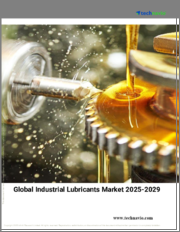
산업용 윤활유 시장(2024-2031년)Global Industrial Lubricants Market 2024-2031 |
||||||

산업용 윤활유 시장 규모, 점유율, 동향 : 기유 종류별(광유, 바이오 기반 오일), 제품 종류별(유압작동유, 압축기 오일, 금속가공유, 기어 오일, 터빈 오일, 선박용 오일, 그리스, 기타), 최종 이용 산업별(건설, 금속 및 광업 생산, 시멘트 생산, 발전, 자동차(차량 제조), 화학, 석유 및 가스, 식품 가공, 기타), 예측 기간별(2024-2031년) 분석 보고서
산업용 윤활유 시장은 예측 기간(2024-2031년) 동안 연평균 14.3%의 높은 성장률을 보일 것으로 예상됩니다. 이러한 시장 성장의 배경에는 자동차, 산업기계, 항공우주 등 다양한 산업 분야에서 기계 및 장비의 원활한 작동과 유지보수를 위해 윤활유에 대한 수요가 증가하고 있기 때문이며, World Metrics Report 2024에 따르면 독일에서 자동차 윤활유 매출은 2025년 약 18억 달러에 달할 것으로 예상됩니다. 미국에서는 2022년 바이오 윤활유의 가치가 약 24억 달러에 달할 것으로 예상됩니다.
시장 역학
혁신적인 윤활 기술 채택 증가
산업용 윤활유 시장의 성장을 촉진하는 주요 요인으로는 혁신적인 윤활 기술 개발, 환경 친화적인 제품 사용을 장려하는 엄격한 법률, 에너지 효율적인 윤활유에 대한 수요 증가, 제조 활동의 확대 등이 있습니다. 많은 발전소들이 윤활유 상태 기반 유지보수 전략을 채택하여 기존의 일정 기반 교체에서 벗어나고 있습니다. 윤활유 소비 감소와 플랜트 가동률 향상이라는 두 가지 목표를 동시에 달성할 수 있습니다.
생분해성 윤활유에 대한 수요 증가와 지속가능성
전 세계적으로 윤활유를 포함한 여러 산업을 포함한 지속가능성에 대한 추세가 있습니다. 생분해성 윤활유 개발 및 적용에 대한 관심이 높아지고 있습니다. 이러한 친환경 대체품의 목표는 윤활유 폐기물이 환경에 미치는 악영향을 줄이는 것입니다. 자원 효율적인 윤활 기술을 도입함으로써 제조업체와 최종사용자는 이산화탄소 배출량을 줄이는 것을 목표로 삼을 수 있습니다. 폐기물 감소에는 폐쇄 루프 윤활 시스템을 도입하고 사용한 윤활유를 재활용하는 것이 포함됩니다. 기업들은 창의적인 재활용 및 재 정제 기술을 활용하여 윤활유의 수명을 연장하는 방법을 연구할 수 있습니다. 이러한 순환 경제 모델로의 전환은 폐기물을 줄이고 자원 효율성을 촉진하기 위한 대규모 국제 이니셔티브에 부합합니다.
시장 세분화
- 기유의 종류에 따라 시장은 광유와 바이오 기유로 구분됩니다.
- 제품 유형에 따라 시장은 유압 오일, 압축기 오일, 금속 가공 오일, 기어 오일, 터빈 오일, 선박용 오일, 그리스, 기타(건 오일)로 나뉩니다.
- 최종 사용 산업별로 시장은 건설, 금속 및 광업, 시멘트 생산, 발전, 자동차(차량 제조), 화학, 석유 및 가스, 식품 가공, 기타(섬유)로 나뉩니다.
바이오 기반 오일이 가장 큰 부문을 차지할 것으로 예상
바이오 기반 오일 부문이 시장에서 가장 큰 점유율을 차지할 것으로 예상됩니다. 성장을 뒷받침하는 주요 요인으로는 생태계의 지속가능성에 대한 요구 증가, 새로운 패턴, 기술 발전 등이 있으며, 이는 모두 현대의 산업 환경에 영향을 미치고 있습니다. 바이오 기반 윤활유 생산 산업은 이러한 특성으로 인해 큰 혜택을 누릴 수 있는 산업입니다. 바이오 윤활유는 기존의 광유 기반 윤활유에 비해 몇 가지 장점이 있습니다. 우수한 윤활성, 높은 인화점, 낮은 휘발성은 다양한 응용 분야에서 안전성과 효율성을 향상시키는 데 기여합니다. 또한, 정부와 기업들은 환경 친화적인 특성을 더 잘 인식하고 있으며, 시장 선택과 규제 지원을 장려하고 있습니다. 예를 들어, 2024년 2월 KRATON은 혁신적인 SYLVASOLV(TM) Biobased Oils 제품군을 출시하여 농약, 접착제, 윤활유 등 다양한 산업 분야에서 우수한 성능과 환경적 이점을 제공했습니다.
유압작동유 부문이 큰 시장 점유율을 차지
유압작동유 부문은 시장에서 상당한 점유율을 차지할 것으로 예상됩니다. 유압 오일은 매우 많은 산업에서 사용되며 산업용 윤활유 산업에서 가장 인기있는 제품 범주입니다. 유압 오일은 움직이는 부품의 윤활을 유지하고 효율적인 동력 전달을 촉진하며 유압 기계가 원활하게 작동하도록 돕습니다. 유압작동유에 대한 수요의 대부분은 중장비 및 자동차에서 유압 장비의 사용 증가로 인해 발생합니다. 또한 유압 기술이 발전함에 따라 최고의 성능을 유지하고 장비의 수명을 연장하기 위해 고성능 유압 오일이 필수 불가결한 요소로 부상하고 있습니다. 예를 들어, 2022년 5월 볼보 건설기계는 유압 오일 라인업에 최신 제품을 추가했습니다. 볼보 유압 오일 98611 HO103입니다. 이 새로운 오일은 모든 시장의 모든 볼보 기계에 적합하며 크롤러 굴착기의 경우 배수 간격을 2,000 시간에서 3,000 시간으로 연장하도록 승인되었습니다.
지역별 전망
세계 산업용 윤활유 시장은 북미(미국, 캐나다), 유럽(영국, 이탈리아, 스페인, 독일, 프랑스, 기타 유럽), 아시아태평양(인도, 중국, 일본, 한국, 기타 아시아태평양), 기타 지역(중동 및 아프리카, 중남미) 등 지역별로 세분화되어 있습니다.
유럽의 최종 사용 산업에서 증가하는 수요
- 이 지역의 성장은 발전, 자동차(차량 제조), 화학, 석유 및 가스 산업에서 산업용 윤활유 수요 증가에 기인합니다. 영국 윤활유협회(United Kingdom Lubricants Association Ltd.)에 따르면 2022년 8월 영국의 석유화학 윤활유 시장 점유율은 15.0%로 독일에 이어 유럽 2위, 이탈리아, 프랑스, 스페인을 앞질렀습니다. 시장 규모는 연간 약 60만 톤으로 자동차용과 산업용으로 균등하게 나뉩니다. 시장은 시장 물량의 약 60.0%를 차지하는 대형 다국적 기업과 나머지 40.0%를 차지하는 다수의 중소기업으로 구성되어 있습니다.
- 유럽위원회에 따르면 2023년 10월, EU의 전기자동차와 연료전지 자동차의 윤활유 수요는 기존 자동차의 10.0%에 달할 것으로 예상됩니다. 현재 자동차 부문에서 배출되는 폐유는 윤활유 시장의 약 40.0%를 차지할 것으로 예상됩니다. 이 연구에 따르면 2050년 EU-27의 총 폐유 발생량은 170만 톤에서 200만 톤에 달할 것으로 예상됩니다.
아시아태평양이 가장 큰 비중을 차지
아시아태평양은 중국석유화공집단(SINOPEC), Indian Oil Corp., Valvoline Cummins Pvt. 등 수많은 유명 기업 및 공급자가 존재하기 때문입니다. 이 지역의 성장은 특히 중국과 인도의 산업화와 도시화, 건설, 농업, 자동차 생산과 같은 최종 사용 산업이 확대되고 있는 것이 주요 요인으로 작용하고 있습니다. 또한, 이 지역의 산업용 윤활유 소비는 인프라 건설과 자동차 제조에 대한 추가 지출로 인해 크게 증가할 것으로 예상됩니다. 아시아 윤활유 산업협회에 따르면, 세계 윤활유 시장에서 아시아의 점유율은 연간 190억-2300억 리터에 달하며, 이는 600억-800억 달러에 달하는 것으로 추산됩니다. 이러한 전략적 움직임은 윤활유 시장에서 사업 범위와 발자취를 확립하여 파트너와 고객이 서비스 및 솔루션을 제공 할 수 있도록 지원할 것입니다. 예를 들어, 2023년 11월 IMCD 차이나는 윤활유 시장에 진출하기 위해 광저우 RBD 화학 유한공사를 인수하여 윤활유 첨가제에 주로 초점을 맞추고 세계 공급업체를 대표하는 RBD를 인수했습니다. 이 회사는 중국 광저우에 기반을 두고 있으며 2022년 매출액은 약 7,500만 위안(1,110만 달러)에 달할 것으로 예상됩니다. 직원 수는 12명입니다.
최근 동향
- 2024년 2월, TotalEnergies Lubrifiants와 Bericap은 재활용 플라스틱으로 만든 새로운 클로저를 출시하기 위해 협력했습니다. TotalEnergies와 Bericap은 재활용 소재를 사용한 새로운 클로저를 설계하기 위해 협력하여 윤활유 DIN 60 표준을 준수하고 50.0%의 소비자 재생 플라스틱(PCR)을 통합한 20리터 윤활유 포장용 클로저를 출시합니다.
목차
제1장 보고서 개요
- 업계 현황 분석과 성장 가능성 전망
- 조사 방법과 툴
- 시장 내역
- 부문별
- 지역별
제2장 시장 개요와 인사이트
- 조사 범위
- 애널리스트의 인사이트와 현재 시장 동향
- 주요 시장 동향
- 추천사항
- 결론
제3장 경쟁 상황
- 주요 기업 분석
- BP p.l.c.
- 개요
- 재무 분석
- SWOT 분석
- 최근의 동향
- Chevron Corporation
- 기업 개요
- 재무 분석
- SWOT 분석
- 최근의 동향
- Exxon Mobil Corporation
- 개요
- 재무 분석
- SWOT 분석
- 최근의 동향
- Shell Group of Companies
- 개요
- 재무 분석
- SWOT 분석
- 최근의 동향
- TotalEnergies SE
- 개요
- 재무 분석
- SWOT 분석
- 최근의 동향
- 주요 전략 분석
제4장 시장 세분화
- 산업용 윤활유 세계 시장 : 기유 유형별
- 광물유
- 바이오 기반 오일
- 산업용 윤활유 세계 시장 : 제품 유형별
- 유압 오일
- 컴프레서 오일
- 금속가공유
- 기어 오일
- 터빈유
- 해양 오일
- 그리스
- 기타(건 오일)
- 산업용 윤활유 세계 시장 : 용도 산업별
- 건설
- 금속·광업 생산
- 시멘트 생산
- 발전
- 자동차(차량 제조)
- 화학
- 석유 및 가스
- 식품 가공
- 기타(섬유)
제5장 지역 분석
- 북미
- 미국
- 캐나다
- 유럽
- 영국
- 독일
- 이탈리아
- 스페인
- 프랑스
- 기타 유럽
- 아시아태평양
- 중국
- 인도
- 일본
- 한국
- 기타 아시아태평양
- 세계 기타 지역
- 라틴아메리카
- 중동 및 아프리카
제6장 기업 개요
- ADDINOL Lube Oil GmbH
- AMSOIL INC.
- Calumet Branded Products, LLC
- China Petroleum & Chemical Corp.(SINOPEC)
- ENEOS Group
- Enilive S.p.A.
- FUCHS SE
- Idemitsu Kosan Co., Ltd.
- Indian Oil Corporation Ltd.
- KLUBER LUBRICATION INDIA Pvt. Ltd.
- The Lubrizol Corporation
- Morris Lubricants Online
- MOTUL S.A.
- Petroleo Brasileiro S.A.
- PETRONAS Lubricants International
- Phillips 66 Company
- PJSC LUKOIL
- Quaker Chemical Corp.
- The Dow Chemical Company
- Valvoline Cummins Pvt. Ltd.
Industrial Lubricants Market Size, Share & Trends Analysis Report by Base Oil Type (Mineral Oil and Bio-based Oil), by Product Type (Hydraulic Oil, Compressor Oil, Metalworking Fluid, Gear Oil, Turbine Oil, Marine Oil, Grease, and Others), and by End-Use Industry (Construction, Metal & Mining Production, Cement Production, Power Generation, Automotive (Vehicle Manufacturing), Chemical, Oil & Gas, Food Processing and Others), Forecast Period (2024-2031)
Industrial lubricants market is anticipated to grow at a significant CAGR of 14.3% during the forecast period (2024-2031). The market growth is attributed to the increasing demand for lubricants in various industries such as automotive, industrial machinery, and aerospace to ensure the smooth operation and maintenance of machinery and equipment across different sectors globally. According to the World Metrics Report 2024, the revenue of automotive lubricants in Germany is projected to be approximately $1.8 billion in 2025. It is expected that in 2022, the value of bio-lubricants in the US reach about $2.4 billion.
Market Dynamics
Increasing Adoption of Innovative Lubricating Technologies
Key drivers propelling the growth of the industrial lubricants market include the development of innovative lubricating technologies, stringent laws encouraging the use of environmentally friendly products, an increase in demand for energy-efficient lubricants, and the expansion of manufacturing activities. Many power plants have adopted condition-based maintenance strategies for lubricants, moving away from traditional schedule-based replacements. The simultaneous goals of reducing lubricant consumption and enhancing plant availability can be aligned.
Growing Demand for Biodegradable Lubricants and Sustainability
Globally, there is a tendency toward sustainability that involves several industries, including lubricants. The growing emphasis on developing and application of biodegradable lubricants. The goal of these eco-friendly substitutes is to lessen lubricant disposal's negative environmental effects. By implementing resource-efficient lubricating techniques, manufacturers and end users can also aim to reduce their carbon footprint. Reduce waste, this can entail implementing closed-loop lubricating systems or recycling spent lubricants. Businesses may investigate methods to increase the lifespan of lubricants by utilizing creative recycling and re-refining techniques. This move to a circular economy model is in line with larger international initiatives to cut waste and encourage resource efficiency.
Market Segmentation
- Based on the base oil type, the market is segmented into mineral oil and bio-based oil.
- Based on the product type, the market is segmented into hydraulic oil, compressor oil, metalworking fluid, gear oil, turbine oil, marine oil, grease, and others (gun oil).
- Based on the end-use industry, the market is segmented into construction, metal & mining production, cement production, power generation, automotive (vehicle manufacturing), chemical, oil & gas, food processing, and others (textile).
Bio-based Oil is Projected to Hold the Largest Segment
The bio-based oil segment is expected to hold the largest share of the market. The primary factors supporting the growth include increasing demands of ecological sustainability, emerging patterns, and technological advancements all influence the modern industrial landscape. The industry that produces bio-based lubricants is one that greatly benefits from these features. Bio-lubricants has several advantages over conventional mineral oil-based lubricants. Their superior lubricity, higher flash points, and reduced volatility contribute to increased safety and efficiency across a range of applications. Furthermore, governments and businesses are becoming more aware of their ecologically friendly qualities, which encourages market choice and regulatory support. For instance, in February 2024, KRATON introduced the Innovative SYLVASOLV(TM) Biobased Oils product line to deliver superior performance and environmental advantages across many industries, including agrochemicals, adhesives, and lubricants.
Hydraulic Oil Segment to Hold a Considerable Market Share
The hydraulic oil segment is expected to hold a considerable share of the market. Hydraulic fluid is used in so many different industries, it is the most popular product category in the industrial lubricants industry. Hydraulic oil keeps moving components lubricated, promotes effective power transfer, and keeps hydraulic machinery running smoothly. The demand for hydraulic fluid is mostly driven by the growing use of hydraulic equipment in heavy machinery and automobiles. Furthermore, to preserve peak performance and prolong equipment longevity, high-performance hydraulic oils are growing essential as hydraulic technology develops. For instance, in May 2022, Volvo Construction Equipment introduced the latest addition to its hydraulic oil lineup. Volvo Hydraulic Oil 98611 HO103. The new oil is approved and compatible with all Volvo machines across all markets and in crawler excavators extending the drain interval from 2,000 hours to 3,000 hours.
Regional Outlook
The global industrial lubricants market is further segmented based on geography including North America (the US, and Canada), Europe (UK, Italy, Spain, Germany, France, and the Rest of Europe), Asia-Pacific (India, China, Japan, South Korea, and Rest of Asia-Pacific), and the Rest of the World (the Middle East & Africa, and Latin America).
Growing Demand in End-Use Industry in Europe
- The regional growth is attributed to the increased industrial lubricant demand in power generation, automotive (vehicle manufacturing), chemical, and oil & gas industries. According to the United Kingdom Lubricants Association Ltd., in August 2022, the UK was the second largest market for petrochemical lubricants in Europe with a 15.0% market share, second to Germany and ahead of Italy, France, and Spain. The market volume is around 600,000 metric tons a year and is equally split between automotive and industrial applications. The market is comprised of large multinationals that make up around 60.0% of the market volume, and many small and medium-sized enterprises that make up the remaining 40.0%.
- According to the European Commission, in October 2023, the demand for lubricant in the EU electric and fuel cell fleet will be 10.0% of that of a conventional fleet predicting the use of engine oils in the EU. It is assumed that the waste oil generation from the automotive sector currently represents approximately 40.0% of the lubricating oils market. According to the referred study, the EU-27 total waste oil generation will be between 1.7 and 2 million tons in 2050.
Asia Pacific Holds Major Market Share
Asia-Pacific holds a significant share owing to numerous prominent Industrial Lubricants companies and providers such as China Petroleum & Chemical Corp. (SINOPEC), Indian Oil Corp. Ltd., and Valvoline Cummins Pvt. Ltd., in the region. The regional growth is mainly attributed to the increasing industrialization and urbanization, especially in China and India, which enhance end-use industries including construction, agriculture, and automobile production. Furthermore, the region's industrial lubricant consumption is predicted to rise significantly as further expenditures in infrastructure and automobile manufacturing. According to the Asian Lubricants Industry Association, Asia's share of the global lubricant market translates to an annual consumption of 19-23 billion liters, considering that this amount is worth an estimated $60.0-80.0 billion. The strategic move empowers to establish business coverage and footprint in the lubricants market, allowing partners and customers to provide the services and solutions. For instance, in November 2023, IMCD China entered the lubricants market with the acquisition of Guangzhou RBD Chemical Co., Ltd. RBD focuses mainly on lubricant additives and represents global suppliers. It is based in Guangzhou, China, and generated a revenue of approximately CNY 75.0 million ($11.1 million) in 2022. It has 12 employees.
Market Players Outlook
The major companies serving the industrial lubricants market include BP p.l.c., Chevron Corp., Exxon Mobil Corp., Shell plc, and TotalEnergies SE, among others. The market players are increasingly focusing on business expansion and product development by applying strategies such as collaborations, mergers and acquisitions to stay competitive.
Recent Development
- In February 2024, TotalEnergies Lubrifiants and Bericap collaborated to launch a new closure made from recycled plastic. The two key players have joined forces to design a new closure using recycled material. TotalEnergies and Bericap are launching a closure for 20-liter lubricant packaging incorporating 50.0% post-consumer recycled plastic (PCR), in compliance with DIN 60 standards for lubricants.
Table of Contents
1. Report Summary
- Current Industry Analysis and Growth Potential Outlook
- 1.1. Research Methods and Tools
- 1.2. Market Breakdown
- 1.2.1. By Segments
- 1.2.2. By Region
2. Market Overview and Insights
- 2.1. Scope of the Report
- 2.2. Analyst Insight & Current Market Trends
- 2.2.1. Key Market Trends
- 2.2.2. Recommendations
- 2.2.3. Conclusion
3. Competitive Landscape
- 3.1. Key Company Analysis
- 3.2. BP p.l.c.
- 3.2.1. Overview
- 3.2.2. Financial Analysis
- 3.2.3. SWOT Analysis
- 3.2.4. Recent Developments
- 3.3. Chevron Corporation
- 3.3.1. Overview
- 3.3.2. Financial Analysis
- 3.3.3. SWOT Analysis
- 3.3.4. Recent Developments
- 3.4. Exxon Mobil Corporation
- 3.4.1. Overview
- 3.4.2. Financial Analysis
- 3.4.3. SWOT Analysis
- 3.4.4. Recent Developments
- 3.5. Shell Group of Companies
- 3.5.1. Overview
- 3.5.2. Financial Analysis
- 3.5.3. SWOT Analysis
- 3.5.4. Recent Developments
- 3.6. TotalEnergies SE
- 3.6.1. Overview
- 3.6.2. Financial Analysis
- 3.6.3. SWOT Analysis
- 3.6.4. Recent Developments
- 3.7. Key Strategy Analysis
4. Market Segmentation
- 4.1. Global Industrial Lubricants Market by Base Oil Type
- 4.1.1. Mineral Oil
- 4.1.2. Bio-based Oil
- 4.2. Global Industrial Lubricants Market by Product Type
- 4.2.1. Hydraulic Oil
- 4.2.2. Compressor Oil
- 4.2.3. Metalworking Fluid
- 4.2.4. Gear Oil
- 4.2.5. Turbine Oil
- 4.2.6. Marine Oil
- 4.2.7. Grease
- 4.2.8. Others (Gun Oil)
- 4.3. Global Industrial Lubricants Market by End-Use Industry
- 4.3.1. Construction
- 4.3.2. Metal & Mining Production
- 4.3.3. Cement Production
- 4.3.4. Power Generation
- 4.3.5. Automotive (Vehicle Manufacturing)
- 4.3.6. Chemical
- 4.3.7. Oil & Gas
- 4.3.8. Food Processing
- 4.3.9. Others (Textile)
5. Regional Analysis
- 5.1. North America
- 5.1.1. United States
- 5.1.2. Canada
- 5.2. Europe
- 5.2.1. UK
- 5.2.2. Germany
- 5.2.3. Italy
- 5.2.4. Spain
- 5.2.5. France
- 5.2.6. Rest of Europe
- 5.3. Asia-Pacific
- 5.3.1. China
- 5.3.2. India
- 5.3.3. Japan
- 5.3.4. South Korea
- 5.3.5. Rest of Asia-Pacific
- 5.4. Rest of the World
- 5.4.1. Latin America
- 5.4.2. Middle East and Africa
6. Company Profiles
- 6.1. ADDINOL Lube Oil GmbH
- 6.2. AMSOIL INC.
- 6.3. Calumet Branded Products, LLC
- 6.4. China Petroleum & Chemical Corp. (SINOPEC)
- 6.5. ENEOS Group
- 6.6. Enilive S.p.A.
- 6.7. FUCHS SE
- 6.8. Idemitsu Kosan Co., Ltd.
- 6.9. Indian Oil Corporation Ltd.
- 6.10. KLUBER LUBRICATION INDIA Pvt. Ltd.
- 6.11. The Lubrizol Corporation
- 6.12. Morris Lubricants Online
- 6.13. MOTUL S.A.
- 6.14. Petroleo Brasileiro S.A.
- 6.15. PETRONAS Lubricants International
- 6.16. Phillips 66 Company
- 6.17. PJSC LUKOIL
- 6.18. Quaker Chemical Corp.
- 6.19. The Dow Chemical Company
- 6.20. Valvoline Cummins Pvt. Ltd.