|
시장보고서
상품코드
2065417
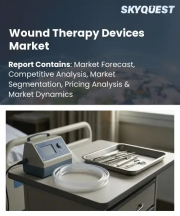
상처 치료 기기 시장 규모, 점유율, 성장 분석 : 제품 유형별, 상처 유형별, 용도별, 최종사용자별, 지역별 - 업계 예측(2026-2033년)Wound Therapy Devices Market Size, Share, and Growth Analysis, By Product Type, By Wound Type, By Application, By End User, By Region - Industry Forecast 2026-2033 |
||||||

세계의 상처 치료 기기 시장 규모는 2024년에 35억 달러로 평가되었으며, 2025년 36억 8,000만 달러에서 2033년까지 54억 3,000만 달러로 확대되어 예측 기간(2026-2033년) 동안 CAGR 5.0%로 성장할 것으로 전망됩니다.
전 세계 상처 치료 기기 시장은 의료 분야에서 매우 중요한 부문으로, 기본적인 드레싱부터 음압상처치료(NPWT) 및 생체공학을 활용한 피부 대체재와 같은 첨단 기술에 이르기까지 다양한 제품에 초점을 맞추고 있습니다. 고령화와 당뇨병 유병률 상승을 배경으로 한 만성 상처 유병률의 증가는, 보다 첨단 장비를 활용한 치료법에 대한 수요를 촉진하고 있습니다. 이 시장은 기존의 거즈에서 근거 기반 기술로 진화하고 있으며, 재택 간호 및 병원에서의 활용이 급속히 확대되고 있습니다. 주요 성장 요인으로는 기술 발전과 비용 대비 효과가 높은 치료 솔루션을 촉진하는 유리한 보험 급여 정책이 꼽힙니다. 또한, AI를 상처 관리에 도입함으로써 자동 평가 및 예측 분석을 통해 진단과 치료법 선택이 개선되고, 업무 흐름의 효율화와 환자 예후 개선으로 이어지며, 궁극적으로는 혁신적인 상처 치료 기기의 보급을 촉진하고 있습니다.
세계 상처 치료 기기 시장의 성장요인
고령화와 당뇨병, 혈관 질환의 증가에 힘입어 만성 상처의 유병률이 상승하고 있는 것이, 전문적인 상처 치료 기기에 대한 수요를 크게 끌어올리고 있습니다. 의료진은 치유를 촉진하고 합병증을 최소화하는 효과적인 치료법에 점점 더 주력하고 있으며, 그 결과 첨단 드레싱, 음압 요법 시스템 및 생물학적 요법의 도입이 확대되고 있습니다. 이러한 지속적인 임상적 요구는 혁신적인 제품 개발 및 상용화에 대한 투자를 촉진하는 동시에, 교육 프로그램 및 프로토콜의 수립도 뒷받침하고 있습니다. 그 결과, 이러한 요인들이 다양한 의료 현장에서 안정적인 조달 수요를 이끌어내고 있으며, 이 모든 요인들이 종합적으로 시장의 지속적인 성장을 뒷받침하고 있습니다.
세계 상처 치료 기기 시장의 제약요인
전 세계 상처 치료 기기 시장은 첨단 치료 기기와 그 소모품에 드는 고비용으로 인해 큰 제약을 받고 있으며, 이로 인해 다양한 의료 현장에서의 도입이 저해되고 있습니다. 이러한 높은 비용은 의료 제공자와 환자 모두에게 경제적 부담과 조달 측면에서 과제가 되고 있습니다. 보험 환급 옵션이 제한적이거나 불분명한 경우, 의사결정권자들은 보다 경제적인 대안이나 보수적인 치료 방식을 선호하는 경향이 있으며, 이것이 신기술의 보급을 저해하고 있습니다. 또한, 막대한 초기 투자 비용과 소모품과 관련된 지속적인 비용은 소규모 의료 시설의 도입 의지를 저해하고, 자원이 부족한 지역의 의료 접근성을 제한하게 되어, 궁극적으로는 시장 성장과 첨단 솔루션의 보급을 저해하는 요인이 됩니다.
세계 상처 치료 기기 시장의 동향
전 세계 상처 치료 기기 시장에서는 제조사와 임상의들이 개별 상처의 원인 및 환자의 동반 질환에 맞춘 맞춤형 치료의 중요성을 강조함에 따라, 맞춤형 상처 관리로의 전환이 진행되고 있습니다. 이러한 수요 증가는 맞춤형 드레싱, 첨단 생체 재료, 적응형 디바이스 플랫폼 분야의 혁신을 촉진할 뿐만 아니라, 진단 기기 및 재생의료 기업과의 협력도 뒷받침하고 있습니다. 그 결과, 의료 서비스 제공자들은 정밀한 치료 경로를 우선시하게 되었으며, 이에 따라 유연한 제조 체계와 전략적인 상품화 접근 방식이 요구되고 있습니다. 또한, 보험사 측은 가치 기반 조달에 점점 더 주력하고 있으며, 공급업체는 개별화된 유효성 증거와 통합적인 진료 워크플로를 제시해야 할 것으로 요구받고 있습니다. 이를 통해 급속히 변화하는 시장 상황 속에서 공급업체의 경쟁력이 궁극적으로 강화될 것입니다.
자주 묻는 질문
목차
소개
조사 방법
주요 요약
시장 역학과 전망
주요 시장 인사이트
세계의 상처 치료 기기 시장 규모 : 제품 유형별
세계의 상처 치료 기기 시장 규모 : 상처 종류별
세계의 상처 치료 기기 시장 규모 : 용도별
세계의 상처 치료 기기 시장 규모 : 최종사용자별
세계의 상처 치료 기기 시장 규모 : 지역별
경쟁 정보
주요 기업 개요
결론과 제안
KSM 26.06.25Global Wound Therapy Devices Market size was valued at USD 3.5 Billion in 2024 and is poised to grow from USD 3.68 Billion in 2025 to USD 5.43 Billion by 2033, growing at a CAGR of 5.0% during the forecast period (2026-2033).
The global wound therapy devices market is a vital segment of healthcare, focusing on various products ranging from basic dressings to advanced technologies like negative pressure wound therapy (NPWT) and bioengineered skin substitutes. The increasing prevalence of chronic wounds, driven by aging populations and rising diabetes rates, fosters demand for more sophisticated device-based interventions. The market has evolved from traditional gauze to evidence-backed technologies, with homecare and hospital applications expanding rapidly. Key growth factors include technological advancements and favorable reimbursement policies that promote cost-effective healing solutions. Additionally, the integration of AI in wound care enhances diagnosis and therapy selection through automated assessments and predictive analytics, streamlining workflows and improving patient outcomes, ultimately driving wider adoption of innovative wound therapy devices.
Top-down and bottom-up approaches were used to estimate and validate the size of the Global Wound Therapy Devices market and to estimate the size of various other dependent submarkets. The research methodology used to estimate the market size includes the following details: The key players in the market were identified through secondary research, and their market shares in the respective regions were determined through primary and secondary research. This entire procedure includes the study of the annual and financial reports of the top market players and extensive interviews for key insights from industry leaders such as CEOs, VPs, directors, and marketing executives. All percentage shares split, and breakdowns were determined using secondary sources and verified through Primary sources. All possible parameters that affect the markets covered in this research study have been accounted for, viewed in extensive detail, verified through primary research, and analyzed to get the final quantitative and qualitative data.
Global Wound Therapy Devices Market Segments Analysis
Global wound therapy devices market is segmented by product type, wound type, application, end user and region. Based on product type, the market is segmented into Negative Pressure Wound Therapy (NPWT) Devices, Hyperbaric Oxygen Therapy Devices, Pressure Relief Devices, Electrical Stimulation Devices, Wound Assessment & Monitoring Devices and Others. Based on wound type, the market is segmented into Chronic Wounds and Acute Wounds. Based on application, the market is segmented into Diabetic Foot Ulcers, Pressure Ulcers, Venous Leg Ulcers, Surgical Wounds, Burn Wounds, Traumatic Wounds and Others. Based on end user, the market is segmented into Hospitals, Ambulatory Surgical Centers, Specialty Clinics, Homecare Settings and Others. Based on region, the market is segmented into North America, Europe, Asia Pacific, Latin America and Middle East & Africa.
Driver of the Global Wound Therapy Devices Market
The growing prevalence of chronic wounds, fueled by an aging demographic and a rise in diabetes and vascular diseases, is significantly boosting the demand for specialized wound therapy devices. Healthcare providers are increasingly focusing on effective treatment options that enhance healing and minimize complications, leading to a wider adoption of advanced dressings, negative pressure systems, and biologic therapies. This ongoing clinical requirement drives investment in innovative product development and commercialization, while also promoting the establishment of training programs and protocols. Consequently, these factors contribute to consistent procurement needs across various healthcare settings, which collectively underpin the ongoing expansion of the market.
Restraints in the Global Wound Therapy Devices Market
The Global Wound Therapy Devices market faces significant constraints due to the high expenses linked to advanced therapy devices and their consumable components, hindering their adoption in various healthcare settings. These elevated costs create challenges in both affordability and procurement for healthcare providers and patients alike. When reimbursement options are limited or unclear, decision-makers often lean towards more economical alternatives or conservative treatment approaches, which stifles the acceptance of newer technologies. Additionally, the substantial initial investment and the ongoing costs associated with supplies can dissuade smaller healthcare facilities and restrict access in under-resourced areas, ultimately impeding the market's growth and integration of advanced solutions.
Market Trends of the Global Wound Therapy Devices Market
The Global Wound Therapy Devices market is witnessing a shift towards personalized wound care, as manufacturers and clinicians emphasize the importance of tailored therapies that cater to unique wound etiologies and patient comorbidities. This growing demand is fueling innovation in customizable dressings, advanced biomaterials, and adaptive device platforms, while fostering collaborations with diagnostics and regenerative medicine firms. Consequently, healthcare providers prioritize precision treatment pathways, necessitating flexible manufacturing and strategic commercialization approaches. Additionally, payers are increasingly focused on value-based procurement, prompting suppliers to showcase evidence of individualized efficacy and integrated care workflows, ultimately enhancing their competitive edge in a rapidly evolving market landscape.
Table of Contents
Introduction
- Objectives of the Study
- Market Definition & Scope
Research Methodology
- Research Process
- Secondary & Primary Data Methods
- Market Size Estimation Methods
Executive Summary
- Global Market Outlook
- Key Market Highlights
- Segmental Overview
- Competition Overview
Market Dynamics & Outlook
- Macro-Economic Indicators
- Drivers & Opportunities
- Restraints & Challenges
- Supply Side Trends
- Demand Side Trends
- Porters Analysis & Impact
- Competitive Rivalry
- Threat of Substitute
- Bargaining Power of Buyers
- Threat of New Entrants
- Bargaining Power of Suppliers
Key Market Insights
- Key Success Factors
- Market Impacting Factors
- Top Investment Pockets
- Ecosystem Mapping
- Market Attractiveness Index 2025
- PESTEL Analysis
- Regulatory Landscape
- Value Chain Analysis
- Case Studies
- Technology Assessment
- Customer & Buying Criteria Analysis
- Pipeline Analysis
- Disease Epidemiology
Global Wound Therapy Devices Market Size by Product Type & CAGR (2026-2033)
- Market Overview
- Negative Pressure Wound Therapy (NPWT) Devices
- Hyperbaric Oxygen Therapy Devices
- Pressure Relief Devices
- Electrical Stimulation Devices
- Wound Assessment & Monitoring Devices
- Others
Global Wound Therapy Devices Market Size by Wound Type & CAGR (2026-2033)
- Market Overview
- Chronic Wounds
- Acute Wounds
Global Wound Therapy Devices Market Size by Application & CAGR (2026-2033)
- Market Overview
- Diabetic Foot Ulcers
- Pressure Ulcers
- Venous Leg Ulcers
- Surgical Wounds
- Burn Wounds
- Traumatic Wounds
- Others
Global Wound Therapy Devices Market Size by End User & CAGR (2026-2033)
- Market Overview
- Hospitals
- Ambulatory Surgical Centers
- Specialty Clinics
- Homecare Settings
- Others
Global Wound Therapy Devices Market Size & CAGR (2026-2033)
- North America (Product Type, Wound Type, Application, End User)
- US
- Canada
- Europe (Product Type, Wound Type, Application, End User)
- Germany
- Spain
- France
- UK
- Italy
- Rest of Europe
- Asia Pacific (Product Type, Wound Type, Application, End User)
- China
- India
- Japan
- South Korea
- Rest of Asia-Pacific
- Latin America (Product Type, Wound Type, Application, End User)
- Mexico
- Brazil
- Rest of Latin America
- Middle East & Africa (Product Type, Wound Type, Application, End User)
- GCC Countries
- South Africa
- Rest of Middle East & Africa
Competitive Intelligence
- Top 5 Player Comparison
- Market Positioning of Key Players, 2025
- Strategies Adopted by Key Market Players
- Recent Developments in the Market
- Company Market Share Analysis, 2025
- Company Profiles of All Key Players
- Company Details
- Product Portfolio Analysis
- Company's Segmental Share Analysis
- Revenue Y-O-Y Comparison (2023-2025)
Key Company Profiles
- 3M Company
- Company Overview
- Business Segment Overview
- Financial Updates
- Key Developments
- Smith & Nephew plc
- Company Overview
- Business Segment Overview
- Financial Updates
- Key Developments
- Cardinal Health, Inc.
- Company Overview
- Business Segment Overview
- Financial Updates
- Key Developments
- Convatec Group plc
- Company Overview
- Business Segment Overview
- Financial Updates
- Key Developments
- Molnlycke Health Care AB
- Company Overview
- Business Segment Overview
- Financial Updates
- Key Developments
- Medela AG
- Company Overview
- Business Segment Overview
- Financial Updates
- Key Developments
- Coloplast A/S
- Company Overview
- Business Segment Overview
- Financial Updates
- Key Developments
- Integra LifeSciences Holdings Corporation
- Company Overview
- Business Segment Overview
- Financial Updates
- Key Developments
- Paul Hartmann AG
- Company Overview
- Business Segment Overview
- Financial Updates
- Key Developments
- Baxter International Inc.
- Company Overview
- Business Segment Overview
- Financial Updates
- Key Developments
- DeRoyal Industries, Inc.
- Company Overview
- Business Segment Overview
- Financial Updates
- Key Developments
- Talley Group Ltd.
- Company Overview
- Business Segment Overview
- Financial Updates
- Key Developments
- Zimmer Biomet Holdings, Inc.
- Company Overview
- Business Segment Overview
- Financial Updates
- Key Developments
- Essity AB
- Company Overview
- Business Segment Overview
- Financial Updates
- Key Developments
- Medtronic plc
- Company Overview
- Business Segment Overview
- Financial Updates
- Key Developments
- Acelity L.P. Inc.
- Company Overview
- Business Segment Overview
- Financial Updates
- Key Developments
- Organogenesis Holdings Inc.
- Company Overview
- Business Segment Overview
- Financial Updates
- Key Developments
- MiMedx Group, Inc.
- Company Overview
- Business Segment Overview
- Financial Updates
- Key Developments
- ConvaTec Inc.
- Company Overview
- Business Segment Overview
- Financial Updates
- Key Developments
- Devon Medical Products
- Company Overview
- Business Segment Overview
- Financial Updates
- Key Developments