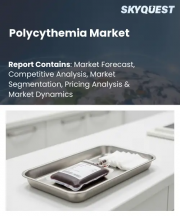
|
시장보고서
상품코드
2102489
다혈증 시장 규모, 점유율 및 성장 분석 : 질환별, 치료법별, 투여 경로별, 유통 채널별, 최종사용자별, 지역별 - 업계 예측(2026-2033년)Polycythemia Market Size, Share, and Growth Analysis, By Disease Type, By Treatment Type, By Route of Administration, By Distribution Channel, By End User, By Region - Industry Forecast 2026-2033 |
||||||

세계의 다혈증 시장 규모는 2024년에 19억 5,000만 달러로 평가되며, 2025년 20억 6,000만 달러에서 2033년까지 32억 3,000만 달러로 확대하며, 예측 기간(2026-2033년)에 CAGR 5.8%로 성장할 것으로 전망되고 있습니다.
전 세계 다혈증 시장은 만성 저산소증, 비만, 고지대 거주와 관련된 이차성 다혈증 유병률 증가에 힘입어 성장하고 있으며, 루크솔리티닙 및 채혈 장치와 같은 진단 툴 및 치료법에 대한 수요를 촉진하고 있습니다. 유전체 프로파일링을 통한 JAK2 돌연변이 식별은 신약 개발을 촉진하고, 선별 프로그램을 통한 환자 식별 범위를 확대했습니다. 이러한 성장은 혈액학 분야의 혁신 가능성을 보여주며, 투자자들에게 매력적인 요소로 작용하고 있습니다. 또한 분자 진단과 표적 치료를 결합하는 ‘정밀 의료’의 통합으로 환자의 유전자 프로파일링에 기반한 맞춤형 치료가 가능해지면서 시장 역학이 강화되고 있습니다. 이러한 전략은 처방률 향상 및 가격 책정의 정당화로 이어질 뿐만 아니라, 보험 급여 확대를 촉진하여 새로운 수입원을 창출하고 신흥 경제국에서의 시장 침투를 지원하고 있습니다.
전 세계 다혈증 시장의 성장 요인
일상적인 임상 현장에서 첨단 유전자 검사의 도입이 진행됨에 따라 다혈증 아형의 조기 식별이 크게 촉진되어 신속한 치료 개입과 맞춤형 치료 접근이 가능해졌습니다. 이러한 진보로 인해 의료진의 신뢰도가 높아지고, 질환 특이적 약물을 활용할 수 있게 되어 새로운 치료법을 이용할 수 있는 환자층이 확대되고 있습니다. 또한 진단 정확도의 향상으로 임상시험에 대한 환자 등록이 촉진되어 신약 개발이 가속화되는 한편, 시장 성장을 유지하기 위한 혁신이 지속적으로 추진되고 있습니다. 이러한 요인들은 보험사의 신규 치료법에 대한 보험 적용에 대한 관심을 높여, 시장 전체의 확대에 기여하고 있습니다.
전 세계 다혈증 시장의 제약 요인
다혈증에 대한 새로운 표적 치료법에 수반되는 높은 비용은, 특히 의료 예산이 제한된 지역에서 그 보급 확대에 있으며, 주목할 만한 과제가 되고 있습니다. 보험사는 보험 적용을 결정하기 위해 광범위한 비용 대비 효과 평가를 빈번히 수행하므로 의약품 승인이 지연될 가능성이 있으며, 이는 환자의 접근성을 제한하는 결과로 이어집니다. 그 결과, 의료진은 기존에 있던 보다 저렴한 치료 옵션을 선호할 가능성이 있으며, 이는 새로운 치료법이 제공하는 임상적 이점에도 불구하고 혁신적인 치료법에 대한 수요를 저해하고 시장 전체의 성장을 방해할 우려가 있습니다. 또한 지속적인 모니터링과 지지요법이 필요함에 따라 전체 치료비가 더욱 증가하여, 보험사와 환자 모두에게 더 비싼 치료법 선택을 주저하게 만드는 요인이 되고 있습니다.
전 세계 다혈증 시장 동향
전 세계 다혈증 시장에서는 진단 현장에서의 유전체 프로파일링 도입 확대에 힘입어, 맞춤형 유전체학의 통합을 향한 큰 변화가 진행되고 있습니다. 의료 종사자들은 특정 돌연변이 또는 질환의 아형을 규명하는 것의 가치를 점차 인식하고 있습니다. 이를 통해 환자의 예후를 개선하고, 효과가 없는 치료법의 사용을 최소화하는 보다 개인화된 치료 계획이 가능해집니다. 시퀀싱 기술의 발전으로 비용이 절감되고 임상의들의 인식이 높아짐에 따라 분자 종양 위원회의 설립이 혈액 전문의, 유전학자, 약사 간의 협력을 촉진하고 있습니다. 이러한 역동적인 환경은 표적 치료의 보급을 촉진하고 모니터링 전략을 정교화하며, 개인 맞춤형 유전체학을 시장 성장의 최전선에 확고히 자리매김하게 하고 있습니다.
자주 묻는 질문
목차
서론
조사 방법
개요
시장 역학과 전망
주요 시장 인사이트
세계의 다혈증 시장 규모 : 질환 유형별
세계의 다혈증 시장 규모 : 치료 유형별
세계의 다혈증 시장 규모 : 투여 경로별
세계의 다혈증 시장 규모 : 유통 채널별
세계의 다혈증 시장 규모 : 최종사용자별
세계의 다혈증 시장 규모 : 지역별
경쟁 정보
주요 기업 개요
결론과 제안
KSA 26.08.05Global Polycythemia Market size was valued at USD 1.95 Billion in 2024 and is poised to grow from USD 2.06 Billion in 2025 to USD 3.23 Billion by 2033, growing at a CAGR of 5.8% during the forecast period (2026-2033).
The global polycythemia market is driven by the increasing prevalence of secondary polycythemia linked to chronic hypoxia, obesity, and high-altitude living, fueling demand for diagnostic tools and treatments like ruxolitinib and phlebotomy devices. The recognition of JAK2 mutations through genomic profiling has catalyzed drug development and expanded patient identification via screening programs. This growth signifies the potential for innovation in hematology, appealing to investors. Furthermore, the integration of precision medicine-connecting molecular diagnostics to targeted therapies-enhances market dynamics by enabling tailored treatments based on genetic profiling of patients. This strategy not only boosts prescription rates and justifies pricing but also facilitates reimbursement initiatives, thereby creating new revenue streams and driving market penetration in emerging economies.
Top-down and bottom-up approaches were used to estimate and validate the size of the Global Polycythemia market and to estimate the size of various other dependent submarkets. The research methodology used to estimate the market size includes the following details: The key players in the market were identified through secondary research, and their market shares in the respective regions were determined through primary and secondary research. This entire procedure includes the study of the annual and financial reports of the top market players and extensive interviews for key insights from industry leaders such as CEOs, VPs, directors, and marketing executives. All percentage shares split, and breakdowns were determined using secondary sources and verified through Primary sources. All possible parameters that affect the markets covered in this research study have been accounted for, viewed in extensive detail, verified through primary research, and analyzed to get the final quantitative and qualitative data.
Global Polycythemia Market Segments Analysis
Global polycythemia market is segmented by disease type, treatment type, route of administration, distribution channel, end user and region. Based on disease type, the market is segmented into polycythemia vera (PV), secondary polycythemia and relative polycythemia. Based on treatment type, the market is segmented into phlebotomy, drug therapy and supportive therapy. Based on route of administration, the market is segmented into oral and injectable. Based on distribution channel, the market is segmented into hospital pharmacies, retail pharmacies and online pharmacies. Based on end user, the market is segmented into hospitals, specialty clinics and ambulatory care centers. Based on region, the market is segmented into North America, Europe, Asia Pacific, Latin America and Middle East & Africa.
Driver of the Global Polycythemia Market
The increasing implementation of advanced genetic testing in everyday clinical practice has significantly enhanced the early identification of polycythemia subtypes, enabling prompt therapeutic interventions and tailored treatment approaches. This advancement fosters greater confidence among healthcare providers, allowing them to utilize disease-specific medications and expanding the patient demographics that can access new therapies. Additionally, heightened diagnostic precision facilitates the enrollment of patients in clinical trials and expedites the development of new drugs, while continuously promoting innovation to maintain market growth. These factors also strengthen the interest of payers in covering novel treatments, contributing to the overall expansion of the market.
Restraints in the Global Polycythemia Market
The elevated costs associated with new targeted therapies for polycythemia present a noteworthy challenge to their broader adoption, particularly in regions with constrained healthcare budgets. Payers frequently conduct extensive cost-effectiveness evaluations for reimbursement, leading to potential delays in drug approval and diminishing patient access. Consequently, healthcare providers might prefer legacy, more affordable options, which can hinder the demand for innovative treatments and impede overall market expansion, despite the clinical benefits these new therapies offer. Additionally, the requirement for continuous monitoring and supportive care further increases overall treatment expenses, dissuading both insurers and patients from choosing pricier alternatives.
Market Trends of the Global Polycythemia Market
The Global Polycythemia market is experiencing a significant shift towards personalized genomics integration, driven by the growing adoption of genomic profiling in diagnostic practices. Healthcare providers are recognizing the value of identifying specific mutations and disease subtypes, which allows for more tailored treatment regimens that enhance patient outcomes and minimize the use of ineffective therapies. As advances in sequencing technology reduce costs and clinician awareness increases, the establishment of molecular tumor boards is fostering collaborative efforts among hematologists, geneticists, and pharmacists. This dynamic environment is propelling the uptake of targeted therapies and refining monitoring strategies, firmly positioning personalized genomics at the forefront of market growth.
Table of Contents
Introduction
- Objectives of the Study
- Market Definition & Scope
Research Methodology
- Research Process
- Secondary & Primary Data Methods
- Market Size Estimation Methods
Executive Summary
- Global Market Outlook
- Key Market Highlights
- Segmental Overview
- Competition Overview
Market Dynamics & Outlook
- Macro-Economic Indicators
- Drivers & Opportunities
- Restraints & Challenges
- Supply Side Trends
- Demand Side Trends
- Porters Analysis & Impact
- Competitive Rivalry
- Threat of Substitute
- Bargaining Power of Buyers
- Threat of New Entrants
- Bargaining Power of Suppliers
Key Market Insights
- Key Success Factors
- Market Impacting Factors
- Top Investment Pockets
- Ecosystem Mapping
- Market Attractiveness Index 2025
- PESTEL Analysis
- Regulatory Landscape
Global Polycythemia Market Size by Disease Type & CAGR (2026-2033)
- Market Overview
- Polycythemia Vera (PV)
- Secondary Polycythemia
- Relative Polycythemia
Global Polycythemia Market Size by Treatment Type & CAGR (2026-2033)
- Market Overview
- Phlebotomy
- Drug Therapy
- Cytoreductive Therapy
- JAK Inhibitors
- Interferons
- Others
- Supportive Therapy
Global Polycythemia Market Size by Route of Administration & CAGR (2026-2033)
- Market Overview
- Oral
- Injectable
Global Polycythemia Market Size by Distribution Channel & CAGR (2026-2033)
- Market Overview
- Hospital Pharmacies
- Retail Pharmacies
- Online Pharmacies
Global Polycythemia Market Size by End User & CAGR (2026-2033)
- Market Overview
- Hospitals
- Specialty Clinics
- Ambulatory Care Centers
Global Polycythemia Market Size & CAGR (2026-2033)
- North America (Disease Type, Treatment Type, Route of Administration, Distribution Channel, End User)
- US
- Canada
- Europe (Disease Type, Treatment Type, Route of Administration, Distribution Channel, End User)
- Germany
- Spain
- France
- UK
- Italy
- Rest of Europe
- Asia Pacific (Disease Type, Treatment Type, Route of Administration, Distribution Channel, End User)
- China
- India
- Japan
- South Korea
- Rest of Asia-Pacific
- Latin America (Disease Type, Treatment Type, Route of Administration, Distribution Channel, End User)
- Mexico
- Brazil
- Rest of Latin America
- Middle East & Africa (Disease Type, Treatment Type, Route of Administration, Distribution Channel, End User)
- GCC Countries
- South Africa
- Rest of Middle East & Africa
Competitive Intelligence
- Top 5 Player Comparison
- Market Positioning of Key Players, 2025
- Strategies Adopted by Key Market Players
- Recent Developments in the Market
- Company Market Share Analysis, 2025
- Company Profiles of All Key Players
- Company Details
- Product Portfolio Analysis
- Company's Segmental Share Analysis
- Revenue Y-O-Y Comparison (2023-2025)
Key Company Profiles
- Incyte Corporation
- Company Overview
- Business Segment Overview
- Financial Updates
- Key Developments
- Novartis AG
- Company Overview
- Business Segment Overview
- Financial Updates
- Key Developments
- Bristol Myers Squibb Company
- Company Overview
- Business Segment Overview
- Financial Updates
- Key Developments
- PharmaEssentia Corporation
- Company Overview
- Business Segment Overview
- Financial Updates
- Key Developments
- Pfizer Inc.
- Company Overview
- Business Segment Overview
- Financial Updates
- Key Developments
- Merck & Co. Inc.
- Company Overview
- Business Segment Overview
- Financial Updates
- Key Developments
- Teva Pharmaceutical Industries Ltd.
- Company Overview
- Business Segment Overview
- Financial Updates
- Key Developments
- Viatris Inc.
- Company Overview
- Business Segment Overview
- Financial Updates
- Key Developments
- Sandoz International GmbH
- Company Overview
- Business Segment Overview
- Financial Updates
- Key Developments
- Lupin Limited
- Company Overview
- Business Segment Overview
- Financial Updates
- Key Developments
- Cipla Limited
- Company Overview
- Business Segment Overview
- Financial Updates
- Key Developments
- Aurobindo Pharma Limited
- Company Overview
- Business Segment Overview
- Financial Updates
- Key Developments
- Sun Pharmaceutical Industries Ltd.
- Company Overview
- Business Segment Overview
- Financial Updates
- Key Developments
- Dr. Reddy's Laboratories Ltd.
- Company Overview
- Business Segment Overview
- Financial Updates
- Key Developments
- Hikma Pharmaceuticals PLC
- Company Overview
- Business Segment Overview
- Financial Updates
- Key Developments
- Alkem Laboratories Ltd.
- Company Overview
- Business Segment Overview
- Financial Updates
- Key Developments
- Protagonist Therapeutics Inc.
- Company Overview
- Business Segment Overview
- Financial Updates
- Key Developments
- Geron Corporation
- Company Overview
- Business Segment Overview
- Financial Updates
- Key Developments
- Imago BioSciences Inc.
- Company Overview
- Business Segment Overview
- Financial Updates
- Key Developments
- Sierra Oncology Inc.
- Company Overview
- Business Segment Overview
- Financial Updates
- Key Developments