

|
시장보고서
상품코드
2009454
방위용 항공기 동체 구조 시장(2026-2036년)Global Defense Aircraft Fuselage Structures Market 2026-2036 |
||||||

세계의 방위용 항공기 동체 구조 시장
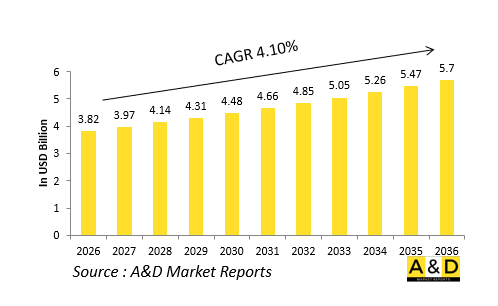
전 세계 방위용 항공기 동체 구조 시장 규모는 2026년 38억 2,000만 달러로 추정되며, 2036년까지 57억 달러에 달할 것으로 예상되며, 2026-2036년 예측 기간 동안 CAGR 4.10%로 성장할 것으로 예상됩니다.
소개
방위용 항공기 동체 구조 시장은 군용 항공기에 필수적인 견고한 기체의 설계, 제조, 통합을 포괄하는 시장입니다. 이 구조물들은 핵심 골격을 형성하고 날개, 엔진, 항공전자, 무기체계를 지지하며 고속 기동, 공중전, 가혹한 환경과 같은 극한의 운용 부하를 견뎌냅니다. 복합재료, 합금, 하이브리드 적층재 등 재료의 발전으로 더 가볍고 견고한 설계가 가능해져 연비, 적재능력, 스텔스 성능이 향상되고 있습니다. 주요 기업으로는 전투기, 폭격기, 수송기, 무인 시스템용 모듈식 동체에 주력하는 주요 항공우주 기업 및 전문 공급업체가 포함됩니다. 시장 성장은 지정학적 긴장 고조, 현대화 프로그램, 뛰어난 생존성을 갖춘 차세대 플랫폼에 대한 수요에 기인합니다. 적층 가공과 스마트 센서의 혁신으로 생산과 유지보수가 더욱 최적화되고 있습니다. 이 부문은 전 세계 군대의 성능, 비용, 신속한 배치 요구의 균형을 맞추면서 국방 전략에서 매우 중요한 역할을 하고 있습니다.
방위용 항공기 동체 구조 시장에서 기술의 영향력
기술의 발전은 방위용 항공기 동체 구조 시장에 큰 영향을 미치고 있으며, 재료 과학과 생산 방식에 혁명을 일으키고 있습니다. 탄소섬유 강화 폴리머와 같은 복합재료는 우수한 강도 대 중량비를 제공하여 구조물의 무게를 줄이는 동시에 내식성 및 스텔스 작전에 도움이 되는 레이더 흡수성을 향상시킵니다. 적층 가공은 복잡한 형상의 형성, 신속한 시제품 제작, 주문형 수리를 가능하게 하며, 리드 타임과 비용을 크게 줄일 수 있습니다. 디지털 트윈과 AI를 활용한 시뮬레이션은 피로 예측, 하중 경로 최적화, 실시간 구조물 건전성 평가를 위한 건강 모니터링 시스템 통합을 실현합니다. 금속과 복합재료를 융합한 하이브리드 구조는 내구성과 유연성을 겸비하여 고응력 영역에 적합합니다. 로봇에 의한 적층 및 레이저 용접을 포함한 조립 공정의 자동화는 정확성과 확장성을 향상시킵니다. 이러한 혁신은 극초음속 설계의 열팽창, 전투기의 방탄과 같은 과제를 해결하고 있습니다. 전반적으로 이러한 기술은 항공기의 기동성, 수명, 작전 수행 능력을 향상시키고 미래 전쟁 시나리오에 대비하여 지속가능하고 적응력이 높은 기체 구조로 시장의 진화를 촉진하고 있습니다.
방위용 항공기 동체 구조 시장의 주요 추진 요인
여러 가지 중요한 촉진요인이 방위용 항공기 동체 구조 시장을 주도하고 있습니다. 지정학적 불안정성과 세계 위협의 증가로 인해 항공기 현대화가 필수적이며, 신형 전투기 프로그램 및 업그레이드에 있어 첨단 동체에 대한 수요를 자극하고 있습니다. 고성능 플랫폼에 대한 예산 재분배로 인해 장갑 성능 저하 없이 항속거리와 체공시간을 연장할 수 있는 경량 구조가 우선시되고 있습니다. 지속가능성에 대한 요구로 인해 환경 규제에 대응하는 재활용 가능한 복합재료와 효율적인 제조가 요구되고 있습니다. 혼란 이후 공급망 복원력을 확보하기 위해 전략 소재의 국내 생산과 조달처 다변화가 강조되고 있습니다. 무인항공기 시스템(UAS)의 채택이 확대됨에 따라 군집 전술 및 장시간 체공 작전에 대응할 수 있는 컴팩트한 모듈형 기체가 요구되고 있습니다. 지향성 에너지 무기와 센서의 통합은 강화된 마운트와 전자기 차폐를 요구합니다. 국제 공동 프로그램은 기술 이전을 촉진하고 혁신을 가속화합니다. 경제적 압박은 디지털 엔지니어링을 통한 비용 효율적인 설계를 촉진하는 한편, 첨단 복합재료 분야의 인력 기술 개발이 성장을 뒷받침하고 있습니다. 이러한 요인들로 인해 우수한 살상 능력과 생존성을 중시하는 역동적인 시장이 형성되고 있습니다.
방위용 항공기 동체 구조 시장 지역별 동향
방위용 항공기 동체 구조 시장의 지역별 동향은 다양한 전략적 우선순위와 산업 역량을 반영하고 있습니다. 북미는 탄탄한 연구개발 생태계를 바탕으로 차세대 전투기를 위한 첨단 복합재료와 스텔스 기술을 독점하고 있습니다. 유럽은 협력 체제를 중시하며, 운송 및 다목적 항공기를 위한 다국적 프로그램에 지속가능한 재료를 통합하고 있습니다. 아시아태평양은 지역적 주도권 확보를 위한 비용 경쟁력 있는 합금과 신속한 생산에 초점을 맞춘 독자적인 개발로 빠르게 성장하고 있습니다.
세계의 방위용 항공기 동체 구조 시장에 대해 조사 분석했으며, 시장에 영향을 미치는 기술, 향후 10년간의 예측, 각 지역별 시장 동향 등의 정보를 전해드립니다.
목차
세계의 방위용 항공기 동체 구조 시장 보고서의 정의
세계의 방위용 항공기 동체 구조 시장 세분화
향후 10년간의 세계 방위용 항공기 동체 구조 시장 분석
세계의 방위용 항공기 동체 구조 시장 예측
지역의 세계 방위용 항공기 동체 구조 시장 동향과 예측
시장 예측과 시나리오 분석
세계의 방위용 항공기 동체 구조 시장 국가 분석
시장 예측과 시나리오 분석
세계의 방위용 항공기 동체 구조 시장의 기회 매트릭스
결론
KSM 26.04.30Global Defense Aircraft Fuselage Structures Market
The Global Defense Aircraft Fuselage Structures Market is estimated at USD 3.82 billion in 2026, projected to grow to USD 5.7 billion by 2036 at a Compound Annual Growth Rate (CAGR) of 4.10% over the forecast period 2026-2036.
Introduction:
The defense aircraft fuselage structures market encompasses the design, manufacturing, and integration of robust airframes essential for military aircraft. These structures form the core skeleton, supporting wings, engines, avionics, and weapon systems while enduring extreme operational stresses like high-speed maneuvers, aerial combat, and harsh environments. Advancements in materials such as composites, alloys, and hybrid laminates drive lighter, stronger designs that enhance fuel efficiency, payload capacity, and stealth capabilities. Key players include major aerospace primes and specialized suppliers focusing on modular fuselages for fighter jets, bombers, transport aircraft, and unmanned systems. Market growth stems from rising geopolitical tensions, modernization programs, and demands for next-generation platforms with superior survivability. Innovations in additive manufacturing and smart sensors further optimize production and maintenance. This sector remains pivotal for national defense strategies, balancing performance, cost, and rapid deployment needs across global militaries.
Technology Impact in Defense Aircraft Fuselage Structures Market
Technological advancements profoundly shape the defense aircraft fuselage structures market, revolutionizing material science and production methods. Composite materials like carbon fiber-reinforced polymers offer superior strength-to-weight ratios, reducing structural mass while improving corrosion resistance and radar absorbency for stealth operations. Additive manufacturing enables complex geometries, rapid prototyping, and on-demand repairs, slashing lead times and costs. Digital twins and AI-driven simulations predict fatigue, optimize load paths, and integrate health monitoring systems for real-time structural integrity assessments. Hybrid metal-composite fusions combine durability with flexibility, ideal for high-stress zones. Automation in assembly, including robotic layup and laser welding, boosts precision and scalability. These innovations address challenges like thermal expansion in hypersonic designs and ballistic protection in combat fuselages. Overall, technology enhances aircraft agility, longevity, and mission readiness, propelling market evolution toward sustainable, adaptable airframes for future warfare scenarios.
Key Drivers in Defense Aircraft Fuselage Structures Market
Several critical drivers propel the defense aircraft fuselage structures market forward. Geopolitical instability and escalating global threats necessitate fleet modernizations, spurring demand for advanced fuselages in new fighter programs and upgrades. Budget reallocations toward high-performance platforms prioritize lightweight structures that extend range and endurance without compromising armor. Sustainability mandates push for recyclable composites and efficient manufacturing to meet environmental regulations. Supply chain resilience, post-disruptions, emphasizes domestic production and diversified sourcing for strategic materials. Rising unmanned aerial systems (UAS) adoption requires compact, modular fuselages for swarming tactics and long-endurance missions. Integration of directed-energy weapons and sensors demands reinforced mounts and electromagnetic shielding. Collaborative international programs foster technology transfers, accelerating innovation. Economic pressures drive cost-effective designs via digital engineering, while workforce upskilling in advanced composites sustains growth. These factors collectively fuel a dynamic market focused on superior lethality and survivability.
Regional Trends in Defense Aircraft Fuselage Structures Market
Regional dynamics in the defense aircraft fuselage structures market reflect diverse strategic priorities and industrial capabilities. North America leads with robust R&D ecosystems, dominating advanced composites and stealth technologies for next-gen fighters. Europe emphasizes collaborative frameworks, integrating sustainable materials across multinational programs for transport and multirole aircraft. Asia-Pacific surges through indigenous development, focusing on cost-competitive alloys and rapid production for regional air superiority. The Middle East invests heavily in upgrade kits and armored fuselages amid security concerns. Emerging markets in Latin America and Africa prioritize rugged, low-maintenance designs for patrol and training roles. Trends include technology localization to reduce import reliance, joint ventures for skill transfer, and adaptation to local climates like desert corrosion resistance. Supply chain shifts promote regional hubs, while export controls shape material flows. This landscape underscores a shift toward self-reliant, tailored solutions aligned with national defense postures.
Key Defense Aircraft Fuselage Structures Market Programs
Prominent programs define the defense aircraft fuselage structures market, showcasing cutting-edge engineering. Next-generation fighter initiatives feature all-composite airframes with integrated stealth shaping and sensor fusion for superior agility. Heavy bomber upgrades incorporate blast-resistant hybrids and modular sections for extended service life. Transport aircraft modernizations emphasize wide-body fuselages with reinforced cargo bays and rapid reconfigurable interiors. Unmanned combat aerial vehicles (UCAVs) pioneer lightweight, attritable designs using automated layup for swarm deployments. Hypersonic platform developments test thermal-protected structures blending ceramics and metals. Key collaborations involve fuselage sections for multirole jets, focusing on interoperability and quick-turn repairs. These programs drive material qualification, testing regimes, and supply chain innovations. Industry consortia advance digital threading from design to sustainment, ensuring scalability. Success hinges on balancing innovation with proven reliability, setting benchmarks for future military aviation structures.
Table of Contents
Global Defense Aircraft Fuselage Structures Market - Table of Contents
Global Defense Aircraft Fuselage Structures Market Report Definition
Global Defense Aircraft Fuselage Structures Market Segmentation
By Region
By Platform
By Structure Type
By Component
By Aircraft Type
Global Defense Aircraft Fuselage Structures Market Analysis for next 10 Years
The 10-year Global Defense Aircraft Fuselage Structures Market analysis would give a detailed overview of Global Defense Aircraft Fuselage Structures Market growth, changing dynamics, technology adoption overviews and the overall market attractiveness is covered in this chapter.
Market Technologies of Global Defense Aircraft Fuselage Structures Market
This segment covers the top 10 technologies that is expected to impact this market and the possible implications these technologies would have on the overall market.
Global Defense Aircraft Fuselage Structures Market Forecast
The 10-year Global Defense Aircraft Fuselage Structures Market forecast of this market is covered in detailed across the segments which are mentioned above.
Regional Global Defense Aircraft Fuselage Structures Market Trends & Forecast
The regional counter drone market trends, drivers, restraints and Challenges of this market, the Political, Economic, Social and Technology aspects are covered in this segment. The market forecast and scenario analysis across regions are also covered in detailed in this segment. The last part of the regional analysis includes profiling of the key companies, supplier landscape and company benchmarking. The current market size is estimated based on the normal scenario.
North America
Drivers, Restraints and Challenges
PEST
Market Forecast & Scenario Analysis
Key Companies
Supplier Tier Landscape
Company Benchmarking
Europe
Middle East
APAC
South America
Country Analysis of Global Defense Aircraft Fuselage Structures Market
This chapter deals with the key defense programs in this market, it also covers the latest news and patents which have been filed in this market. Country level 10 year market forecast and scenario analysis are also covered in this chapter.
US
Defense Programs
Latest News
Patents
Current levels of technology maturation in this market
Market Forecast & Scenario Analysis
Canada
Italy
France
Germany
Netherlands
Belgium
Spain
Sweden
Greece
Australia
South Africa
India
China
Russia
South Korea
Japan
Malaysia
Singapore
Brazil
Opportunity Matrix for Global Defense Aircraft Fuselage Structures Market
The opportunity matrix helps the readers understand the high opportunity segments in this market.
Expert Opinions on Global Defense Aircraft Fuselage Structures Market Report
Hear from our experts their opinion of the possible analysis for this market.
Conclusions
About Aviation and Defense Market Reports


