

|
시장보고서
상품코드
2009455
방위용 항공기 날개 구조 시장(2026-2036년)Global Defense Aircraft Wings Structure Market 2026-2036 |
||||||

세계의 방위용 항공기 날개 구조 시장
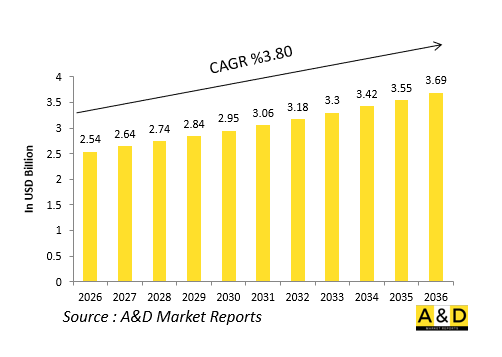
전 세계 방위용 항공기 날개 구조 시장 규모는 2026년에 약 25억 4,000만 달러로 추정되며, 2036년에는 36억 9,000만 달러에 달할 것으로 예상되며, 2026-2036년 예측 기간 동안 CAGR 3.80%로 성장할 것으로 예상됩니다.
소개
세계 방위용 항공기 날개 구조 시장은 군용 항공에서 매우 중요한 고성능 날개의 설계 및 제조에 초점을 맞추고 있습니다. 이러한 구조는 양력, 기동성, 안정성을 제공하고 주대들보, 외판, 리브, 조종익면을 통합하여 공기역학적 하중, G력, 무기의 반동을 견딜 수 있도록 설계되어 있습니다. 탄소복합재, 티타늄 합금, 모핑 기술 등 첨단 소재를 통해 스텔스성, 고속화, 항속거리 연장을 실현하는 슬림한 형상을 구현할 수 있습니다. 공급업체는 Tier 1 시스템 통합업체부터 항공모함 작전을 위한 가변 날개 메커니즘 및 접이식 설계 전문업체에 이르기까지 다양합니다. 시장 모멘텀은 5세대/6세대 전투기, 무인 시스템 및 회전익 항공기 업그레이드를 위한 조달에 의해 발생합니다. 연료 효율성, 페이로드의 다양성, 센서 내장형에 대한 강조가 혁신을 주도하고 있습니다. 이 부문은 제공 전략의 기반이 되고 있으며, 날개는 현대 전장에서 연료 탱크, 전자장비, 컨포멀 안테나를 수용하는 다기능 플랫폼으로 진화하고 있습니다.
방위용 항공기 날개 구조 시장에서 기술의 영향
기술은 방위용 항공기 날개 구조 시장을 변화시키고 성능과 적응성을 향상시키고 있습니다. 탄소섬유 복합재료는 뛰어난 강성과 피로 저항성을 제공하며, 강도를 유지하면서 민첩성을 높이고, 날개를 더 얇고 가볍게 만들 수 있습니다. 스마트 액추에이터와 형상기억합금을 이용한 능동 변형 날개면은 모든 비행 영역에서 최적의 양력을 얻기 위해 실시간으로 조정할 수 있습니다. 적층조형은 복잡한 내부 격자 구조를 제조하고, 경량화 및 신속한 시제품 제작이 가능합니다. 내장된 광섬유와 압전 센서를 통해 구조적 건전성 모니터링이 가능하며, 전투 시 응력에 의한 균열을 예측할 수 있습니다. 블렌디드 윙 디자인은 추진 기능과 스텔스 기능을 통합하여 항력을 최소화합니다. 전산유체역학에 기반한 AI로 최적화된 공기역학 해석은 날개 형상을 정교화하여 극초음속과 슈퍼크루즈 능력을 제공합니다. 적층 및 경화 공정의 자동화를 통해 대량 생산 프로그램에 대응하는 생산 규모를 실현합니다. 이러한 획기적인 기술들은 날개에 작전 효율성과 항공기 수명을 향상시키는 역동적인 시스템으로서 날개에 대한 문제들을 해결해주고, 비행기의 수명을 연장시켜줍니다.
방위용 항공기 날개 구조 시장의 주요 촉진요인
주요 촉진요인으로 인해 위협이 진화하는 가운데 방위용 항공기 날개 구조 시장이 가속화되고 있습니다. 노후화된 항공기의 현대화를 위해서는 더 무거운 무장 및 장시간 체공에 대응할 수 있도록 양력을 강화한 개량형 날개가 요구됩니다. 지정학적 갈등은 다양한 작전에 대응할 수 있는 가변 날개 형상을 갖춘 기계 동력식 멀티 롤 플랫폼에 대한 투자를 촉진하고 있습니다. 지속가능성 목표는 수명주기 동안 배출량을 줄이고, 재활용 가능한 복합재료와 공기역학적 효율을 향상시키는 것을 목표로 하고 있습니다. 공급망의 취약성은 현지 생산 및 내성 재료 조달을 촉진하고 있습니다. 로얄윙 맨드론의 보급에 따라 모체에 통합할 수 있는 컴팩트한 접이식 주익이 요구되고 있습니다. 낮은 가시성에 대한 수요는 레이더 흡수 구조와 톱니 모양의 가장자리를 촉진하고 있습니다. 디지털 엔지니어링 툴은 가상 테스트를 가능하게 하고, 개발 주기를 단축시킵니다. 국제 파트너십은 공동 개발을 촉진하고, 동맹국 간 주요 기술을 공유합니다. 경제적인 요소는 모듈식 설계를 통한 합리적인 가격의 확장성을 강조하고 있습니다. 이 모든 것이 결합되어 분쟁 공역에서의 생존성, 다목적성, 신속한 배치에 중점을 둔 시장을 주도하고 있습니다.
방위용 항공기 날개 구조 시장 지역별 동향
방위용 항공기 날개 구조 시장의 지역적 동향은 전략적 차이를 강조하고 있습니다. 북미는 스텔스 전투기 및 전략 폭격기용 적응형 날개와 복합재 분야에서 혁신을 주도하고 있습니다. 유럽은 가변익 수송기 및 유로파이터 개량에 있어 합작투자를 활용하고 상호운용성을 중시하고 있습니다. 아시아태평양은 지역 순찰 및 항공모함 탑재기용 고 기동성 주익을 개발하여 자국 역량 강화를 추진하고 있습니다.
세계의 방위용 항공기 날개 구조 시장에 대해 조사 분석했으며, 시장에 영향을 미치는 기술, 향후 10년간의 예측, 각 지역별 시장 동향 등의 정보를 전해드립니다.
목차
방위용 항공기 날개 구조 시장 보고서의 정의
방위용 항공기 날개 구조 시장 세분화
향후 10년간 방위용 항공기 날개 구조 시장 분석
세계의 방위용 항공기 날개 구조 시장 예측
지역의 방위용 항공기 날개 구조 시장 동향과 예측
시장 예측과 시나리오 분석
방위용 항공기 날개 구조 시장 국가 분석
시장 예측과 시나리오 분석
방위용 항공기 날개 구조 시장의 기회 매트릭스
결론
KSM 26.04.30Global Defense Aircraft Wings Structure Market
The Global Defense Aircraft Wings Structure Market is estimated at USD 2.54 billion in 2026, projected to grow to USD 3.69 billion by 2036 at a Compound Annual Growth Rate (CAGR) of 3.80% over the forecast period 2026-2036.
Introduction:
The global defense aircraft wings structure market focuses on the engineering and production of high-performance wings critical for military aviation. These structures provide lift, maneuverability, and stability, integrating spars, skins, ribs, and control surfaces to withstand aerodynamic loads, g-forces, and weapon recoil. Advanced materials like carbon composites, titanium alloys, and morphing technologies enable slimmer profiles for stealth, higher speeds, and extended ranges. Suppliers range from tier-one integrators to specialists in variable-sweep mechanisms and foldable designs for carrier operations. Market momentum arises from procurement of fifth- and sixth-generation fighters, unmanned systems, and rotary-wing upgrades. Emphasis on fuel efficiency, payload versatility, and sensor embedding drives innovation. This sector underpins air dominance strategies, with wings evolving into multifunctional platforms housing fuel tanks, electronics, and conformal antennas for modern battlefields.
Technology Impact in Defense Aircraft Wings Structure Market
Technologies are transforming the defense aircraft wings structure market, enhancing performance and adaptability. Carbon fiber composites deliver exceptional stiffness and fatigue resistance, enabling thinner, lighter wings that boost agility without sacrificing strength. Active morphing surfaces, using smart actuators and shape-memory alloys, allow real-time adjustments for optimal lift across flight regimes. Additive manufacturing fabricates intricate internal lattices, reducing weight and enabling rapid iteration. Embedded fiber optics and piezoelectric sensors enable structural health monitoring, predicting cracks from combat stresses. Blended-wing designs integrate propulsion and stealth features, minimizing drag. AI-optimized aerodynamics via computational fluid dynamics refine airfoil shapes for hypersonic and supercruise capabilities. Automation in layup and curing processes scales production for high-volume programs. These breakthroughs address challenges like flutter suppression and ice accretion, positioning wings as dynamic systems that elevate mission effectiveness and aircraft longevity.
Key Drivers in Defense Aircraft Wings Structure Market
Key drivers accelerate the defense aircraft wings structure market amid evolving threats. Modernization of legacy fleets demands upgraded wings with enhanced lift for heavier armaments and extended loiter times. Geostrategic rivalries fuel investments in agile, multirole platforms with variable geometry for diverse missions. Sustainability goals promote recyclable composites and aerodynamic efficiencies to lower lifecycle emissions. Supply chain vulnerabilities spur localized manufacturing and resilient materials sourcing. Proliferation of loyal wingman drones requires compact, foldable wings for mothership integration. Demands for low-observability drive radar-absorbent structures and serrated edges. Digital engineering tools enable virtual testing, compressing development cycles. International partnerships facilitate co-development, sharing wing tech across alliances. Economic factors emphasize affordable scalability through modular designs. Collectively, these propel a market prioritizing survivability, versatility, and rapid deployment in contested airspace.
Regional Trends in Defense Aircraft Wings Structure Market
Regional trends in the defense aircraft wings structure market highlight strategic divergences. North America spearheads innovation in adaptive wings and composites for stealth fighters and strategic bombers. Europe leverages joint ventures for swing-wing transports and eurofighter enhancements, stressing interoperability. Asia-Pacific ramps up indigenous capabilities, developing high-maneuverability wings for regional patrols and carrier-based jets. Middle Eastern nations focus on desert-hardened structures with anti-icing and dust-resistant coatings. In Africa and Latin America, trends favor rugged, cost-effective wings for counter-insurgency and maritime surveillance. Localization efforts build domestic supply chains, reducing foreign dependency. Export-oriented production adapts designs to client specifications, like tropical corrosion resistance. Collaborative R&D hubs emerge, fostering tech transfer. These patterns reflect tailored responses to local threats, budgets, and industrial maturity, shaping a fragmented yet interconnected global ecosystem.
Key Defense Aircraft Wings Structure Market Programs
Landmark programs anchor the defense aircraft wings structure market, pioneering next-era capabilities. Sixth-generation fighter efforts feature folding, adaptive wings with embedded weapons bays for air superiority. Loyal wingman initiatives deploy semi-autonomous drones with lightweight composite spars for teaming with manned jets. Rotary-wing upgrades incorporate rigid rotor blades evolving into advanced wing-like structures for tiltrotor versatility. Hypersonic demonstrator projects test heat-resistant wings using ceramic matrix composites. Multirole bomber refreshes integrate conformal fuel tanks within blended wings for global reach. Carrier aviation programs emphasize reinforced, folding mechanisms for compact storage and high-g launches. These efforts validate morphing tech, digital twins, and automated assembly. Industry teams collaborate on qualification testing for extreme loads. Success metrics include seamless integration with avionics and propulsion, redefining wings as intelligent, mission-reconfigurable components for networked warfare.
Table of Contents
Defense Aircraft Wings Structure Market - Table of Contents
Defense Aircraft Wings Structure Market Report Definition
Defense Aircraft Wings Structure Market Segmentation
By Region
By Platform
By By Material
By Component
By Wing Type
By Technology
Defense Aircraft Wings Structure Market Analysis for next 10 Years
The 10-year Defense Aircraft Wings Structure Market analysis would give a detailed overview of Defense Aircraft Wings Structure Market growth, changing dynamics, technology adoption overviews and the overall market attractiveness is covered in this chapter.
Market Technologies of Defense Aircraft Wings Structure Market
This segment covers the top 10 technologies that is expected to impact this market and the possible implications these technologies would have on the overall market.
Global Defense Aircraft Wings Structure Market Forecast
The 10-year Defense Aircraft Wings Structure Market forecast of this market is covered in detailed across the segments which are mentioned above.
Regional Defense Aircraft Wings Structure Market Trends & Forecast
The regional counter drone market trends, drivers, restraints and Challenges of this market, the Political, Economic, Social and Technology aspects are covered in this segment. The market forecast and scenario analysis across regions are also covered in detailed in this segment. The last part of the regional analysis includes profiling of the key companies, supplier landscape and company benchmarking. The current market size is estimated based on the normal scenario.
North America
Drivers, Restraints and Challenges
PEST
Market Forecast & Scenario Analysis
Key Companies
Supplier Tier Landscape
Company Benchmarking
Europe
Middle East
APAC
South America
Country Analysis of Defense Aircraft Wings Structure Market
This chapter deals with the key defense programs in this market, it also covers the latest news and patents which have been filed in this market. Country level 10 year market forecast and scenario analysis are also covered in this chapter.
US
Defense Programs
Latest News
Patents
Current levels of technology maturation in this market
Market Forecast & Scenario Analysis
Canada
Italy
France
Germany
Netherlands
Belgium
Spain
Sweden
Greece
Australia
South Africa
India
China
Russia
South Korea
Japan
Malaysia
Singapore
Brazil
Opportunity Matrix for Defense Aircraft Wings Structure Market
The opportunity matrix helps the readers understand the high opportunity segments in this market.
Expert Opinions on Defense Aircraft Wings Structure Market Report
Hear from our experts their opinion of the possible analysis for this market.
Conclusions
About Aviation and Defense Market Reports


